


How to Choose Furniture That Grows With Your Family

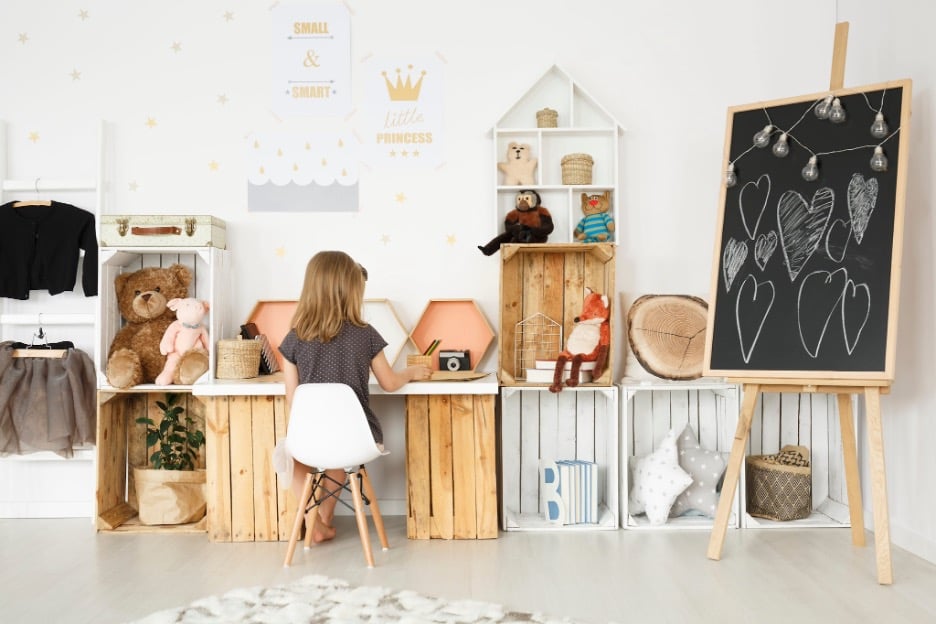
The best furniture for a growing family is not the piece that looks perfect today. It is the piece that can adjust as your kids get older, your space gets used differently, and your needs change year after year. Look for adjustable components, neutral finishes, and simple frames that can be repurposed rather than replaced. Below, we break down exactly what to look for so you can buy furniture once and use it for years, not just seasons.
Why Should You Buy Furniture That Adapts Instead of Furniture That Fits Right Now?
Furniture that only fits your current stage of life often becomes obsolete within a year or two. A crib works for roughly two years before a child outgrows it. A toddler bed suits an even shorter window. Buying adaptable furniture from the start means fewer replacement purchases, less waste, and furniture that keeps earning its place in the room instead of getting swapped out every time a child has a birthday.
Adaptable furniture also tends to hold its value better. A crib that converts into a toddler bed and then a full size bed frame gets used for a decade or more, compared to a crib alone that gets used for two years and then sits in storage or gets sold for a fraction of its original price.
The Real Cost of Buying for Right Now
Parents often underestimate how many pieces they will cycle through if they buy only for the current stage. A typical path looks like this: a crib, then a toddler bed, then a twin bed, then eventually a full or queen frame as a child grows into the teen years. Each swap costs money and creates furniture that has to be sold, donated, or thrown out. Convertible and adjustable pieces cut that cycle down to one or two purchases instead of four or five.
What Makes a Piece of Furniture Truly Adaptable?
Adaptable furniture shares a few specific traits: adjustable height or configuration, hardware that can be reset or removed, and a design simple enough to work in a nursery today and a teenager’s room ten years from now. Look for cribs that convert to toddler beds and then full size frames, desks with adjustable legs, and bookshelves without a fixed theme or overly juvenile design.
Modular systems deserve special attention here. Storage units built from separate cubes or sections let you rearrange or add pieces as space needs change, rather than being stuck with one fixed shape. A bookshelf that starts as a small unit in a nursery can expand into a full wall system by the time a child needs space for books, games, and school supplies.
Bed frames with under bed storage or trundle options also stretch further than a basic frame. What starts as extra storage for diapers and small toys becomes space for out of season clothes, sports gear, or a spot for sleepovers a few years later.
How Do You Choose Furniture Finishes That Won’t Look Outdated?
Neutral, natural, and classic finishes age better than trend driven colors and themes. A light wood tone, white, gray, or a simple matte finish will still look right in a room whether it belongs to a toddler or a teenager. Bright primary colors, cartoon character prints, or trend specific patterns tend to feel dated within a few years and limit how the piece can be reused later.
If a child wants personality and color in their space, and most do, keep that expression in easily changed items instead of permanent furniture. Bedding, wall art, rugs, and removable decals let a room reflect a child’s current interests without locking the actual furniture into one phase of childhood.
One detail that gets overlooked: hardware finish matters as much as the wood or paint color. Brushed nickel, matte black, and simple wood knobs blend into almost any design update down the road, while novelty shaped pulls or bright colored knobs tend to look out of place the moment a room’s style shifts.
What Should You Look for in Kids’ Desks and Study Furniture?
The most useful kids’ desks adjust in height, offer enough surface space for both current and future school needs, and use a simple design that will not look out of place as a child grows older. A fixed height desk sized for a six year old will not work for the same child at twelve, but an adjustable desk or one paired with an adjustable chair extends its usefulness by years.
Surface space matters more than most parents expect. A desk that works for coloring and simple homework at age seven often falls short once a child needs room for a laptop, textbooks, and school supplies at age eleven. Choosing a slightly larger surface early on avoids an unnecessary upgrade later.
Storage built into a desk, such as drawers or shelves, also extends its life. A desk that only offers a flat surface eventually gets replaced by one that also handles supplies and books. Starting with built in storage means one purchase covers both needs from the start.
How Should Shared Kids’ Rooms Be Furnished for Flexibility?

Shared rooms need furniture that can be rearranged easily and does not commit the space to one fixed layout. Bunk beds that separate into two twin frames, modular storage units, and furniture on casters or with lightweight frames all make it easier to reconfigure a shared room as siblings grow, move, or eventually get their own separate spaces.
Bunk beds deserve particular attention if you are furnishing a shared room. Many models are built specifically to separate into two standalone twin beds later, which means the same furniture set works whether you have two young children sharing a room now or two older kids who eventually want separate setups.
A Practical Tip for Shared Spaces
Give each child their own defined storage zone within a shared room, even if the furniture itself is shared or matching. A simple way to do this: assign each child their own dresser, or divide a single dresser’s drawers clearly between two kids. This small structural choice reduces daily friction over belongings and makes the room easier to reorganize as needs change.
How Should You Budget for Furniture That Needs to Last Years, Not Seasons?
Budgeting for adaptable furniture works differently than budgeting for a single purchase. Instead of comparing the sticker price of a convertible crib against a basic crib, compare the total cost across the years each option will actually be used. A convertible crib that costs more upfront but replaces three separate purchases over a decade almost always ends up costing less per year of use than three cheaper, single stage pieces bought separately.
It also helps to separate furniture into two categories when planning a budget: pieces worth investing in because they will be used for years, and pieces that can be inexpensive because they will only serve a short stage. A crib, a dresser, and a desk usually fall into the first category. A changing table topper or a small toy storage bin often falls into the second, since these tend to get phased out quickly regardless of quality.
What Furniture Materials Hold Up Best Over Years of Family Use?
Solid wood, metal frames, and high quality plywood outperform particleboard and MDF over the long run, especially for pieces that get moved, climbed on, or used daily for years. Solid wood in particular can be refinished or repainted down the road, which means a piece can get a fresh look without needing to be replaced.
Metal frame furniture, especially bed frames and desk legs, tends to handle repeated assembly and disassembly better than wood joints, which matters if your family moves or rearranges rooms more than once during a child’s growing years. Metal hardware also tends to hold up better under the wear of drawers and doors being opened and closed thousands of times over several years.
Fabric and cushioned furniture for kids’ spaces should prioritize removable, washable covers over fixed upholstery. Kids’ furniture takes on spills, stains, and general wear at a faster rate than furniture in other parts of the home, and washable covers extend the useful life of a piece by years compared to fixed fabric that cannot be cleaned as thoroughly.
A simple way to test durability before buying: check how the piece is joined together, not just what it is made from. Screwed and bolted joints tend to hold up better over years of repeated stress than glued joints alone, since they can usually be tightened again as a piece ages. This matters most on bed frames, bunk beds, and any furniture that gets climbed on or moved often.
Frequently Asked Questions
At what age should you stop buying nursery specific furniture?
Most families find it makes sense to move away from strictly nursery themed furniture between ages three and five, once a child transitions out of a crib and into a bed. Choosing neutral, adaptable pieces from the start avoids this transition altogether, since the same furniture can carry through the nursery years and beyond.
Is it worth spending more on adaptable furniture upfront?
In most cases, yes. A higher upfront cost for a convertible crib, adjustable desk, or modular storage system is usually less than the combined cost of buying separate pieces for each stage of a child’s growth. The upfront investment pays off through fewer total purchases over time.
How do you furnish a room for two children with different ages?
Focus on modular and adjustable pieces rather than matching sets built for one age group. Bunk beds that separate into twin frames, adjustable height desks, and dressers with clearly divided storage all help a shared room work for children at different stages without needing a full furniture overhaul every time one child outgrows a piece.
What is the most common mistake parents make when furnishing a child’s room?
The most common mistake is buying furniture based on a child’s current age or interests rather than how the piece can adapt over time. A crib without conversion options, a themed desk, or brightly colored furniture tied to one age group often needs replacing far sooner than a neutral, adjustable alternative.
Can furniture really last from toddler years through the teen years?
Yes, particularly convertible cribs that become toddler and full size beds, adjustable desks, and modular storage systems. The key is choosing simple designs and solid construction from the start rather than furniture built around a specific age or trend.
Final Thoughts
Furnishing a child’s room does not need to mean buying new pieces every few years. Choosing adjustable frames, neutral finishes, and solid materials from the start lets one investment carry a family through nursery years, school years, and the teen years that follow. The furniture that grows with your family will always outperform the furniture that only fits right now.