

How to Furnish New Home: A Calm, Practical Guide


Furnishing a new house is one of life's most exciting projects, but it can also feel a little daunting. You are in complete control of this process. The key is to break it down into manageable steps: budgeting and planning first, then finding your personal style, figuring out which pieces you need most, and finally, empowering yourself with the knowledge to choose furniture that will last.
If you tackle it room by room instead of trying to furnish the entire house at once, the whole process becomes way less overwhelming and a lot more fun. You’ve got this.
Turning Your Blank Canvas into a Home You Love
There's nothing quite like staring at a set of empty rooms. It’s a mix of pure excitement and maybe a little bit of "where do I even start?" You’ve got a blank canvas, and this is your chance to create a space that’s 100% you. Think of this guide as your creative partner, here to provide the tools and insights you need to make smart choices that fit your lifestyle and personality.
Forget any pressure you might feel to have a "perfectly decorated" home overnight. The most inviting and interesting homes are built over time, filled with pieces that mean something. This is about more than just filling space—it's about creating your own personal sanctuary, one thoughtful decision at a time.
Your Home, Your Story
Bringing a new home to life is a huge milestone. When you start shopping, you’re becoming part of a massive global community. The home furniture market is valued at roughly $646 billion worldwide, and it's only getting bigger. You can read more about home furniture market trends to see how individual choices like yours shape this dynamic industry.
This guide will give you a clear plan to navigate it all. You'll learn how to:
- Create a Realistic Budget: We'll show you how to allocate your money smartly, so you can invest in quality pieces that really matter.
- Define Your Unique Style: Go beyond the latest trends and discover a look that feels genuinely like you.
- Make Smart Furniture Choices: Learn what to look for in pieces that will stand the test of time and bring you comfort for years.
The goal isn't perfection; it's personality. By taking a deliberate and creative approach, you can turn those empty rooms into a home that truly reflects who you are and supports the life you want to live.
Ready to find the foundational pieces for your new place? Explore our curated selection of quality home furnishings to get started on your journey.
Create Your Furnishing Game Plan Before You Shop
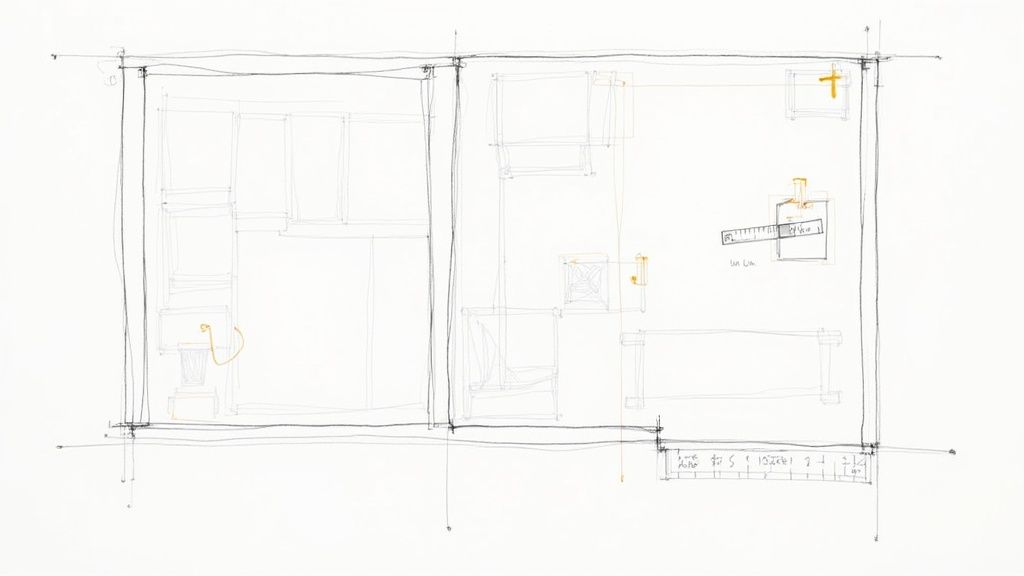
Before you fall in love with a sofa online or start pinning dream living rooms, the most important work happens right in your empty space. All you need is a notepad and a tape measure. Creating a solid game plan is the secret to furnishing a home with confidence, equipping you to avoid costly mistakes and that sinking feeling of buyer's remorse.
Think of this as your strategic blueprint—for both your wallet and your floor space. Without it, even the most beautiful furniture can feel completely wrong. A plan turns what can be an overwhelming task into a series of smart, intentional decisions that you control.
Map Your Financial Blueprint
Let’s talk numbers first. A realistic budget isn't about limiting your creativity; it's about giving you the power to channel it effectively. The average cost to furnish a home can swing wildly, anywhere from $10,000 to $30,000 and beyond, so knowing what you're comfortable spending is non-negotiable.
Don't just land on a single number. Break it down to give yourself real clarity:
- Big-Ticket Items: Start by listing the anchors for each room—the sofa, the bed, the dining table. These will naturally claim the biggest slice of your budget.
- Secondary Pieces: Next, account for things like coffee tables, nightstands, bookshelves, and accent chairs.
- Hidden Costs: This is where you can get tripped up. Always factor in delivery fees, taxes, and potential assembly costs. I also recommend a contingency fund of about 10% for those unexpected finds you just can't pass up.
This detailed financial map helps you invest in quality where it matters most, like on a durable, comfortable sofa that will last your family for years.
Master Your Space with a Floor Plan
I've seen it a hundred times: the single biggest mistake new homeowners make is buying furniture that doesn't fit. It's either way too big, swallowing the room whole, or so small it looks like it's floating in an empty sea. A simple floor plan prevents this heartbreak.
You don’t need to be an architect. A rough sketch on graph paper is all it takes to become the master of your domain.
First, measure the room’s dimensions. Then, mark all the non-negotiables:
- Doors and which way they swing open
- Windows, including how high they are from the floor
- Electrical outlets, light switches, and vents
- Fireplaces, radiators, or any other fixed features
A huge part of this is figuring out how to plan a room layout that creates a natural flow for walking and talking. This simple act of measuring and sketching is what turns a wishful shopper into a strategic planner.
With your budget set and your floor plan in hand, you've created a powerful roadmap. This preparation is your best tool for making smart, confident purchases that will bring your vision to life.
Once you have this blueprint, you're truly ready for the fun, creative part of the process. For more tips on this crucial stage, check out our complete guide on how to shop for furniture smartly. Your plan is the key to unlocking a home that’s not just beautiful, but perfectly functional too.
Discover Your Personal Interior Design Style
How do you want to feel when you walk through your front door? Should it be a wave of calm, a jolt of creative energy, or the warm embrace of a cozy retreat? Your home's interior design style isn't just about what it looks like; it's the visual language that creates that feeling. This is where the real fun begins—you get to play detective and figure out what makes you tick.
Think of it this way: you're telling a story, and every piece of furniture is a character. Pinpointing your style now gives you a roadmap for every single purchase, ensuring everything works together. This simple step is the key to avoiding that all-too-common pitfall of ending up with a collection of beautiful, but totally mismatched, items.
Find Inspiration Everywhere
Sure, Pinterest and design magazines are fantastic, but don't stop there. Inspiration is all around you. Think about that boutique hotel lobby you loved, the cozy corner in your favorite coffee shop, or even a landscape from a memorable vacation.
Start a folder—digital or physical—and just start saving images that grab you. Don't analyze it, just collect. After a week or so, you'll start to see patterns emerge.
- Recurring Colors: Are you always pinning rooms with earthy neutrals, deep jewel tones, or light, breezy pastels?
- Textures and Materials: Is your collection full of natural wood and linen, or do you lean toward sleek metals and plush velvets?
- Furniture Shapes: Do you gravitate towards the clean, sharp lines of modern furniture, or the soft curves and ornate details of more traditional pieces?
These clues are the building blocks of your style, whether it turns out to be the uncluttered vibe of modern design or the warm, layered look of a bohemian space.
Build Your Visual Blueprint
With a collection of images in hand, it's time to build a mood board. This is more than just a collage; it's a powerful tool that turns those fuzzy ideas into a concrete plan. Use a physical corkboard or a digital tool to pull all your favorite elements into one cohesive picture.
Your mood board is your strategic guide. It solidifies your color palette and helps you balance materials. For example, you might realize you absolutely love the combination of a deep green velvet sofa, warm walnut wood, and just a touch of brushed brass. Now you have a specific, actionable formula to take with you when you shop.
Your mood board is your personal design filter. Before you buy anything, hold it up (mentally or literally) against your board. Does it fit the vibe? Does it support the feeling you're trying to create? If not, you can walk away confidently, knowing it wasn't right for your home's story.
This desire for a personalized home is a huge driver in the design world. The entire home furnishing market—which is much more than just furniture—hit a value of USD 1,018 billion in 2024 and is still climbing. People want homes that are not just functional, but are deeply personal expressions of who they are. You can read more about this in this home furnishing market report.
Your Style, Your Sanctuary
Taking the time to define your style empowers you to make decisions with confidence and curate a home that is a true reflection of you. For a deeper dive into this creative process, check out our guide on how to start the interior design process for a room.
Ready to see how your style could come to life? The design experts at Miller Waldrop are pros at turning a mood board into a beautifully furnished reality. We’re here to guide you, offering the tools and expertise needed to create the perfect backdrop for your life.
How to Prioritize Furniture Purchases for Your New Home
Let's be honest: furnishing an entire home in one massive shopping spree is a fantasy for most of us. And that's actually a good thing. A slower, more deliberate approach is not only better for your wallet, but it almost always leads to a home that feels more thoughtfully put together.
When you prioritize, you take the pressure off. You give yourself time to live in the space and truly understand how you move, relax, and entertain within its walls. This isn't about just filling rooms; it's about building a home at a comfortable pace.
Start With the Day-to-Day Essentials
Your first round of purchases should be all about pure function. These are the non-negotiables, the pieces that make a house truly livable from the moment you move in. Before you even think about a decorative throw pillow, you need to cover the basics of rest, relaxation, and meals.
Focus your initial budget on these three key areas:
- A Place to Sleep: A quality mattress and a solid bed frame are your undisputed top priorities. Good sleep is everything, especially during the chaos of a move.
- A Place to Sit: After a long day of unpacking, you'll need somewhere comfortable to crash. A sofa or the main seating for your living room is essential.
- A Place for Meals: Even if it’s just a small table and two chairs, having a dedicated spot to eat instantly makes a new house feel like a home.
Think of these as the foundational pillars. Everything else you buy will be built around them. Once these are in place, your immediate comfort is secured, and you can plan your next steps with a clear head.
This simple three-step infographic can help you map out your vision as you get started.
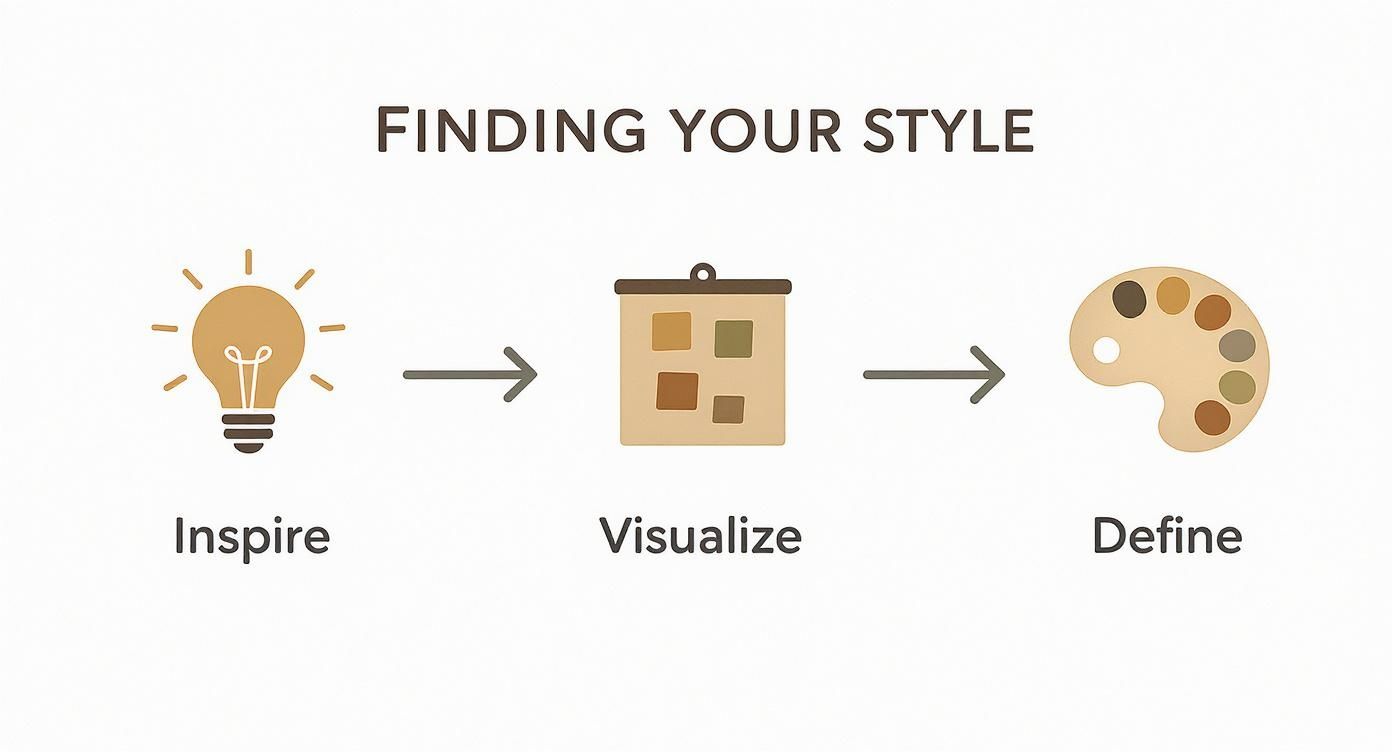
Moving through Inspire, Visualize, and Define is the perfect roadmap to turn your broad ideas into a concrete shopping list.
Layer in Function and Form
Once your core needs are met, you can move on to the second wave of furniture. This is where you start adding pieces that make life easier and begin to define the personality of each room. These items are important, but you can live without them for a few weeks (or even months) if you need to.
This next layer usually includes:
- Living Room Supports: Think coffee tables, side tables, and a media console for your TV.
- Bedroom Complements: Nightstands are a must for lamps and books, and a dresser is crucial for clothing storage.
- Dining Area Extras: If space allows, a sideboard or buffet for storing dinnerware is a game-changer.
- Smart Storage: Bookshelves or other storage units are key to keeping the inevitable clutter under control.
This stage is all about filling in the functional gaps. For example, finding the perfect Artisan Crafted Oak Dining Table at this point can become the anchor piece that sets the tone for your entire dining space for years to come.
To help visualize this phased approach, here’s a simple plan for prioritizing your furniture purchases.
Essential Furniture Prioritization Plan
| Priority Phase | Living Room | Bedroom | Dining Area |
|---|---|---|---|
| Phase 1: The Essentials | Sofa or Sectional | Mattress & Bed Frame | Small Table & Chairs |
| Phase 2: Function & Support | Coffee Table & Media Console | Dresser & Nightstands | Additional Chairs or Bench |
| Phase 3: Personality & Polish | Area Rug, Lamps & Side Tables | Mirror, Bench & Accent Chair | Sideboard & Wall Art |
This table acts as a simple guide. You can tackle one room at a time or mix and match from each phase as your budget and needs dictate. The goal is to build your home methodically, not all at once.
Infuse Personality with the Finishing Touches
Now for the fun part. With the functional foundation firmly in place, you can finally focus on the elements that truly make the space yours. These are the layers that inject color, texture, and warmth into your home.
This is where that mood board you created really comes to life. The rugs, art, and lighting you choose are the final brushstrokes that complete the picture and tell your unique story.
Consider adding these elements gradually as you find pieces you truly love:
- Area Rugs: A great rug is one of the fastest ways to define a zone and add softness underfoot.
- Lighting: Layering your light sources with floor lamps and table lamps creates ambiance and a cozy mood.
- Window Treatments: Curtains or blinds offer privacy but also have a massive impact on a room's overall look.
- Art and Decor: This is your chance to shine! Express yourself with wall art, photos, plants, and objects that mean something to you.
By breaking down how to furnish your new home into these manageable stages, you turn what feels like a monumental task into an exciting creative journey.
If you’d like a partner to help you navigate these choices, the design experts at Miller Waldrop are here. Schedule a design consultation with us, and let’s start creating the home you’ve always wanted, one perfect piece at a time.
How to Choose High-Quality Furniture That Lasts
Alright, you've got your floor plan and a vision. Now comes the fun part—the shopping. This is where you shift from planner to a savvy buyer, learning to spot the difference between furniture that just looks good and furniture that’s built for the beautiful, messy reality of daily life. Furnishing a home is a serious investment, and you deserve pieces that will stick around for years, not just a season.
Arming yourself with a little know-how completely changes the game. You'll go from just browsing to confidently curating your space, able to spot the small signs of quality that most people miss.
How to Choose the Perfect Sofa for Your Family's Needs
Think of your sofa as the heart of your living room. It’s command central for movie nights, long conversations, and quiet mornings with a cup of coffee. It's also one of your biggest furniture investments, so it absolutely has to be up to the job.
So, how do you pick a winner? Here's how you can choose the perfect sofa for your family's needs by checking three key things before you even think about the color.
-
The Frame: Get straight to the point and ask what the frame is made of. You want to hear the words "kiln-dried hardwood." This process removes moisture from the wood, which is crucial for preventing the warping and cracking that can doom a lesser sofa over time. It’s the gold standard for a reason.
-
The Cushions: What’s inside matters. Ask about the cushion filling and look for high-density foam. This is what gives you that supportive, comfortable feel and, more importantly, keeps the cushions from developing those sad, permanent butt-dents after a few months of use.
-
The Fabric: If you have kids, pets, or just enjoy a glass of red wine on the couch, fabric durability is everything. Ask about the rub count (sometimes called the Martindale test). Anything over 20,000 is fantastic for a busy household and means the fabric can stand up to serious wear and tear.
Focus on these three components, and you’ll have the power to find a sofa that’s not just a pretty face but a true workhorse for your home.
Decoding Materials for Case Goods
"Case goods" is just the industry term for all the hard furniture in your home—dining tables, dressers, bookshelves, you name it. The material they're made from is the single biggest factor in how they'll look, last, and what they'll cost.
- Solid Wood: This is the top of the line. It's strong, timeless, and forgiving. Pieces made from solid oak, walnut, or maple can literally last for generations, and if they get scratched or nicked, you can always sand and refinish them.
- Veneers: Don't let the word fool you—high-quality veneers are an excellent choice. A thin layer of beautiful hardwood is bonded to a stable core (like MDF or plywood). This clever technique prevents the warping that solid wood can sometimes suffer from and makes stunning wood grains much more accessible.
- Engineered Wood (MDF/Particleboard): This is your budget-friendly option. While it has its place for less-used items or as a temporary fix, it’s not as durable and is especially vulnerable to water damage.
Real craftsmanship lives in the details. When you’re looking at a dining table or a dresser, check out how it’s put together. If you see mortise-and-tenon or dovetail joints, you’re looking at a well-made piece built to handle decades of family dinners and holiday gatherings.
It’s this kind of construction you’ll find in pieces like our Artisan Crafted Oak Dining Table, where traditional methods ensure it’s destined to become a family heirloom.
Global Craftsmanship and Modern Tastes
When you're shopping, you’re plugging into a global network of artisans. It’s fascinating how different regions influence design. The Asia-Pacific region, for example, now produces over half of the world's furniture. That market is set to grow to nearly USD 368 billion by 2034, largely thanks to a younger generation that loves mixing timeless craftsmanship with clean, modern lines. If you're curious, you can read more about these evolving global furniture patterns and see what's shaping the furniture world.
Finding Pieces That Perfectly Fit
Sometimes, the perfect piece simply doesn’t exist on a showroom floor. For those tricky spaces or when you have a specific vision in mind, exploring custom furniture solutions can be a game-changer. It's the ideal route for oddly shaped rooms, built-ins, or when you just can't find an off-the-shelf option that feels right.
At the end of the day, choosing quality furniture is about making smart decisions that fit your real life. It’s about building a collection of pieces that don’t just fill a room but serve your family well for years to come.
At Miller Waldrop, we want to give you the knowledge to make the best choices for your home. Our team is here to be your guide, helping you spot quality construction and find pieces you'll love for a lifetime. Visit our showroom and let's find the foundational pieces that will turn your new house into a home.
Arranging Furniture and Adding the Finishing Touches
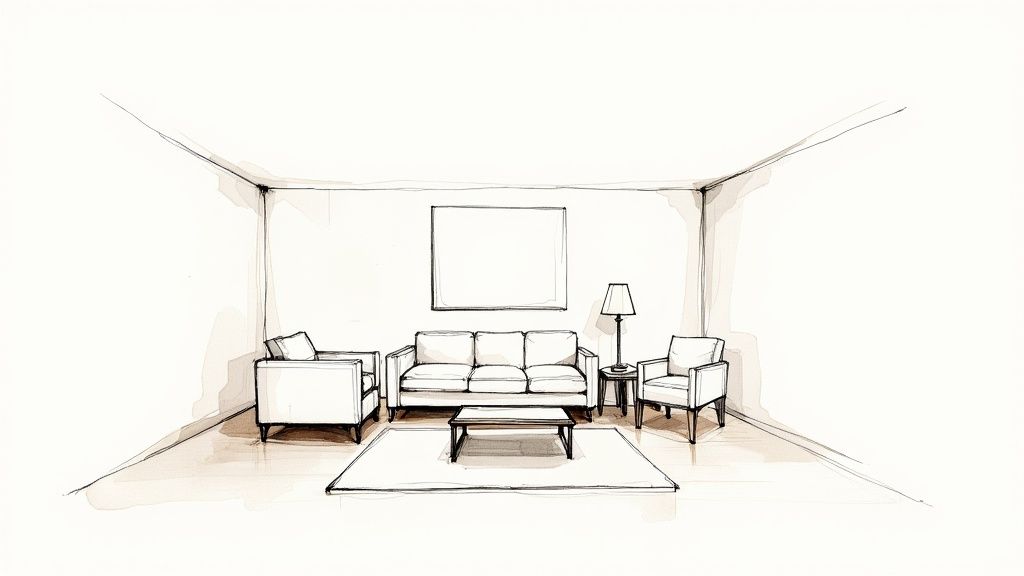
You've made it through the planning, budgeting, and shopping. Now for the fun part—watching your vision come to life. This is where a house full of boxes and new furniture starts to feel like home. It’s about more than just filling a space; it's about arranging everything to create a layout that’s both beautiful and practical for your real life.
The trick is to think like a designer, always keeping flow, balance, and purpose in mind. Every room should have a clear job, whether that’s sparking conversation in the living room or encouraging a peaceful night's sleep in the bedroom.
Create Layouts That Flow and Function
Before you start pushing heavy furniture around, take a moment to identify the room’s natural focal point. It might be a beautiful fireplace, a big window with a great view, or even a piece of art you love. Arrange your largest seating pieces around this feature to anchor the space and give it an immediate sense of direction.
Next, map out the traffic flow. You need to be able to move through the room without bumping into things or doing a clumsy shuffle. As a general rule, try to leave at least 30 to 36 inches for main walkways.
Finally, think about creating conversation zones. In your living room, for instance, seating should be close enough that people can chat easily without raising their voices. For more specific layout ideas, check out our guide on how to arrange living room furniture for some expert tips.
Pro Tip: Aim for about 18 inches between your sofa and coffee table. It’s the Goldilocs distance—close enough to put your drink down, but with plenty of legroom to move freely.
Add Layers of Personality and Warmth
Once the main furniture is in place, it’s time to add the final layers that make the space uniquely yours. These are the details that introduce warmth, texture, and character into your home.
I like to think about it in three layers:
- Textiles: An area rug can completely transform a room by defining a seating area. Make sure it's large enough so at least the front legs of your sofa and chairs sit on it. Then, bring in throw pillows and blankets for pops of color and a cozy feel.
- Lighting: Don't just rely on that single overhead light. A well-designed room uses multiple light sources at different levels. Mix ambient (overall), task (for reading or cooking), and accent (to highlight artwork) lighting with a combination of floor lamps and table lamps.
- Decor and Art: This is where you get to tell your story. A good rule of thumb is to hang art at eye level, which is usually 57 to 60 inches from the floor to the center of the piece. When styling shelves or tables, group smaller items in odd numbers (like threes or fives) and add a few plants to bring in some life.
Remember, this final stage isn’t a one-and-done task. The most beautiful and authentic homes evolve over time as you collect things you truly love. If you feel stuck or want a professional eye to pull it all together, our design experts are here to help. Explore our design services and let's create a home that feels like you.
Answering Your Top Questions About Furnishing a New Home
Even the best-laid plans come with questions, and when it comes to furnishing a whole new home, it's easy to feel a bit overwhelmed. You're definitely not alone in wondering about the nitty-gritty details. Let’s walk through some of the most common questions we hear from people just starting out.
How Much Should I Actually Budget for Furniture?
You might have seen advice suggesting you budget 10-50% of your home's value, but honestly, that's a huge range and not very practical for most of us. A much better way to go about it is to build your budget from the ground up, based on what you actually need.
Start by making a simple list: 'must-haves' versus 'nice-to-haves.' Research what those absolute essentials cost to give yourself a realistic starting point. This puts you in the driver's seat. You can then create a phased plan, focusing your budget on a great bed and a comfy sofa right now, and adding other pieces as your finances allow. No pressure to buy everything at once.
What Pieces of Furniture Should I Buy First?
Think about your daily comfort first. The very first thing you should invest in is a high-quality mattress and a sturdy bed frame. A good night's sleep is priceless, especially when you're dealing with the chaos of moving.
After that, turn your attention to the living room. A comfortable, well-made sofa is key. It's the spot where you'll unwind, connect, and start to feel settled. Once you have these two foundational pieces, your new house will start to feel like a home almost immediately.
The biggest mistake I see new homeowners make is rushing to buy everything at once without a floor plan. This almost always results in furniture that's too big, too small, or just doesn't work with the flow of the room.
Another common pitfall is getting the scale wrong—always measure your room and the furniture before you buy. And please, don't skimp on the high-traffic items. Investing in a durable sofa and bed will save you a lot of headaches and money down the road.
At Miller Waldrop Furniture & Decor, we see you as the true designer of your home. Our job is to give you the expert guidance and quality pieces you need to make it happen. Start building your foundation by exploring our collection of Artisan Crafted Oak Dining Tables and other pieces designed to last a lifetime.