

Decorating Tuscan Style: A Guide for Texas & NM Homes

You've probably seen a Tuscan room you loved, then looked around your own home in Lubbock, Hobbs, or Ruidoso Downs and thought, “I like that warmth, but I don't want my house to feel dark, crowded, or stuck in 2004.”
That tension is real. Decorating Tuscan style in West Texas and Southeastern New Mexico takes restraint. Our light is brighter, our air is drier, and many of our homes need more breathing room than the old heavy version of Tuscan design allows. The good news is that the heart of the style still works beautifully here when you choose the right finishes, simplify the layers, and focus on craftsmanship instead of clichés.
Embracing the Soul of Tuscany in Your Home
A homeowner once described her goal to me this way: she didn't want a themed house. She wanted rooms that felt grounded, welcoming, and lived in. That's the right starting point for Tuscan design.
Tuscan style isn't about fake grape vines, overloaded shelves, or dark sponge-painted walls. It comes from a long tradition of making practical things beautifully. The style traces back to a documented craftsmanship heritage stretching to 1290, when the Guild of Legnaiuoli, the master woodworkers of Florence, was recorded. That 700+ year tradition of refined woodworking and local materials is part of what makes Tuscan design endure in Western furniture history, as noted in this history of Tuscan craftsmanship and design.
What the style is really trying to do
At its best, Tuscan design creates comfort through substance. A wood table should feel like it belongs there. A ceramic lamp should add quiet texture, not compete for attention. Upholstery should invite people to sit down and stay awhile.
That matters in our region because homes here work hard. They host holidays, weeknight dinners, sports bags by the door, and plenty of dust and sunlight. A good Tuscan room doesn't fight that life. It supports it.
Practical rule: If a piece looks better untouched than used, it probably isn't right for a real Tuscan-inspired home.
The emotional center of the style is warmth, but not fussiness. That's why I often point people toward ideas about mastering an inviting home atmosphere. The strongest rooms don't rely on one dramatic feature. They build comfort through texture, scale, and materials that age well.
What works in Texas and New Mexico
The homes that carry Tuscan style best here usually share a few traits:
- They value patina over perfection. Slight variation in wood tone, handmade pottery, and natural stone all help.
- They keep the palette warm but edited. Cream, ochre, olive, clay, and soft brown do more than a dozen competing shades.
- They choose fewer, better pieces. One substantial dining table does more for the room than six small decorative objects.
- They avoid theatrical “Old World” gestures. Faux murals, over-carved furniture, and heavy drapery tend to overwhelm local homes.
The soul of Tuscany translates beautifully when you treat it as a philosophy of lasting materials and everyday hospitality. That approach feels timeless. It also makes better decorating decisions because you stop chasing the surface version of the style and start building a home that feels steady, warm, and honest.
The Tuscan Foundation Colors Textures and Materials
If the bones are wrong, the room won't feel Tuscan no matter how many accessories you add. Start with walls, flooring, wood tones, and upholstery. Those are the elements that carry the style.

Start with the lightest layer
In bright, arid homes, walls should reflect light instead of swallowing it. For an authentic finish, smooth lime wash plasters offer 95% humidity resistance compared with a 40% failure rate for faux finishes in climates like Texas and New Mexico, according to this guide to Tuscan decor materials and color benchmarks.
The same source recommends warm whites and ochre in the 70 to 80% Light Reflectance Value range for stronger light reflection, and keeping terracotta to no more than 15% of surfaces so the room doesn't feel visually heavy.
That advice lines up with what works in local homes. Warm white walls let wood, stone, leather, linen, and iron show up clearly. They also keep the space from turning muddy by late afternoon.
Use color like seasoning
Tuscan color is earthy, but it's controlled. Good rooms don't cover every surface in rust, gold, and brown.
A better mix looks like this:
| Element | Best direction |
|---|---|
| Walls | Warm white, creamy plaster, soft ochre |
| Large upholstery | Sand, flax, muted olive, warm taupe |
| Accent color | Terracotta, clay, weathered green |
| Wood tones | Medium to deep natural wood, not orange-heavy stain |
| Metal | Black iron, aged bronze, subdued finishes |
The room should feel sun-washed, not sepia-toned.
If you're choosing sofas or dining chairs, fabric matters as much as color. This guide to choosing upholstery fabric for real-life use is useful because Tuscan rooms need tactile materials that can also stand up to family life.
Build texture in layers
Tuscan interiors need contrast. Smooth plaster next to rough stone. Matte wood next to soft linen. Iron beside ceramic. Without that push and pull, the room falls flat.
Use this sequence when you're layering:
Walls first
Keep them soft, matte, and warm. Lime wash or plaster-like finishes give depth without fake antiquing.Flooring next
Terracotta, stone, wood, or a rug that suggests those tones works well. If you're exploring outdoor continuity or hardscape inspiration, natural stone solutions for landscaping projects can help you study the right limestone color family and surface character.Wood surfaces after that
Dining tables, consoles, and occasional pieces should feel substantial. Avoid glossy red stains that read more formal than rustic.Soft goods last
Linen, cotton, wool, and woven textures keep the room relaxed. Save patterned fabrics for small doses.
Materials that feel authentic
Some materials almost always help. Others almost always date the room.
Usually right
- Plaster-like walls
- Travertine or stone accents
- Terracotta notes
- Oak, chestnut-like, or weathered wood finishes
- Ceramics and handmade-looking pottery
- Wrought iron used sparingly
Usually wrong
- Heavy faux finishes
- Overly shiny tile with “Tuscan” motifs
- Brocade everywhere
- Mass-produced vineyard décor
- Too many distressed surfaces in one room
The strongest Tuscan foundation feels natural before it feels decorative. That's the difference between a room that ages well and one you're ready to redo in a year.
Choosing Your Tuscan Inspired Furniture
Furniture carries more of this style than paint ever will. If you choose the right table, bed, cabinet, and seating, the room already feels grounded before you add a single accessory.
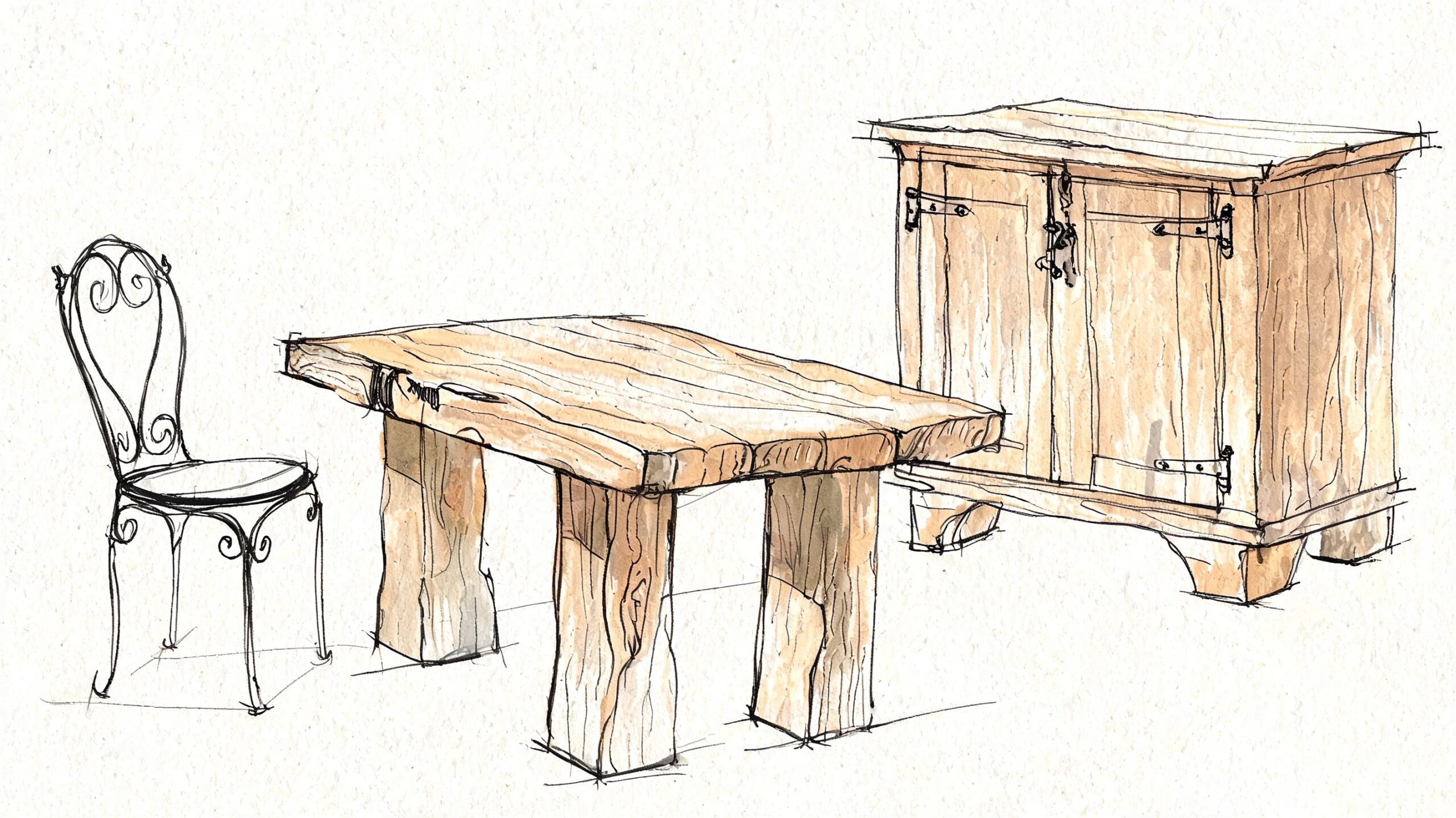
Tuscan furniture grew out of conditions shaped by climate and practical building traditions. Tuscany gets about 2,300 hours of sunshine per year, and that environment helped shape the use of local materials such as oak, elm, chestnut, and terracotta, turning practical construction elements into hallmarks of the style, as described in this history of Tuscan kitchen and architectural design.
What to look for in anchor pieces
A Tuscan-inspired room needs a few pieces with visual weight, but not every piece should be heavy. That's where people go wrong.
Choose furniture that has:
- Simple, strong silhouettes instead of excessive carving
- Visible wood grain or natural finish variation
- Matte or low-sheen surfaces
- Legs, stretchers, and frames that feel sturdy
- Details that look crafted, not stamped out
A farmhouse dining table is one of the best anchors for this style. So is a substantial console behind a sofa, a rustic cabinet in the dining room, or a bed with iron or wood presence.
Where people overspend and where they shouldn't
Don't spend the bulk of your budget on novelty pieces. Spend it on the furniture you touch every day.
That usually means:
| Worth investing in | Easier to save on |
|---|---|
| Dining table | Small decorative pottery |
| Sofa or sectional | Temporary accent pillows |
| Bed frame | Trend-driven wall art |
| Nightstands or storage pieces | Seasonal accessories |
A Tuscan room looks expensive when the wood furniture is right. It looks forced when the budget went to décor and the foundation pieces were an afterthought.
Beds, tables, and seating that make the style believable
Bedrooms are a great example. An iron bed can bring in the European note people want, but it still needs clean lines. If you like that look, browse black iron beds for examples of the kind of frame that can support a Tuscan mood without becoming ornate.
For living spaces, seating should soften the architecture. If you go with a wood-heavy coffee table, keep the sofa structured and comfortable. If you choose a rustic console, let the accent chairs be lighter in profile.
A few guiding pairings work especially well:
- Wood table + linen-upholstered chairs
- Iron bed + soft neutral bedding
- Rustic cabinet + simple lamp and pottery
- Leather chair + woven rug
- Thick-top console + minimal art
What doesn't work
A room full of oversized carved furniture often feels oppressive in local homes, especially when ceilings aren't especially tall. Matching sets can also flatten the look.
Instead, let the room feel collected. Use one dominant wood finish, one secondary material such as iron or stone, and upholstery that quiets the whole scheme down. Tuscan style needs substance, but it also needs editing. The pieces should feel settled, not staged.
A Room by Room Tuscan Transformation
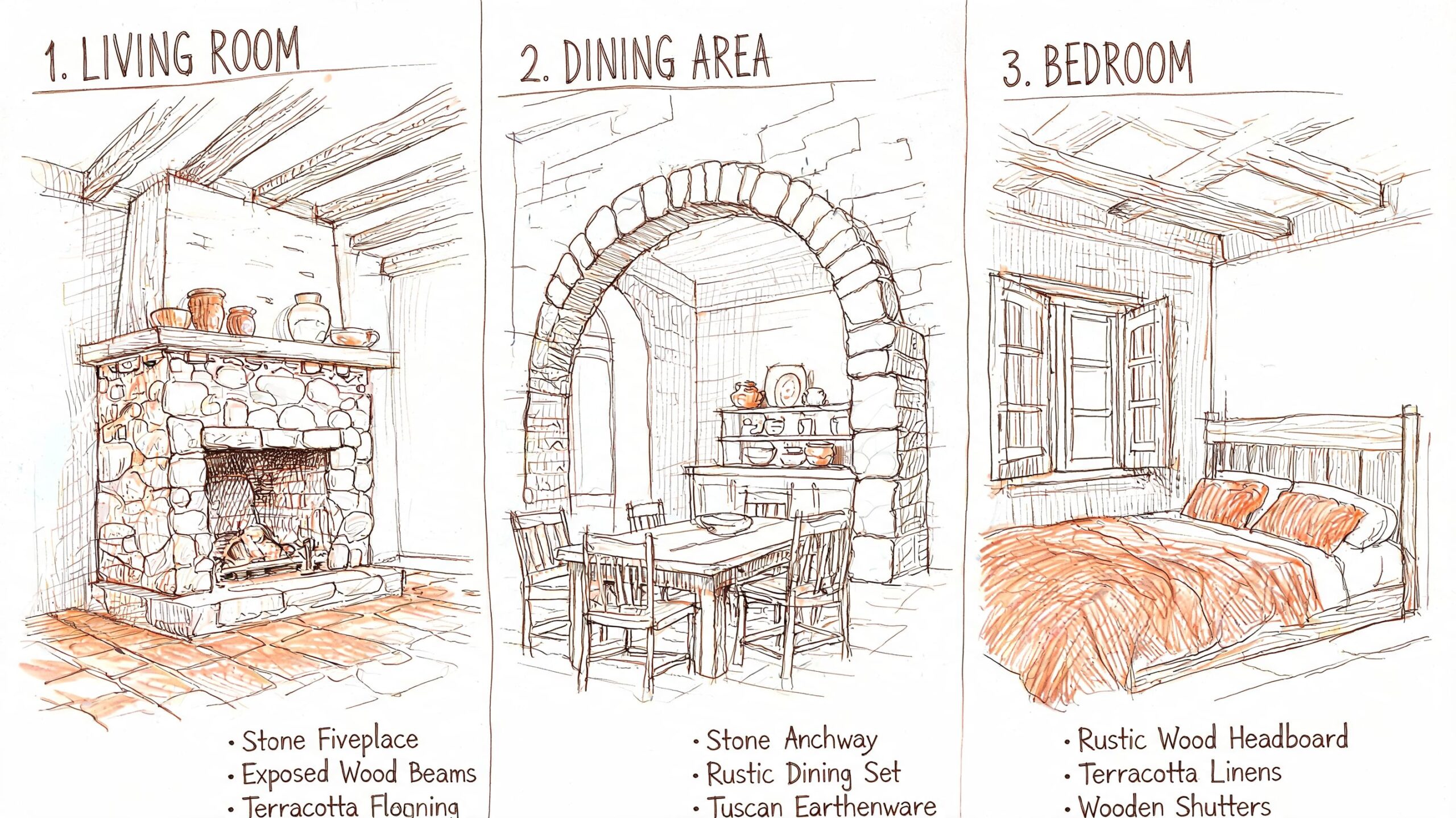
Tuscan style becomes convincing when each room solves a real need. The living room should encourage people to gather. The dining room should support long meals and easy hosting. The bedroom should feel restorative, not just rustic.
The living room
Start with the seating plan, not the accessories. Tuscan-inspired living rooms work best when chairs and sofas face each other or share a clear focal point. That focal point might be a fireplace, a large coffee table, a console with art above it, or a window with a strong view.
Keep the palette relaxed. A warm neutral sofa, a wood table with texture, and a woven or wool rug usually do more than ornate side tables and heavy drapery.
Try this order:
Place the largest upholstered piece first
Usually that's the sofa. Give it enough breathing room from the wall if the room allows.Add one solid wood or stone-look table
This gives the room weight.Bring in one darker note
A black iron lamp, framed mirror, or side chair helps define the palette.Finish with textiles
Linen pillows, a soft throw, and a rug that ties the earth tones together complete the room.
If every surface is rough, the room feels tiring. Tuscan spaces need softness as much as they need texture.
The dining room
The dining room is where Tuscan style feels most natural. A substantial wood table should lead the room. Around it, keep the supporting pieces practical. A sideboard, simple dining chairs, and one good light fixture are usually enough.
Skip overdecorating the tabletop. A ceramic bowl, olive-toned runner, or candle grouping often works better than a permanent arrangement that blocks conversation.
A strong dining room usually includes:
- A table with visual weight
- Chairs that are comfortable for long meals
- Lighting with iron, ceramic, or muted metal character
- Storage for serving pieces or linens
- A rug only if it suits the traffic pattern
The bedroom
Many traditional Tuscan rooms often leaned toward excess. Dark bedding, oversized headboards, and too much wrought iron can make the room feel smaller and less restful.
A better bedroom keeps the rustic note in the bed and case goods, then softens everything else. An aged-wood headboard, warm neutral bedding, and quiet lighting create the mood without crowding the space.
There's also a practical upgrade many style articles ignore. As homeowners seek rustic-modern bedrooms, pairing aged-wood headboards with modern adjustable bases can bridge style and function. Sleep studies cited in this sleep-focused source note that better spinal alignment, which is easier to achieve with custom mattress fittings and adjustable bases, can improve rest quality by up to 15%.
That matters because a beautiful bedroom still fails if it doesn't support sleep.
A Tuscan bedroom that still feels current
Use this mix if you want warmth without heaviness:
| Element | Better choice |
|---|---|
| Bed | Wood or iron frame with clean lines |
| Bedding | Layered neutrals with light texture |
| Nightstands | Wood with simple hardware |
| Lighting | Ceramic, iron, or linen-shaded lamps |
| Mattress setup | Modern mattress and adjustable base behind the style |
The best bedrooms don't force you to choose between atmosphere and comfort. You can have old-world texture in the furniture and still build a sleep setup that works for your body and routine.
Modernizing Tuscan for Texas and New Mexico
A lot of people assume Tuscan style has to be dark to be authentic. In West Texas and Southeastern New Mexico, that's usually the fastest way to make the room feel smaller, hotter, and more dated.
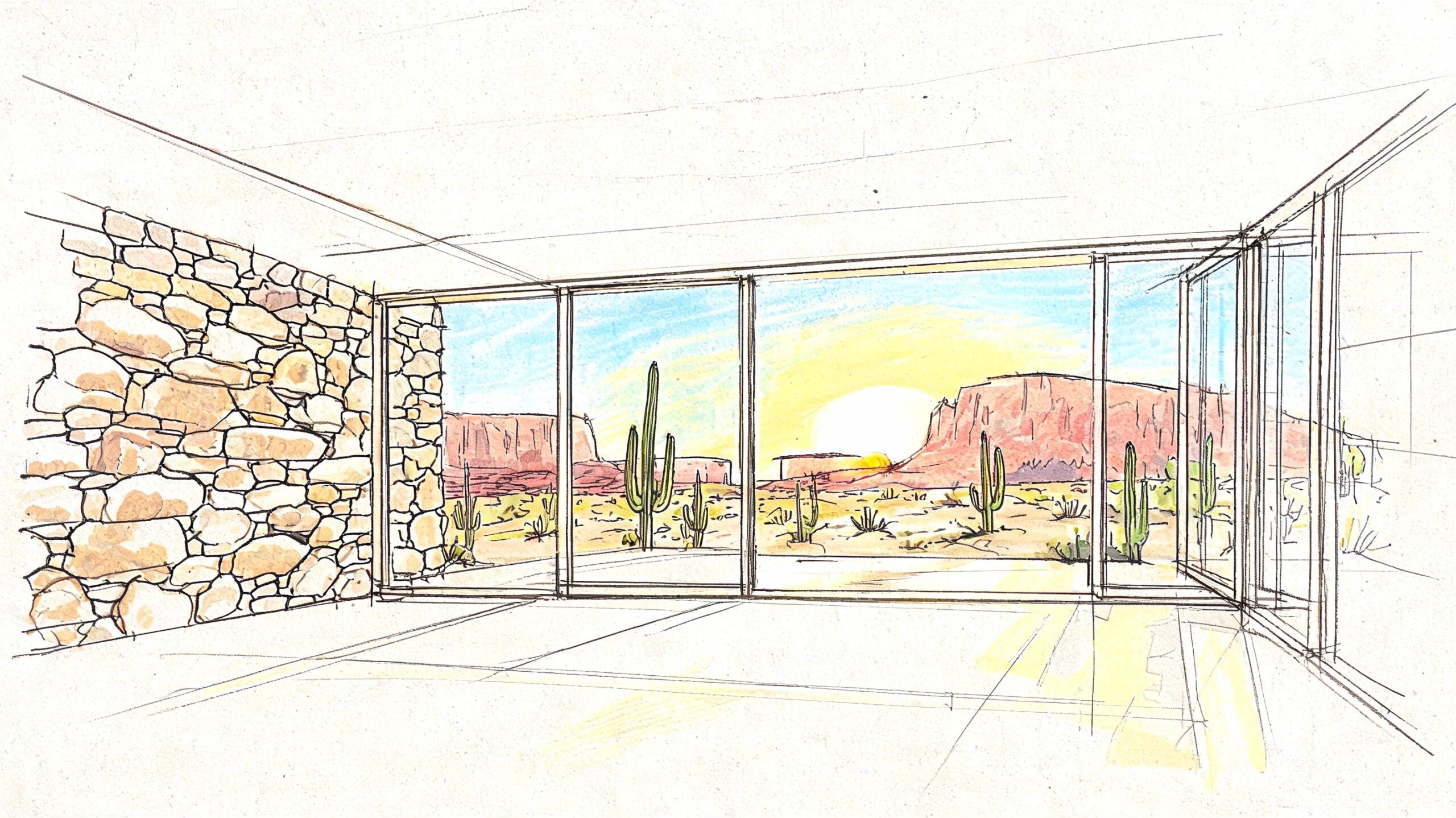
The smarter move is to keep the material story and lighten the delivery. For smaller homes in arid regions, climate-smart choices matter. Instead of heavy, dark beams that can trap heat, use slimmer, pale wood accents to improve airflow and reduce visual weight. For upholstery, choose breathable, dust-resistant fabrics, an approach highlighted in this article on bringing Tuscan style home.
What to remove first
If you're updating an older Tuscan room, don't start by buying new furniture. Start by taking things out.
Remove:
- Heavy window treatments
- Artificial fruit and vineyard décor
- Dark red and gold accessories
- Crowded cabinet tops
- Overly themed wall art
- Bulky iron pieces that block sightlines
That first edit often changes the room more than any purchase.
What to keep and reinterpret
Some traditional Tuscan elements still work well here. They just need a lighter hand.
Keep the idea of:
- Natural wood
- Stone or plaster texture
- Earth-based color
- Iron details
- Craftsmanship over trend
Then reinterpret them with cleaner lines, fewer accessories, and more daylight. If you like layered regional design, Southwestern bedroom design ideas can be a helpful reference point because Southwestern and Tuscan styles both rely on earth tones, texture, and natural materials. The difference is in the editing.
Local homes usually need “less Tuscany, more atmosphere.”
The best local version of decorating Tuscan style
In our climate, the strongest version of decorating Tuscan style usually includes:
| Dated version | Better local version |
|---|---|
| Dark faux-finish walls | Warm white or soft ochre walls |
| Massive dark beams | Slimmer pale wood accents |
| Heavy brocade drapes | Linen panels or simple window treatments |
| Busy mosaic backsplash | Cleaner tile or stone-look surface |
| Excessive iron décor | A few well-placed iron accents |
| Dense accessory groupings | Open surfaces with selected pieces |
The room still feels rooted and warm. It just breathes.
That's the version that works for today's homes in this region. It respects the spirit of Tuscany without ignoring the way people in Texas and New Mexico live.
Accessorizing and Sourcing Your Perfect Look
Accessories should finish the room, not explain it. If guests need the pottery, lanterns, and wall signs to understand that you were aiming for Tuscany, the larger choices probably need refinement.
The finishing layer that matters
Good Tuscan accessories tend to be useful or tactile. Ceramic lamps. Woven baskets. Linen throws. A wool rug. Iron candleholders. Handmade-looking bowls. These pieces support the room's material story without creating clutter.
Plants can help too, especially if they stay simple and sculptural. If you enjoy fragrant greenery and want to study the habits of classic Mediterranean-style plants, this guide to unlocking Jasminum Sambac flowering secrets is an interesting reference for adding a romantic botanical note without overcomplicating the room.
Tuscan Style on a Budget Smart Swaps
| High-End Feature | Budget-Friendly Swap |
|---|---|
| Full stone wall | Lime-washed paint or plaster-look finish |
| Antique farmhouse table | New wood table with simple, weighty lines |
| Custom iron chandelier | Smaller iron pendant or lamp pair |
| Imported terracotta flooring | Rug in clay and ochre tones |
| Built-in rustic beams | Light wood accents and open shelving |
Edit the room until every object earns its place.
The final layer should feel personal. A family pottery piece, a bench that's used, or a set of linen napkins for Sunday dinner will always do more than decorative filler. Keep the room honest, warm, and livable.
If you're ready to bring Tuscan warmth into your home without the heaviness, Miller Waldrop Furniture & Decor can help you choose the right tools for the job. Explore quality furniture, adjustable sleep solutions, and custom options that fit the way you live in West Texas and Southeastern New Mexico. Visit a showroom in Lubbock, Hobbs, or Ruidoso Downs, or start online to find pieces that make decorating Tuscan style feel practical, lasting, and distinctly your own.