

10 Dining Room Table Styles for Every Home

The table looks perfect in the showroom, but at home the chairs collide with the wall, the everyday place settings leave no room for serving dishes, and the “guest-ready” shape sits unused most of the week. The right dining table must do more than look attractive. It needs to fit the room, support daily meals, accommodate guests, and work with the home's existing decor.
These dining room table styles solve different design problems. Some add warmth through distressed wood, while others preserve visual openness with glass. Some make legroom easier, some adapt to changing guest lists, and others create a refined focal point that anchors the entire room. The practical choice depends on construction, seating flexibility, maintenance, visual weight, and budget.
The list below helps homeowners compare those trade-offs before visiting Miller Waldrop Furniture & Mattress for personalized guidance. Explore the available dining room furniture at Miller Waldrop, and use these cafe furniture tips from Simply Hospitality for additional ideas about selecting tables for social spaces.
1. Farmhouse Dining Tables
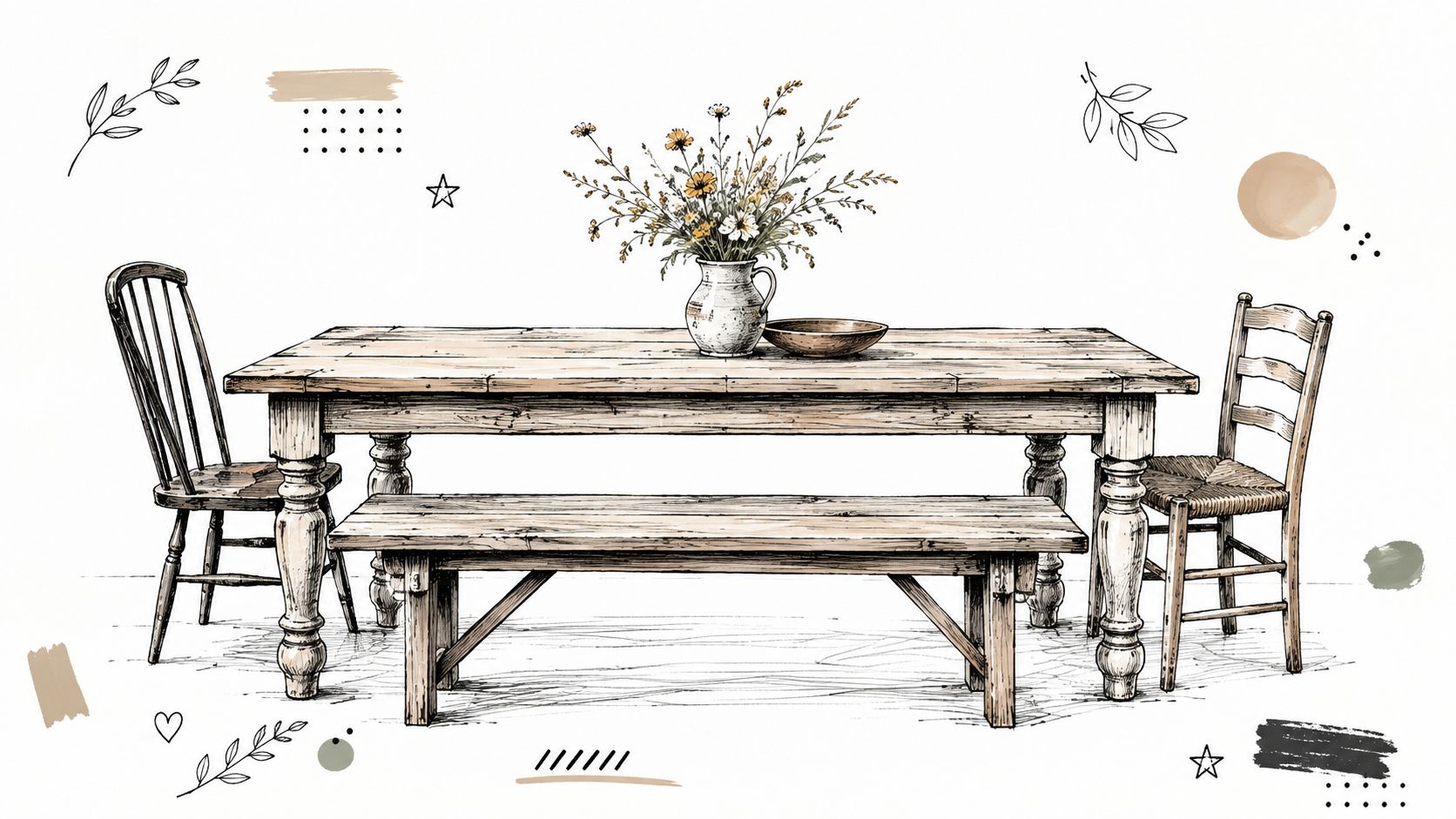
A farmhouse dining table solves the problem of a dining room that feels too formal or impersonal. Its substantial wood construction, visible grain, turned legs, and weathered finish create an immediate sense of welcome. This style works especially well for households that want the table to feel like the center of family life rather than a piece reserved for special occasions.
A cream-painted top with black turned legs can anchor a modern farmhouse room without making the space look dated. Reclaimed wood paired with mismatched chairs creates a more collected setting, while a natural-stained table with upholstered benches brings warmth to a casual dining area in a West Texas or New Mexico home.
Make everyday wear part of the design
Farmhouse tables are a strong choice for families because small marks and variations can support the lived-in character. That doesn't mean protection should be ignored. A quality protective finish, placemats, or table pads can reduce damage from spills, heat, and craft projects while preserving the table's visual character.
Choose the finish in relation to the wood already in the room. A table that repeats or complements nearby flooring, cabinetry, or shelving will feel intentional, even when the chairs don't match exactly.
Practical rule: Choose the table for the way the household gathers, then mix chairs and benches to make the room feel personal.
An expansion leaf makes the farmhouse style more useful for households that move between weeknight meals and larger gatherings. Upholstered chairs provide comfort during longer dinners, while wooden chairs and benches reinforce the rustic look. The best farmhouse table is sturdy enough for daily use, flexible enough for guests, and relaxed enough that nobody worries about using it.
2. Mid-Century Modern Dining Tables
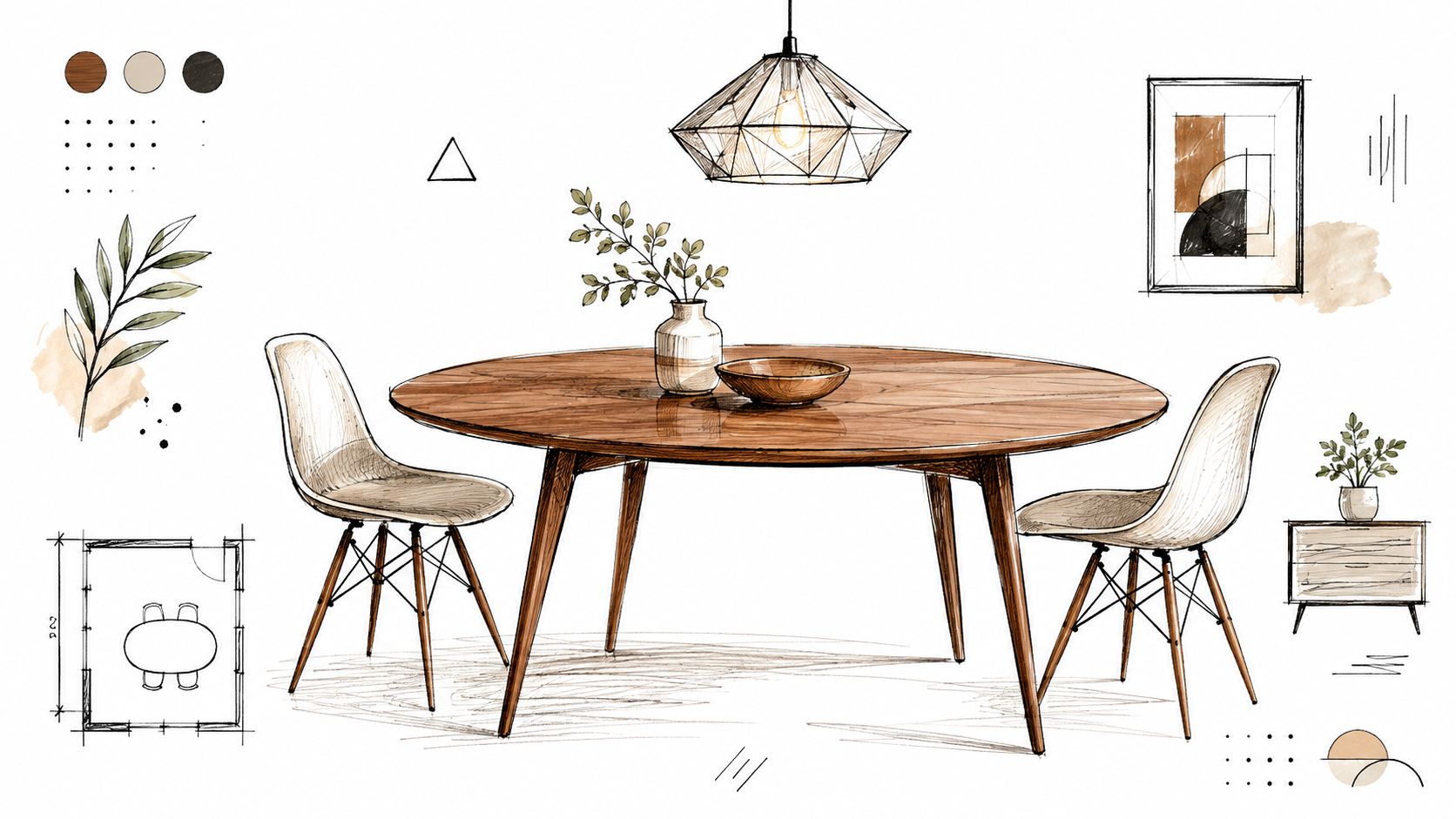
Mid-century modern tables solve the problem of wanting a recognizable design statement without visual clutter. Their clean profiles, tapered legs, and restrained detailing create a polished room that still feels comfortable for everyday use. The style suits contemporary homes because it has enough character to stand out without competing with artwork, lighting, or architectural details.
A walnut table with tapered legs and upholstered chairs creates a dining area in a Lubbock home. A glass-and-metal version feels lighter in a Ruidoso Downs residence, while an oval wood table can make a smaller New Mexico dining area feel open and conversational.
Use contrast without losing cohesion
Mid-century modern furniture looks strongest when the room avoids becoming a themed display. Natural wood can serve as the anchor, with upholstery, a textured rug, plants, and warm lighting adding softness. A pendant inspired by the same design era can reinforce the look, but every surrounding piece doesn't need to come from one period.
Shape matters as much as finish. A round or oval top softens the straight lines of tapered legs and encourages face-to-face conversation. A rectangular top is the better fit when the table must sit against a wall or serve a longer, narrower room.
For a balanced setting, select chairs with upholstery in a complementary color rather than an exact match. That approach gives the table a defined presence and keeps the dining room from feeling like a showroom set. Mid-century modern is the right recommendation for shoppers who want intentional simplicity, natural material beauty, and a style that can move comfortably between vintage-inspired and contemporary decor.
3. Contemporary Glass Dining Tables
Contemporary glass tables solve a visual problem: a dining room feels crowded before the furniture has even been used. A clear top allows light and sightlines to pass through, reducing the table's visual weight. That makes glass especially effective in open-plan homes, apartments, and dining areas that share space with a living room or kitchen.
A clear glass top with a chrome base can keep a Lubbock apartment feeling open. Frosted glass over an architectural wood base adds warmth to a Hobbs home, while smoked glass and metal establish a more dramatic contemporary look in a New Mexico new-construction space.
Select the surface for the household
Tempered glass is the practical recommendation for households that need added safety and durability. Clear glass shows fingerprints and crumbs readily, so it rewards regular cleaning. Frosted or smoked finishes conceal some visual noise and create a softer appearance, but they still need careful handling to prevent scratches and surface marks.
Glass can feel cool if every other element in the room is also sleek. Upholstered chairs, a textured rug, woven accessories, and warm lighting give the setting more depth. Placemats and coasters help reduce noise and protect the surface from heat-related marks.
The table should also be styled with restraint. Too many objects beneath or around a transparent top can make the room feel busy. A sculptural base, a simple centerpiece, and comfortable chairs usually provide enough interest.
A suitable dining room table light can complete the arrangement by defining the table as a destination without adding heavy visual mass. Choose this style when openness matters more than hiding daily fingerprints, and when the room benefits from a lighter-looking centerpiece.
4. Industrial Dining Tables
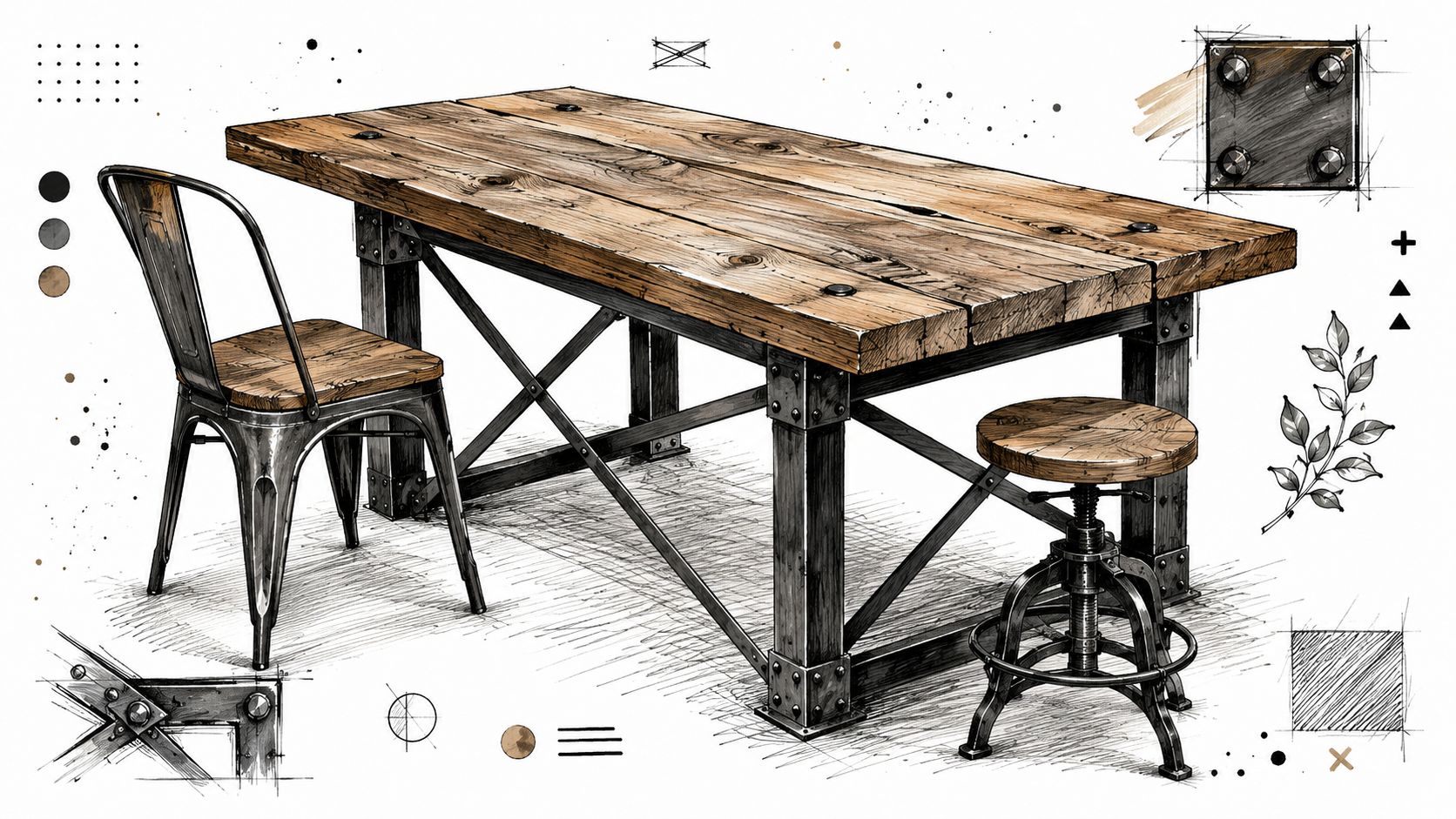
Industrial tables solve the problem of a dining room that lacks personality and material contrast. Reclaimed wood, steel, iron, and visible structural details give the table a sense of construction rather than decoration. The result works in loft-style rooms, modern Southwest interiors, and homes that already use metal lighting, exposed shelving, or darker finishes.
A reclaimed wood top on a steel base can become the focal point of a Lubbock dining room. A concrete surface with iron legs brings a harder contemporary edge to a Hobbs home, while a vintage factory base paired with a new wood top creates a convincing industrial-rustic blend in Ruidoso Downs.
Soften the hard edges
Industrial furniture needs balance. Upholstered chairs, warm bulbs, woven textiles, and a rug prevent the table from making the dining room feel like a workshop. Leather seating can reinforce the rugged character, but fabric works better when the goal is a more relaxed, family-friendly environment.
Reclaimed wood varies in color, texture, and surface character. That variation is part of the appeal, but shoppers should inspect the finish closely and consider how it will respond to food, moisture, and frequent cleaning. Metal bases also deserve attention. A clear protective sealant can help preserve the finish and reduce the risk of rust in areas exposed to spills or humidity.
Storage can make this style especially useful. A trestle structure with a shelf or a nearby industrial sideboard gives serving pieces a practical home without interrupting the table's strong silhouette.
Industrial tables suit shoppers who value visible craftsmanship and durability over delicate formality. They're also a good way to introduce one bold material combination into a room without replacing every surrounding piece.
5. Scandinavian Dining Tables
Scandinavian tables solve the problem of a dining room that feels dark, overfilled, or visually restless. Light woods, tapered legs, clean lines, and efficient proportions make the style feel calm without making it stark. The design works well in apartments, smaller dining zones, and homes that need furniture to provide warmth while preserving light.
A light ash table with simple legs can keep a Lubbock apartment airy. Natural birch with extension leaves suits a Hobbs household that alternates between smaller meals and family gatherings. A white-painted table can bring a quiet Nordic mood to a Ruidoso Downs cottage.
Keep simplicity comfortable
Scandinavian design depends on texture. Natural-fiber cushions, woven rugs, linen textiles, plants, and warm lighting prevent pale wood from feeling cold. Upholstered chairs can make the table more comfortable for long meals, while simple wooden chairs keep the room visually clean.
The finish should respond to the room's daylight. Light wood can reflect brightness in a dim dining area, but a pale table may look washed out if the space already lacks contrast. Add darker chair frames, artwork, or a warm-toned pendant when the room needs definition.
For regular entertaining, prioritize an extension mechanism that feels sturdy and easy to operate. The table should look proportional both in its everyday configuration and when expanded. There's no benefit in choosing a compact silhouette if the extended version overwhelms the circulation path.
Scandinavian tables are ideal for households that want furniture to feel useful, quiet, and welcoming. The style doesn't rely on ornament to create interest. It relies on proportion, material quality, and a room arranged with purpose.
6. Rustic Wood Dining Tables
Rustic wood tables solve the problem of a dining room that feels disconnected from nature, craft, or the surrounding environment. Live edges, hand-hewn surfaces, reclaimed boards, and visible grain make each table feel grounded. These designs fit naturally into West Texas and New Mexico homes where wood, leather, stone, and outdoor influences already shape the decor.
A live-edge walnut slab can serve as a sculptural centerpiece in a Lubbock gathering space. Hand-hewn hickory with matching benches creates a Western feel in a Hobbs home, while reclaimed wood can reinforce the cabin character of a Ruidoso Downs retreat.
Plan for maintenance before purchase
Rustic wood is attractive because it shows material character, so maintenance should protect rather than erase that character. Quality finishes or oils can help preserve the surface and enrich the grain. Coasters, table pads, and placemats reduce exposure to heat and moisture, especially during meals with children or frequent guests.
A live-edge top needs more attention to room placement than a regular rectangle. Its irregular outline can create an appealing focal point, but it may make chair placement less predictable. Measure the widest points of the top, not only the straightest edge, before deciding where the table will sit.
Use the surrounding room to support the wood instead of competing with it. Leather chairs, woven textiles, warm lighting, and simple ceramics allow the grain to remain the visual focus. If the room already contains several wood tones, repeat one finish through a chair frame, sideboard, or accessory so the variation feels deliberate.
Rustic wood is the strongest recommendation for shoppers who want a table to become more expressive with age. It offers warmth and story, but it rewards realistic expectations about care and natural variation.
7. Marble and Stone Dining Tables
Marble and stone tables solve the problem of a dining room that needs a refined anchor. A polished marble top, natural slate surface, granite, or engineered stone can make the table feel permanent and composed without relying on ornate decoration. The material becomes the statement, while the base determines whether the room reads as traditional, contemporary, rustic, or transitional.
A white marble top on a pedestal base creates a formal Lubbock dining room. Black granite with a metal base brings contemporary sophistication to a Hobbs home, while slate over reclaimed wood combines rustic character with refined material contrast in a Ruidoso Downs retreat.
Match the finish to the maintenance routine
Stone isn't maintenance-free. Porous surfaces need appropriate sealants, and spills should be handled promptly to reduce staining risk. A honed finish offers a less reflective appearance and can feel more relaxed for everyday dining, while polished stone creates greater formality but highlights fingerprints, reflections, and surface activity.
Use runners, placemats, and coasters to protect the top from heat marks and spills. Upholstered seating adds comfort and prevents the room from feeling overly austere. Warm lighting and textiles also help balance the visual hardness of stone.
Stone tables carry substantial visual weight, so they need breathing room. A compact room may benefit from a smaller round top or a slimmer base, while a large formal dining room can support a stronger rectangular silhouette. The base must also suit the top. A heavy stone surface paired with an undersized support can look unbalanced.
For broader material inspiration, this guide to signature granite collections offers useful context on the range of stone appearances available. Choose marble or stone when refined impact matters and the household accepts a more deliberate care routine.
8. Extendable and Drop-Leaf Dining Tables
Extendable and drop-leaf tables solve a clear design problem: daily meals need a compact footprint, while gatherings require more seating and serving space. Keep the table small when the room is in regular use, then expand it for guests. This makes the style practical for apartments, multipurpose rooms, and dining areas that cannot permanently fit a large table.
A farmhouse table with butterfly leaves moves from weeknight meals to family celebrations in a Lubbock home. A contemporary drop-leaf table suits a Hobbs apartment, while a rustic gate-leg design fits a Ruidoso Downs cottage where limited floor area and character both matter. Choose the mechanism according to how often you host, not only how the table looks closed.
Measure the expanded footprint
The expanded table determines whether the purchase works. Measure the room with every leaf installed, then include chair space and a clear circulation path. A compact everyday setting offers little value if the extended table blocks a doorway or presses guests against the wall.
Check that the hardware operates smoothly and feels stable. Locking mechanisms should hold the sections securely, while the support system should keep the center from sagging or shifting. Leaves also need a suitable storage location. A climate-controlled space helps limit warping and finish damage.
For tighter rooms, compare a curated selection of dining room tables for small spaces and focus on closed dimensions before choosing a style. Inspect extension hardware regularly and tighten it when needed. Store the leaves close to the table so they remain organized and protected.
This style suits households with changing seating needs. It provides flexibility without making the dining room feel permanently arranged for a party. Choose drop-leaf construction for maximum everyday compactness, or an extendable design when you need a fuller surface for regular hosting.
9. Glass and Wood Combination Dining Tables
Glass-and-wood tables solve the problem of choosing between warmth and openness. The wood base introduces grain, color, and visual grounding, while the glass top allows light to pass through and keeps the structure from feeling heavy. This hybrid approach works in homes that want contemporary design without a cold or overly minimal result.
A natural wood base with clear glass creates Scandinavian-inspired lightness in a Lubbock dining room. A sculptural base under frosted glass brings contemporary sophistication to a Hobbs home, while a rustic wood base with a glass top combines traditional character and modern practicality in a Ruidoso Downs space.
Assign each material a job
The base carries the visual warmth, so its stain should relate to the existing floor, cabinetry, or nearby furniture. The glass provides openness, but it also reveals fingerprints, crumbs, and objects placed beneath the top. Frosted or textured glass can reduce the starkness and make everyday marks less noticeable than they would be on a perfectly clear surface.
Care requires two routines. Clean the glass with a suitable glass product, and treat the wood according to its finish. Placemats and coasters protect both materials, while a centerpiece with natural texture can connect the two surfaces.
This style also works well for shoppers who want to mix furniture rather than buy a completely matching dining set. Wood chairs can echo the base, upholstered chairs can soften the glass, and metal lighting can add a third material without making the room feel disconnected.
Use this combination when the room needs a lighter profile than a solid wood table but more warmth than an all-glass design. It's a practical middle ground with enough structure to anchor the decor and enough transparency to preserve circulation and sightlines.
10. Pedestal and Trestle Base Dining Tables
Pedestal and trestle tables solve a practical problem: limited legroom. A centered pedestal or paired trestle keeps corner legs away from chairs, making it easier to fit different seat widths and shift seating for guests. Choose this style when circulation and chair placement matter more than a conventional four-leg silhouette.
A round pedestal table suits a formal Lubbock dining room, while a wood trestle beneath a rectangular top adds farmhouse character in a Hobbs home. In a Ruidoso Downs space, a black pedestal with marble creates a refined focal point. Match the base to the room's existing materials, not only to current trends.
Select the base for the seating plan
Round and oval tops benefit most from a pedestal because the support leaves the perimeter open. A round table encourages conversation and works well where people gather from several directions, but its footprint is less efficient against a narrow wall. Choose a trestle for a rectangular room or a larger table that needs stronger visual weight while keeping chair positions flexible.
Check stability before choosing an oversized top. A wide surface and occupied chairs place pressure on the base, so the table should remain steady when someone sits down, rises, or leans against the edge. Patented self-stabilising bases can be worth considering when movement is a recurring concern. The support should also suit the top: metal sharpens glass, wood adds warmth, and a substantial base balances stone.
Plan comfort around standard proportions. Dining tables generally measure 28 to 30 inches from the floor to the tabletop, and paired chairs commonly have seat heights of 18 to 23 inches. Confirm the clearance between the support and each chair before buying, especially with a broad pedestal or a trestle that runs along the tabletop.
For round tables, diameter controls both seating and circulation. A 60-inch round table seats 6 people, while a 72-inch round table seats 8. A 10-seat arrangement may require a diameter between 60 and 72 inches, depending on the elbow room allowed. Use this dining room table size guide to compare proportions, then tape the footprint on the floor before ordering. That test exposes cramped walkways and helps confirm whether the base leaves enough room for every chair.
Top 10 Dining Table Styles Comparison
| Style | Construction Complexity | Materials & Maintenance | Expected Outcome | Ideal Use Cases | Key Advantages |
|---|---|---|---|---|---|
| Farmhouse Dining Tables | Moderate–High (solid wood, sturdy joinery) | Solid/reclaimed wood; moderate upkeep, occasional refinishing | Warm, durable, family-friendly centerpiece | Family homes, casual entertaining, rustic/country décor | Extremely durable, hides wear, versatile with décor |
| Mid-Century Modern Dining Tables | Low–Moderate (precise joinery, clean lines) | Walnut/teak, metal accents; low maintenance, occasional refinishing | Sleek, space-efficient, design-forward look | Modern apartments, contemporary homes, small dining areas | Timeless aesthetics, compact, pairs well with varied furniture |
| Contemporary Glass Dining Tables | Moderate (tempered glass fabrication, engineered bases) | Tempered glass + metal/wood bases; frequent cleaning, careful handling | Airy, light-enhancing modern aesthetic | Open-concept homes, minimalist interiors, small spaces | Visual lightness, brightens room, easy surface cleaning |
| Industrial Dining Tables | High (metalworking, heavy construction) | Reclaimed wood + steel/iron; durable but needs rust protection and maintenance | Rugged, sculptural focal point with authentic character | Lofts, rustic-modern spaces, homes valuing craftsmanship | Extremely durable, unique patina, strong visual statement |
| Scandinavian Dining Tables | Low–Moderate (simple, functional joinery) | Light woods (birch, ash); low maintenance but shows dust/wear | Bright, minimalist, functional elegance | Small homes, minimalist interiors, hygge-focused spaces | Timeless minimalism, space-efficient, often extendable |
| Rustic Wood Dining Tables | High (solid slabs, live-edge work) | Solid hardwood; regular oiling/sealing, heavy and long-lasting | Warm, authentic, unique centerpiece that improves with age | Cabins, traditional and rustic homes, Western décor | Unique grain and character, exceptional longevity |
| Marble and Stone Dining Tables | High (heavy tops, reinforced bases) | Natural/engineered stone; sealing required, careful stain/etch prevention | Luxurious, refined, permanent centerpiece | Formal dining rooms, luxury and transitional interiors | Elegant appearance, highly durable, unique natural patterns |
| Extendable & Drop-Leaf Dining Tables | Moderate (mechanisms and moving parts) | Varies by material; mechanism maintenance and proper storage for leaves | Flexible sizing, space-efficient hosting solution | Apartments, growing families, multifunctional rooms | Adaptable to needs, saves space, available in many styles |
| Glass & Wood Combination Dining Tables | Moderate (precision joins between materials) | Glass top + wood base; maintain both surfaces, watch joins for dust | Balanced warmth and openness with visual interest | Transitional homes, contemporary-rustic interiors | Combines glass lightness with wood warmth, showcases base design |
| Pedestal & Trestle Base Dining Tables | Moderate (engineered base for stability) | Various tops/bases; ensure proper weighting and care | Maximum legroom, flexible seating, elegant sightlines | Formal rooms, small spaces, families valuing seating comfort | Enhances legroom, versatile seating arrangement, elegant profile |
Choose Your Best-Match Dining Table
The best dining table isn't the one that dominates a showroom floor. It's the one that fits the room, supports the household's routines, and still looks intentional when the table is covered with plates, homework, serving bowls, or a centerpiece.
Start by measuring the available footprint. Include the table, pulled-out chairs, nearby walls, doorways, and the path people use to enter and leave the room. For an extendable table, measure the fully expanded configuration, not just the compact everyday size. A table that fits only when nobody is sitting down won't serve the household well.
Next, identify two seating requirements. The first is the everyday number of diners. The second is the largest gathering the room must accommodate. Farmhouse and rustic wood tables suit households that want warmth, durability, and an inviting surface for constant use. Extendable and drop-leaf tables make more sense when guest capacity changes often.
Material maintenance should guide the choice as much as appearance. Rustic wood and farmhouse finishes can embrace natural variation, but they still benefit from protective finishes, coasters, and placemats. Marble and stone create refined impact, but they require attention to sealants, spills, and heat protection. Glass keeps a room visually open, although fingerprints and crumbs are easier to see. Glass-and-wood designs split the difference, combining transparency with a warmer base.
The base affects comfort more than many shoppers expect. Pedestal and trestle designs improve legroom and make chair placement more flexible, but stability must be verified, particularly with larger tops. A standard dining table height of 28 to 30 inches works for most homes, and the chair must leave comfortable clearance between the seat and tabletop. Living Spaces' guide places common dining chair seat heights around 18 to 23 inches.
Shape should follow room geometry, not trend coverage. Rectangular tables remain efficient against walls and in narrow rooms. Round and oval tables soften circulation and support conversation, but their curved perimeter can use space differently. Ergonomic guidance commonly allows about 60 cm of table length per seated person, with widths around 85 to 100 cm for comfortable dining, as explained in this ergonomic compatibility reference for dining tables. Rectangular tables commonly scale from 60 to 80 inches for 4 to 6 seats, while round tables of about 44 to 54 inches in diameter are commonly used for 4 to 6 seats, according to the same reference.
Finally, match visual weight to the decor. Glass and Scandinavian designs preserve openness. Farmhouse and rustic wood bring warmth and grounding. Marble and stone add refined impact. Mid-century modern keeps the room intentional without excess. Industrial tables add material contrast and character, while pedestal and trestle bases make comfort and flexible seating the priority.
Miller Waldrop Furniture & Decor provides dining furniture options for different styles, shapes, finishes, and configurations, with personalized guidance for shoppers furnishing homes in Lubbock, Hobbs, and Ruidoso Downs. Visit a showroom or explore the Miller Waldrop dining furniture collection to compare table proportions, seating arrangements, and finishes in person.
Miller Waldrop Furniture & Decor offers dining room tables and related furniture in traditional, farmhouse, rustic, mid-century modern, industrial, and contemporary styles. Visit Miller Waldrop Furniture & Decor to compare options, discuss room size and seating needs with the design team, and choose a table that works for everyday meals and future gatherings.