

Polyester for Sofa: Durable & Stylish Choices 2026


A family in Lubbock walks into a showroom with one goal. Find a sofa that looks sharp on Saturday and still looks good after a year of movie nights, dog naps, and snack spills.
That's usually where the question starts. Not which color. Not which arm style. Which fabric can handle real life in West Texas and Southeastern New Mexico? Dry air, bright sun, dust, pets, and busy households ask more from upholstery than most online guides admit.
Polyester sits at the center of that conversation. Some shoppers hear the word and think “cheap.” Others hear “durable” but worry it will feel hot. Both reactions miss the bigger story. Polyester for sofa use has changed a lot, and the right version can solve a very specific problem: how to get a family-friendly sofa that's practical, attractive, and easier to live with every day.
Your Guide to Choosing the Perfect Sofa Fabric
A couple furnishing a first home in Hobbs often starts with the same checklist. They want a neutral sofa, enough seating for company, and a fabric that won't turn every accident into a crisis. Then the questions pile up. Will it trap heat? Will the dog's paws rough it up? Will the afternoon sun bleach one cushion before the others?
Those questions matter because a sofa isn't just decor. It's command central for the house. Kids climb on it. Guests land on it. Pets claim one corner and act like they paid for it.
That's why fabric choice matters as much as frame or cushion fill. A beautiful silhouette won't help much if the upholstery starts looking tired too soon. Polyester for sofa upholstery keeps showing up in these conversations because it's built for homes that are used, not just admired.
A good sofa fabric doesn't ask a family to live carefully. It helps the family live normally.
For local homeowners, that means looking beyond the label and into the fabric's actual behavior. Some polyester fabrics are soft and inviting. Some are tightly woven workhorses. Some are made for heavy traffic and easier cleanup. Others are better suited for quieter rooms.
A smart choice starts with a simple shift in thinking. Don't ask, “Is polyester good or bad?” Ask, “Which kind of polyester fits this home?”
That's the question that leads to better decisions.
What Is Polyester Sofa Fabric Really
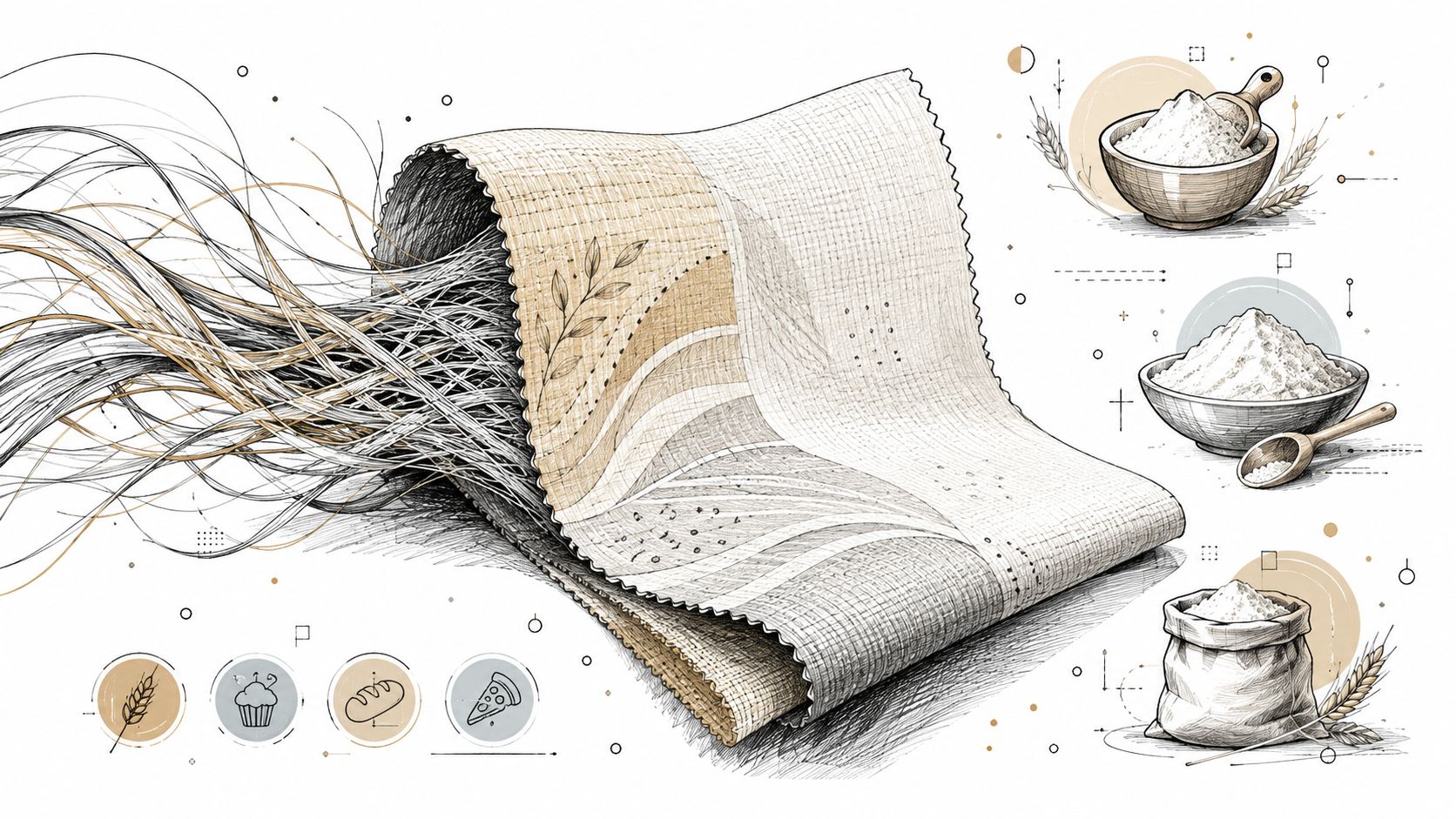
The easiest way to understand polyester is to think about flour. Flour isn't just flour. There's bread flour, cake flour, and all-purpose flour. Each one behaves differently in the kitchen, even though the label sounds simple.
Polyester works the same way in upholstery. The word describes a fiber family, not one single fabric feel or performance level.
100 percent polyester
When a sofa is upholstered in 100% polyester, the fabric is made entirely from polyester fibers. This is often the workhorse option. It tends to hold shape well, resist everyday wear, and offer a practical balance of comfort and durability.
That broad popularity isn't a niche trend. Polyester is a dominant fiber in the global sofa upholstery market, which is projected to surpass USD 27,000 million by 2033 according to sofa upholstery market projections. That growth reflects why so many furniture retailers keep returning to polyester. It performs well, and it fits a wide range of price points and lifestyles.
Microfiber and why it feels different
Microfiber is still polyester, but it uses much finer fibers. That changes the hand-feel in a big way. Instead of feeling slick or flat, microfiber can feel more like suede or a brushed fabric.
For families, that texture matters for two reasons:
- It feels softer: It often wins over shoppers who want comfort first.
- It can slow spills: Liquids may bead up long enough for a quick cleanup instead of soaking in immediately.
That doesn't make every microfiber sofa identical. Some are dense and smooth. Others are plush and casual. The weave and finish still matter.
Polyester blends
A polyester blend combines polyester with another fiber to borrow a few extra traits. Cotton can soften the hand. Linen can create a more relaxed, textured look. Nylon can add strength.
Here's the practical way to think about blends:
- For a casual family room: A polyester-heavy blend can give a softer feel without giving up easy care.
- For a formal look: A blend can mimic the beauty of natural fabric while keeping more resilience underneath.
- For a busy household: The exact mix matters less than the final performance rating and cleaning code.
Showroom shortcut: The label tells part of the story. The weave, finish, and cleaning code tell the rest.
A shopper doesn't need to memorize fiber chemistry. It's enough to know that polyester isn't one thing. It's a category. And once that clicks, the label becomes much less confusing.
The Real Pros and Cons of Polyester Sofas
Polyester earns its place in busy homes because it solves common problems. It can stand up to friction, handle everyday messes better than many delicate fabrics, and keep a sofa looking presentable without constant fuss.
That said, the strongest buying decisions come from seeing both sides clearly.
Where polyester works well
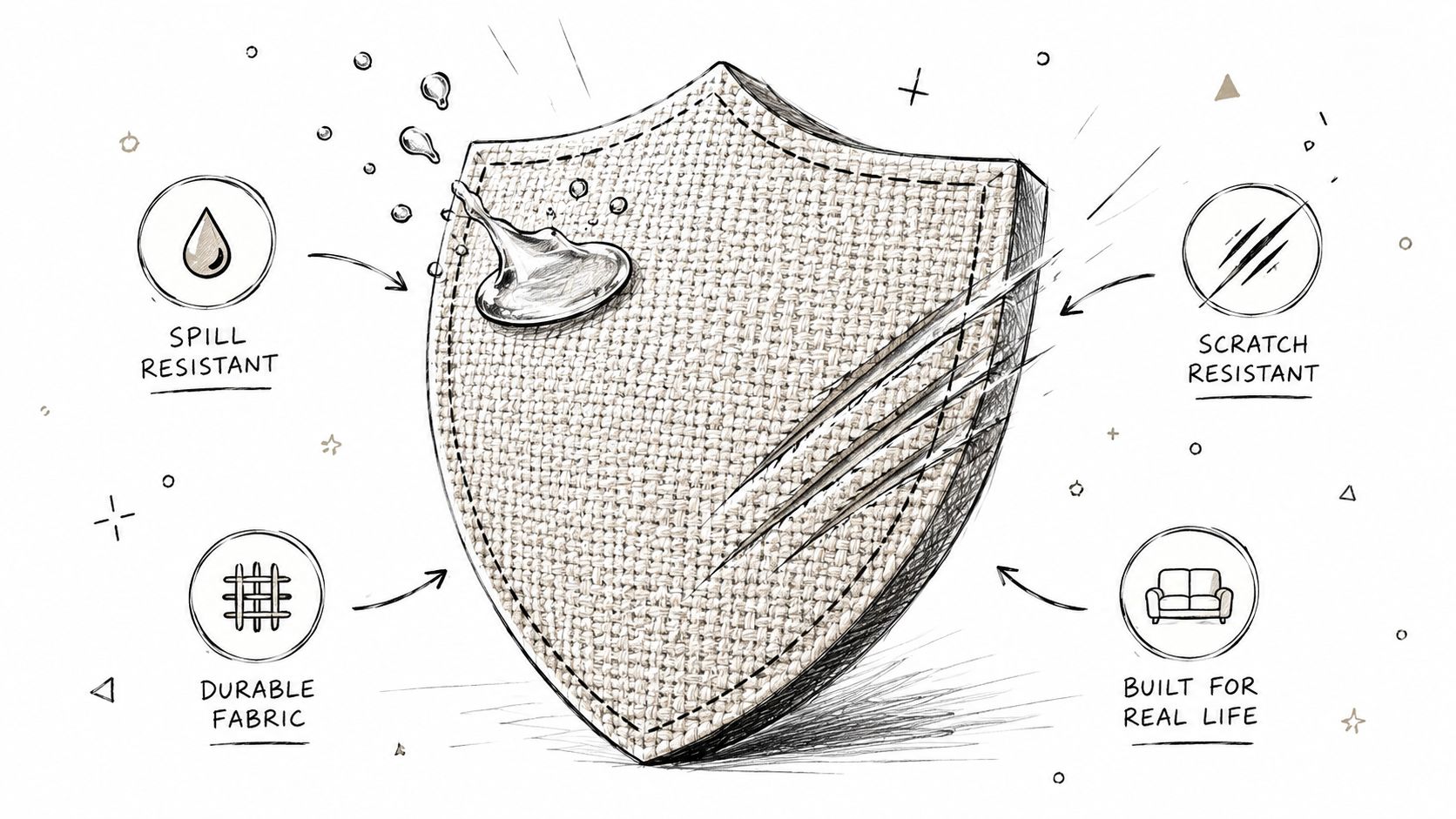
For a family room sofa, polyester usually shines in the areas that matter most day to day.
- Durability: It generally handles repeated sitting, shifting, and daily abrasion well.
- Stain resistance: Many polyester fabrics give spills time to be blotted before they settle in.
- Color retention: That's especially useful in bright rooms with strong sun exposure.
- Value: It often delivers a good mix of performance and cost control.
In dry, sunny climates, color retention matters more than many shoppers expect. A fabric that looks perfect under showroom lighting can behave very differently near a large west-facing window. Polyester often appeals here because it tends to be more forgiving in those conditions than some natural-fiber alternatives.
The concern shoppers raise most
The most common objection sounds familiar. Polyester feels hot.
Older versions of polyester helped create that reputation. But that old idea doesn't explain the newer fabrics now used on many sofas. Modern micro-polyester and high-density woven variants have improved thermal regulation, and that has changed how they perform in warm regions. As noted in this discussion of modern micro-polyester in hot climates, newer weaving technologies have made high-density polyester a more comfortable option even in places like West Texas.
That doesn't mean every polyester sofa will feel cool. It means the old blanket statement is no longer reliable.
The honest downsides
Polyester still has trade-offs, and shoppers should know them before buying.
Practical rule: If comfort is the first priority, sit on the exact fabric. Don't assume all polyester feels the same.
A few points deserve attention:
- Static can show up in very dry air: That's worth noting in desert climates.
- Pet hair may be more visible on some tight weaves: Fabric texture changes how easy cleanup feels.
- Pilling can happen on lower-quality fabric: Better construction reduces the chance, but it doesn't happen by magic.
- Some people still prefer the hand-feel of natural fibers: That's a comfort preference, not a flaw.
The key is matching the fabric to the room and the household. In a formal sitting room used lightly, another material may be appealing. In a hardworking family room, polyester often makes more sense because it asks less from the homeowner.
How Polyester Sofas Handle Pets Kids and Spills
For a sofa in a busy house, polyester usually moves from “good option” to “smart solution.” A sofa in a busy house has to survive more than ordinary sitting. It has to survive jumping, sliding, snacking, shedding, and the occasional mystery stain that nobody wants to explain.
The biggest misunderstanding is that all durable fabrics perform about the same. They don't. The difference often comes down to abrasion ratings, pilling resistance, and cleaning code.
What durability ratings actually mean
When a shopper sees double rubs or Martindale cycles, that number is measuring how much friction the fabric can take before showing wear.
For pet-friendly and high-use homes, procurement guidance calls for at least 30,000 rubs for residential use and 50,000+ rubs for heavy residential or commercial use, along with an ICI Pilling Box rating of 4–5 according to pet-friendly polyester durability guidance.
Another practical benchmark helps make those numbers easier to picture. A common rule of thumb is that 3,000 double rubs equals approximately one year of typical use, and high-traffic homes with kids or pets should look for tight-weave polyester blends rated at 50,000+ double rubs, while standard residential fabrics often sit around 15,000 double rubs according to this upholstery durability guide.
That's easier to understand in a table.
Polyester Durability Ratings Explained
| Durability Rating (Rubs) | Best For | Real-World Example |
|---|---|---|
| 15,000 | Standard residential use | A quieter living room that doesn't see all-day traffic |
| 30,000 | Active residential homes | A sofa used daily by adults, kids, and occasional guests |
| 50,000+ | Heavy residential or commercial-level use | A family room with pets, children, and constant use |
The details families should ask about
A parent shopping for a sectional doesn't need a textile degree. A short list of questions does the job.
- Ask for the rub count: That quickly separates decorative upholstery from hardworking upholstery.
- Check pilling resistance: A higher pilling rating usually means the fabric will stay cleaner-looking over time.
- Read the cleaning code: Water-based cleaning is simpler for everyday life.
- Touch the weave: Tighter weaves often handle clawing, scrambling, and repeated contact better.
For homes with pets, the fabric's surface also changes cleanup. A dense weave can make fur easier to remove with the right tools. For anyone dealing with daily shedding, this guide to effective pet hair removal solutions adds useful cleanup ideas beyond the usual lint roller routine.
The insider detail most guides miss
The most overlooked polyester detail is solution-dyed polyester.
General advice often warns against bleach on synthetic upholstery. But solution-dyed polyester is explicitly bleachable without damaging the fibers, which makes it a meaningful option for households that need stronger stain-fighting methods. That distinction is highlighted in this explanation of solution-dyed polyester care.
That matters because not every stain responds to mild soap and water. Pet accidents, food color, and heavy-use messes sometimes need more aggressive cleaning. A shopper who knows to ask whether a sofa uses solution-dyed polyester has a major advantage.
Strong cleaning options depend on the exact fabric construction, not just the word “polyester” on the tag.
For day-to-day care, a practical starting point is this guide on how to clean polyester furniture. It helps homeowners understand care codes and safer cleaning habits before the first spill happens.
How Polyester Compares to Other Sofa Fabrics
A fabric decision only makes sense in comparison. Polyester may be the right answer for one household and the wrong answer for another. The useful question is which trade-offs matter most in a West Texas or Southeastern New Mexico home.
Polyester versus cotton
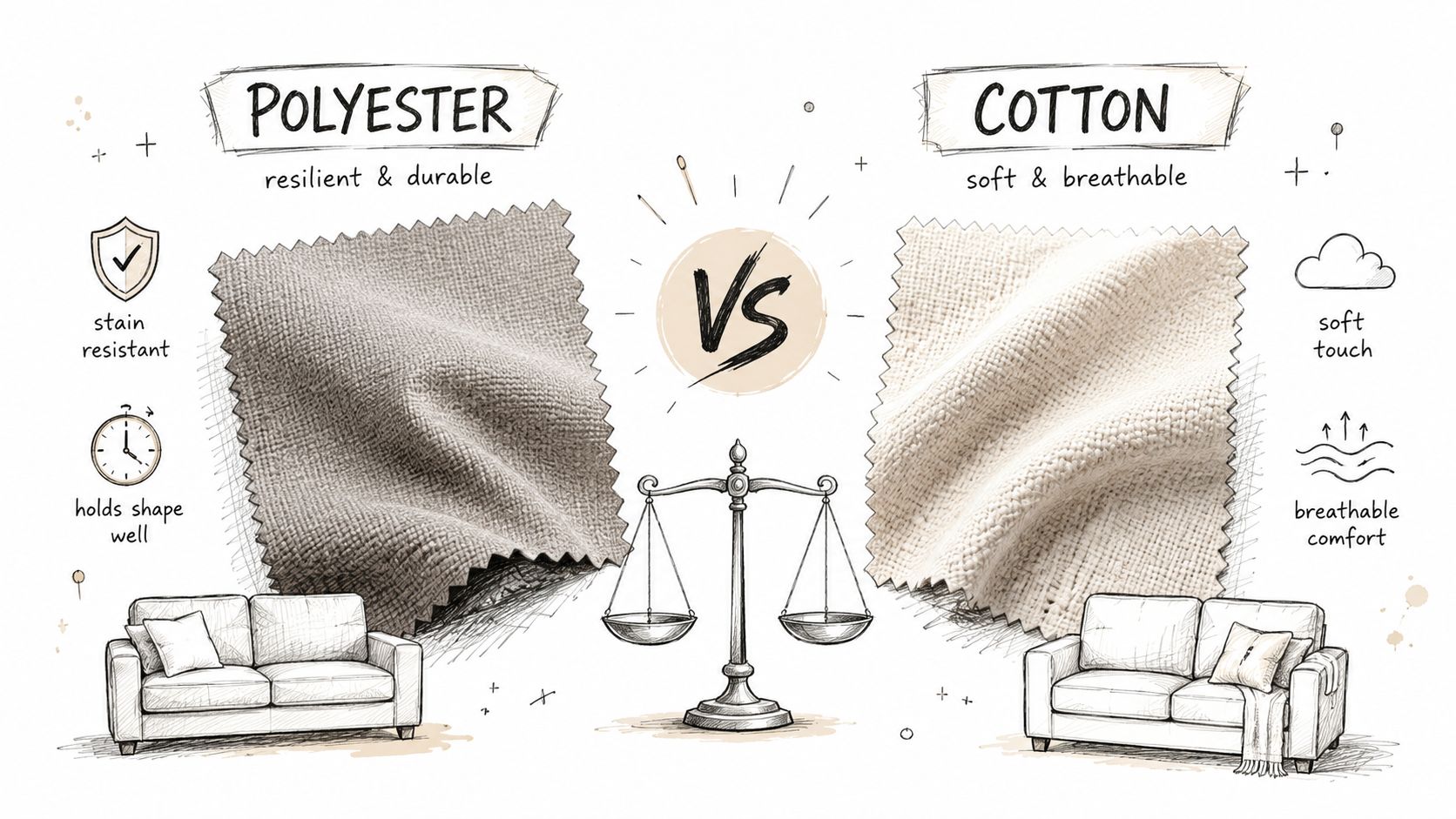
Cotton often wins on familiarity and initial softness. It can feel breathable and welcoming the moment someone sits down.
Polyester usually answers back with more practical resilience. In bright rooms, active homes, and spaces where spills happen often, polyester tends to be the easier fabric to live with. That's one reason many families end up leaning toward performance-minded upholstery instead of pure natural fiber.
Polyester versus linen
Linen brings texture and an easy elegance that many people love. It looks relaxed without looking sloppy, and it can make a room feel airy.
But linen also asks for more grace from the household. It's less forgiving with wrinkles, less relaxed about spills, and often less suited to rough daily treatment. In a formal room, that may be fine. In a family room with pets and kids, polyester often fits the job better.
Polyester versus leather
Leather is a different category of upholstery experience. It cleans differently, ages differently, and changes character over time.
Some households love that lived-in patina. Others want a softer, warmer seat and fewer worries about surface scratches showing. High-performing polyester can offer a practical middle ground for families who want durability and easier everyday comfort without moving into a leather look.
The right upholstery choice depends less on status and more on how the room is used from Monday through Sunday.
What to look for in a hardworking fabric
For households with children and pets, one recommended specification is a Martindale rating of at least 50,000 cycles, a pilling rating of 4–5, and a cleaning code of “W” for water-based cleaning according to this practical guide to sofa fabric grades.
That kind of specification helps cut through vague showroom language. “Family-friendly” sounds nice, but it's not a standard. Ratings are.
For shoppers who want a broader fabric primer before narrowing down a sofa, this overview of upholstery materials and how they compare gives useful context.
How to Choose Your Polyester Sofa with Confidence
By the time a shopper reaches the showroom floor, the decision gets simpler if the right questions are ready.
A short checklist for smarter shopping
- Ask what type of polyester it is: 100 percent polyester, microfiber, or a blend can feel very different.
- Request the durability rating: That reveals whether the fabric suits a formal room or a hard-use family room.
- Check the pilling rating and cleaning code: Those two details say a lot about long-term satisfaction.
- Look at the room at home: Sun exposure, pets, dry air, and daily traffic should guide the choice more than trends.
- Test the texture in person: Comfort isn't theoretical. A fabric needs to feel right on the skin.
A useful next step is bringing those questions into a conversation with a knowledgeable sales team. Miller Waldrop Furniture & Decor offers sofas, sectionals, and custom-order upholstery options from brands carried in its showrooms, which gives shoppers a way to compare fabric textures and performance details side by side rather than guessing from a screen.
A product category worth exploring for this topic is the store's selection of living room sofas, especially for households trying to balance comfort, cleanup, and long-term wear.
For anyone narrowing down fabric choices before visiting a store, this guide on how to choose upholstery fabric helps turn showroom questions into confident decisions.
The goal isn't to memorize textile jargon. The goal is to know enough to choose a sofa that fits the way the home lives.
A well-chosen sofa should make family life easier, not more delicate. For homeowners and renters in West Texas and Southeastern New Mexico, Miller Waldrop Furniture & Decor offers a practical place to compare fabrics, test comfort in person, and explore custom options that match real-life needs. Visit a showroom in Lubbock, Hobbs, or Ruidoso Downs to find the sofa, fabric, and support that help turn a good room into a comfortable, hardworking home.