

Bar Table White Guide: Find Your Perfect Fit & Style

A white bar table usually starts the same way. Someone has a blank kitchen corner, a narrow breakfast area, or an open-plan room that needs one more hardworking surface. The photos online look clean and easy. Still, its application can be messier. The wrong height feels awkward, the wrong finish shows every mark, and the wrong footprint turns a useful spot into a daily traffic jam.
That's why a bar table white choice should be made like a designer makes it. Not by color first, but by function first. In West Texas and New Mexico homes, that matters even more. Spaces often have to do double duty. A breakfast perch becomes homework space, a drink station becomes casual dining, and an entertaining piece has to hold up through regular life.
Table of Contents
- Finding the Perfect White Bar Table for Your Home
- Choosing the Right Bar Table Height and Size
- Beyond the Look A Guide to White Finishes
- How to Select Bar Stools and Lighting
- Layout Ideas for Small and Open Plan Spaces
- Care Custom Options and Expert Help
Finding the Perfect White Bar Table for Your Home
A white bar table earns its keep when it solves a real room problem. In one home, it fills an unused kitchen edge and creates a coffee spot that doesn't need a full dining set. In another, it acts as a visual divider between the kitchen and living room without making the space feel boxed in. That flexibility is exactly why the category has staying power.
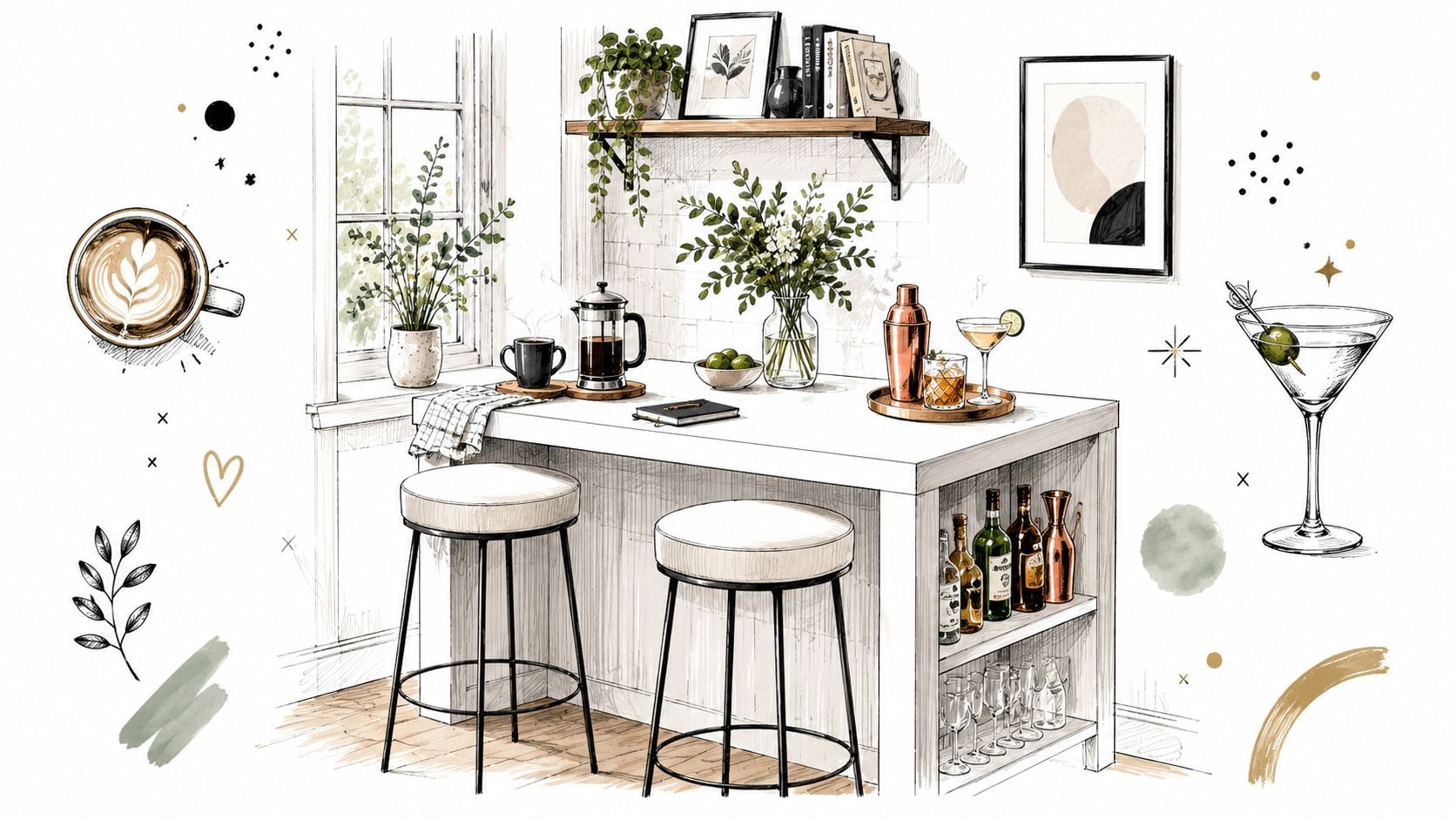
White works because it doesn't fight the room. It fits modern, minimalist, coastal, and transitional interiors, and it's easy to pair with other colors. The category also has broad retail depth, with large assortments across major stores, which signals that white bar tables aren't a niche trend but a flexible staple for renters, first-time buyers, and hosts, as noted in this white bar table market overview.
Practical rule: A white bar table should brighten the room and simplify it. If it adds visual clutter or forces awkward circulation, it's the wrong piece.
The better approach is to treat the table as a working surface first and a style statement second. That means asking a few blunt questions.
- Daily use: Will the table hold morning coffee, quick meals, laptop time, or evening drinks?
- Room role: Is it meant to sit against a wall, or does it need to define a zone in an open-plan layout?
- Maintenance tolerance: Does the household want crisp white, but not constant wiping and touch-ups?
- Seating habits: Will people sit here for meals, or mostly stand, lean, and gather around it?
A good choice feels obvious once those answers are clear. A bad one looks great in a showroom photo and becomes irritating by the end of the first week.
Choosing the Right Bar Table Height and Size
The biggest mistake in this category is shopping by silhouette before shopping by scale. Height comes first. Always.
Start with height, not style
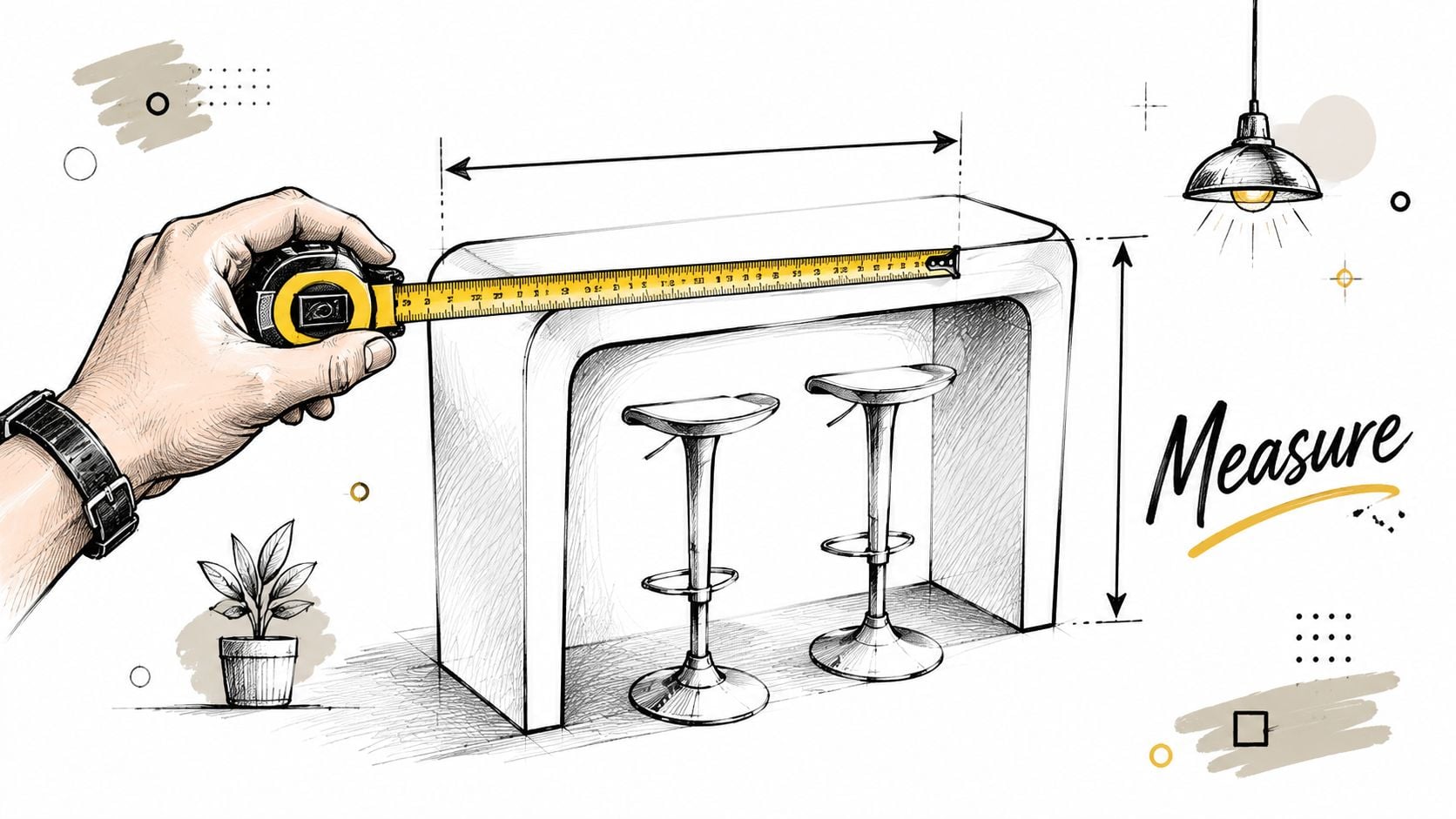
A standard white bar table for high-top seating is typically 40 to 42 inches tall, and that height matters because it creates the ideal 10 to 12 inches of vertical clearance for a standard bar stool with a 28 to 30 inch seat height. That's what supports comfort and proper social eye level, according to this bar-height table guide.
If the room needs a true bar-height setup, that standard should not be ignored. Dropping lower changes how the piece feels and functions. People notice it immediately when their knees crowd the underside or their arms sit too low on the top.
For shoppers comparing styles, this top bar table collection is a useful way to start narrowing shape and scale after height is settled.
Buy the table and stools as a system, not as separate impulse purchases. Most fit problems start when one is chosen without the other.
Measure the room like a designer
Once height is fixed, the footprint decides whether the table feels easy or annoying. A piece can be beautiful and still be wrong for the room if it interrupts traffic or overwhelms the corner it's supposed to improve.
A simple measuring routine keeps the decision grounded:
- Mark the wall or floor area first. Painter's tape works well. It shows how much room the table will claim.
- Add stools into the outline. People often measure only the tabletop and forget the seating zone.
- Walk the path around it. If walking past the taped shape already feels tight, the finished table won't feel any better.
- Check the primary use. A slim rectangle works for coffee and casual meals. A broader top suits real dining and entertaining better.
Shoppers also need to decide whether they want a compact perch or a more social setup. In a tight apartment kitchen, a narrow profile often wins because it preserves movement. In a larger open-plan home, a slightly larger top can act as an anchor between spaces.
Match the shape to the room
Different shapes solve different problems.
- Rectangular tables: Strong for walls, kitchen edges, and room-dividing roles.
- Round tables: Better for corners and softer traffic flow.
- Square tops: Useful when the goal is compact seating with a balanced footprint.
The right size should feel intentional, not squeezed in. If guests have to sidestep stools every day, the room is doing too much work for one piece of furniture.
Beyond the Look A Guide to White Finishes
A white table can look sharp on day one and frustrating on day thirty. Finish is the reason. Many product pages talk about clean lines and brightness, but skip the harder question of how white surfaces handle stains, scratches, and daily wear. That's a real buying gap in this category, especially for mixed-use spaces, as discussed in this bar table finish durability note.
Why finish matters more than most shoppers expect
A bar table white surface usually ends up in active use. It catches coffee cups, meal plates, keys, mail, craft supplies, and the occasional rushed cleanup. That means the finish has to match the household, not just the room palette.
Some shoppers want a crisp, bright top and don't mind wiping it often. Others want white only if it's forgiving. There's no wrong answer, but there is a wrong match.
For households also comparing painted and protective surfaces elsewhere in the home, this breakdown of how to compare cabinet finish options is useful because it sharpens the same core question. How much sheen, durability, and maintenance is the room willing to live with?
A related consideration is the table base and top material together. A bright white top with a dark metal base often feels more grounded than an all-white piece. A painted wood base feels softer and more traditional. A faux marble top reads dressier. Each combination changes the maintenance story.
For broader material guidance, this article on the best wood for tables helps clarify how wood construction affects long-term performance.
White Bar Table Material Comparison
| Material | Durability | Stain Resistance | Maintenance | Best For |
|---|---|---|---|---|
| High-pressure laminate | Strong for daily use | Good resistance to common spills | Simple wipe-down care | Busy kitchens, rentals, casual family spaces |
| Painted solid wood | Solid but can show chips and wear over time | Depends on topcoat and daily habits | Needs gentler cleaning and more finish awareness | Traditional homes, design-led spaces, lighter use |
| Faux marble | Generally practical for a polished look | Better suited to spill-prone use than more delicate stone surfaces | Wipe promptly and avoid harsh abrasion | Entertaining areas, upscale casual rooms |
| Real marble | Beautiful but more demanding | Can be vulnerable to marks and etching in regular use | Needs attentive care and fast cleanup | Lower-traffic spaces, style-first buyers |
How to choose the right finish for real life
The easiest way to choose is to be brutally honest about the room.
If the table will sit near a coffee maker, snack zone, or family drop point, laminate is often the smartest answer. It's not the most romantic option, but it's practical and easy to live with. That's a design win.
If the room leans classic and the table is meant to look more furniture-like than utility-like, painted wood can work beautifully. It just asks for better habits. Use placemats, wipe gently, and accept that touch-ups may eventually be part of ownership.
White can make a small room feel lighter. It can also make every crumb and smear more visible. The right finish balances both truths.
Faux marble suits shoppers who want a dressier look without turning the table into a high-maintenance project. Real marble belongs in homes where appearance carries more weight than ease. That can be the right call, but it should be made knowingly.
The best finish is the one the household won't resent.
How to Select Bar Stools and Lighting
A white bar table by itself is only half a room solution. Stools determine whether people want to linger, and lighting determines whether the area feels finished or accidental.
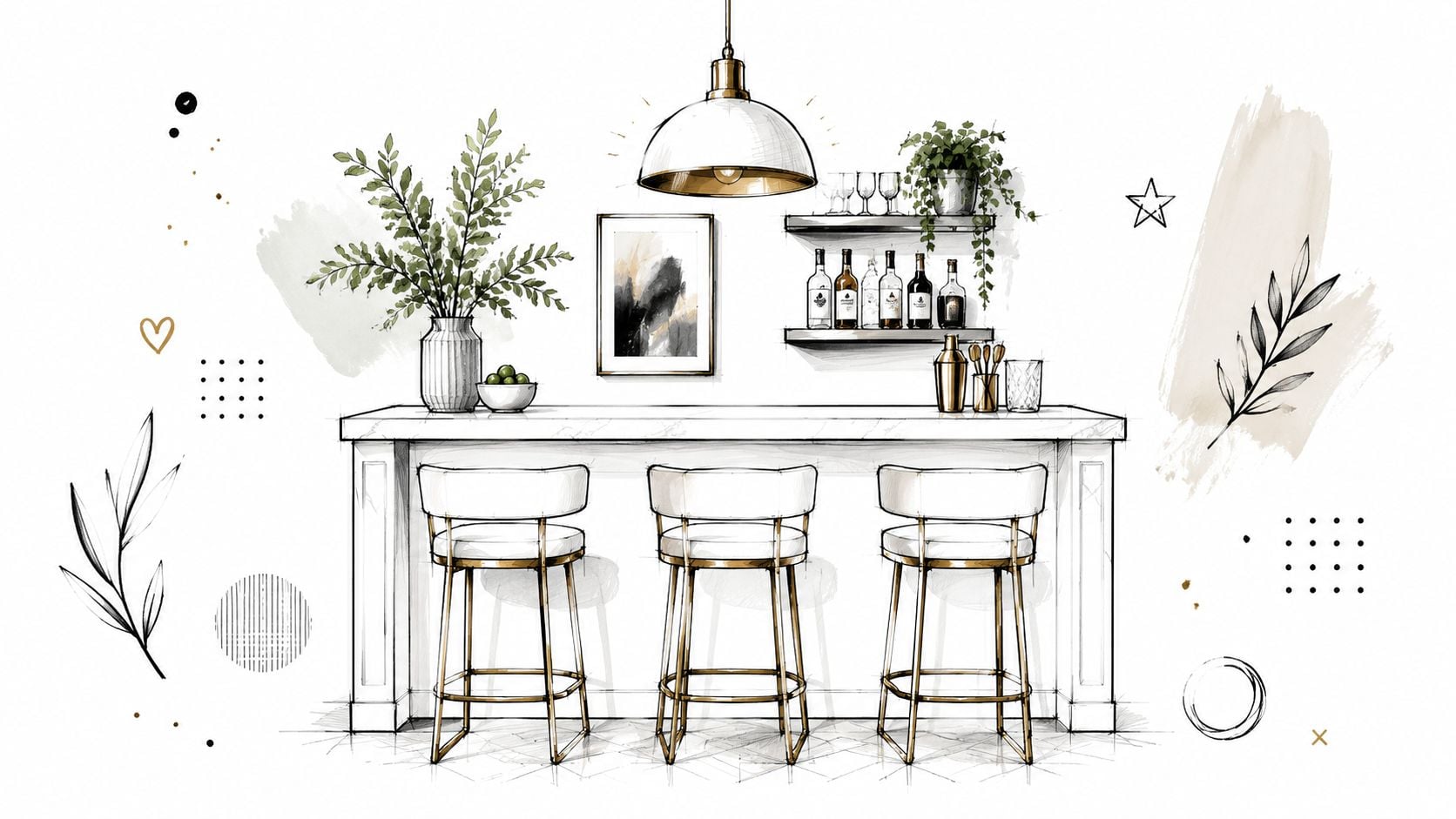
Choose stools for comfort first
The most attractive stool in the room is useless if people avoid sitting in it. Comfort needs to lead the decision.
Start with the table's intended use. If the table is for quick coffee and short conversations, a simpler stool can work. If it's replacing a breakfast table or serving as everyday dining, a back and a supportive seat matter more.
Good pairings often follow these style directions:
- Warm wood stools: Soften a bright white top and keep the room from feeling cold.
- Metal-framed stools: Add crisp contrast and work well in more modern spaces.
- Upholstered stools: Make the setup feel more like real dining, especially in open-plan homes where the table gets long use.
- Backless stools: Save visual space, but only if comfort needs are modest.
A stool should also visually support the table. Delicate stools under a heavy top feel flimsy. Thick, bulky stools under a slim white table can overpower it.
A white table needs balance around it. Wood adds warmth, metal adds edge, and upholstery adds comfort. Pick the missing ingredient in the room.
Use lighting to define the zone
Lighting turns a bar table from extra furniture into a destination. In open-plan homes, that's especially important. The right pendant or small grouping overhead tells the eye that this area has a purpose.
A few rules keep lighting in scale:
- Match the fixture to the table shape. Linear fixtures suit rectangular tops. A single pendant or tight cluster works better above round tops.
- Keep the look proportional. If the fixture dominates the table, the room starts to feel top-heavy.
- Use lighting to support use. Breakfast spots need clarity. Evening entertaining benefits from a warmer, softer mood.
For homeowners building a layered lighting plan, Home AV Pros lighting control expertise offers helpful context on how lighting control affects comfort and day-to-night usability.
Placement matters just as much as fixture style. A pendant hung too high loses presence. Too low, and it blocks sightlines across the room. This guide to lamp height over a dining table helps shoppers think through hanging scale and visual balance before installation.
Layout Ideas for Small and Open Plan Spaces
A white bar table is one of the most efficient pieces for a home that needs flexibility. Demand is strong for compact, multifunctional, and height-flexible options, but many shoppers still don't get clear guidance on how to choose a footprint that avoids cramped circulation and supports real use, as highlighted in this look at compact bar table planning.
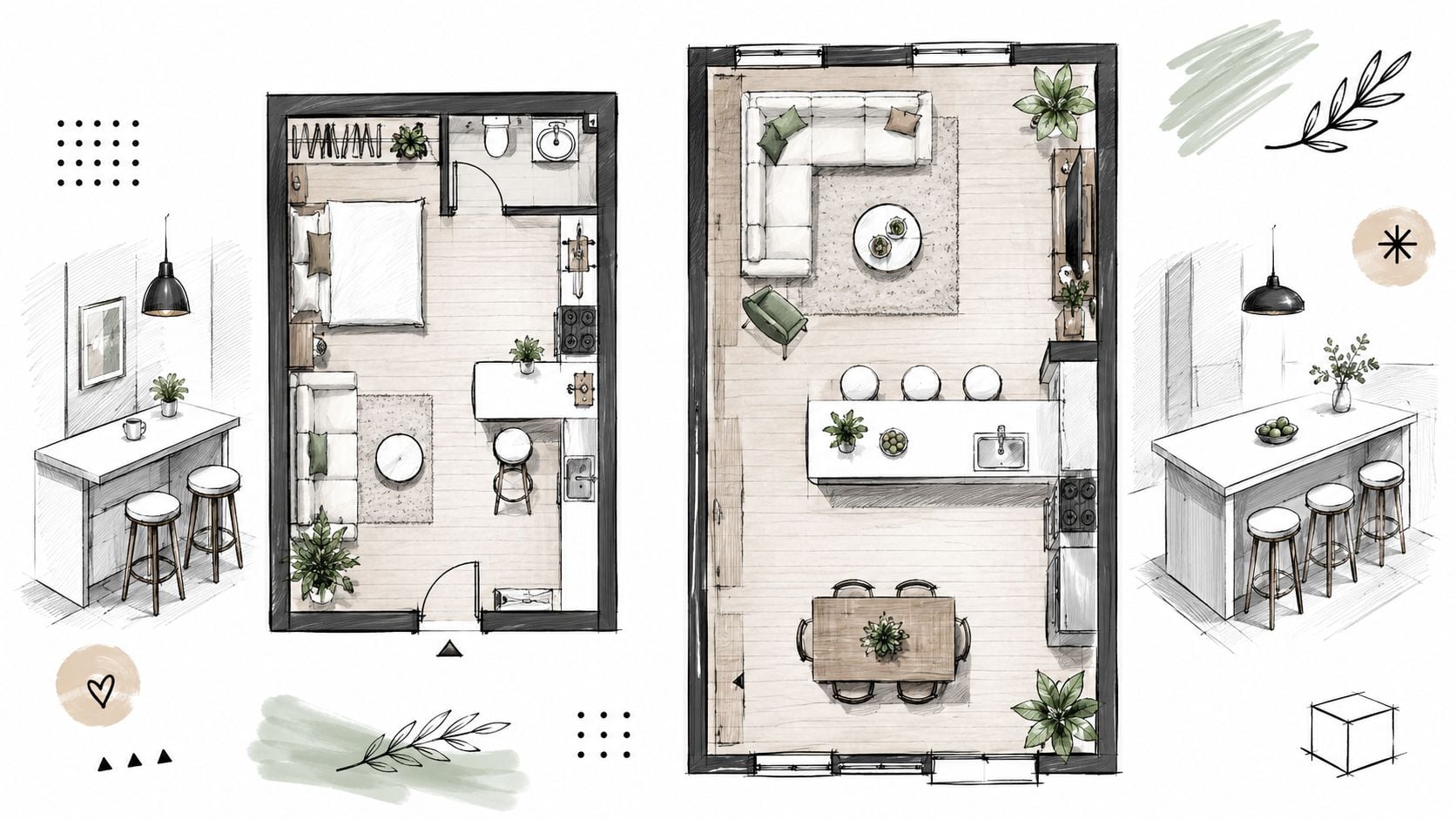
Three smart ways to place a white bar table
The strongest layouts use the table to solve a specific problem. They don't just fill empty space.
Against a wall
This is the smartest move for a narrow kitchen, apartment dining edge, or breakfast nook. A rectangular white bar table can create a clean perch for coffee, casual meals, and laptop overflow while preserving the center of the room.
Between kitchen and living zones
In an open-plan home, the table can act as a visual divider without blocking light or conversation. That's often better than adding heavier furniture that chops the room into pieces. For readers exploring broader open plan kitchen ideas, the same principle shows up again and again. Define function without closing the space.
In a corner as a conversation spot
A round or compact square bar table can turn an underused corner into a social area. This works well when the goal isn't formal dining, but a flexible spot for drinks, snacks, or catching up and unwinding.
How to keep the room from feeling cramped
Layout success depends on restraint. A table that technically fits can still make the room feel crowded.
The best test is physical. Tape the footprint on the floor, pull out a few chairs or stools to mimic seating, and walk the room during normal routines. Open the refrigerator. Pass through the kitchen. Sit and stand. That quick test exposes problems faster than any product photo.
A few decisions help immediately:
- Choose a lighter visual profile: White already helps the room feel open, but slim legs and a less bulky base preserve that effect.
- Keep nearby storage calm: If the table sits near counters, open shelving, or a pantry edge, visual clutter around it will make the whole zone feel busier.
- Let one piece do the work: If the bar table is the anchor, don't crowd it with oversized decor, extra seating, or a heavy rug that fights its footprint.
Rooms feel better when every piece has a job. A white bar table works best when it serves as dining, overflow workspace, and entertaining surface without asking the room to sacrifice movement.
Care Custom Options and Expert Help
Once the right table is in place, care should stay simple. Wipe spills quickly, use soft cleaning materials, and avoid treating every white finish the same. Laminate, painted wood, faux marble, and natural stone each respond differently, so the right routine depends on the material chosen.
Some shoppers also hit a common wall. They find the right height, but not the right finish. Or the right top, but not the right stool pairing. That's where custom choices make sense. Fabric, finish, and configuration options can turn a close-enough piece into one that suits the home.
The category itself is fairly standardized in height because bar tables generally sit in the 35 to 43 inch range across residential, hospitality, and event use, which helps explain why the right piece can work in so many settings, as shown in this overview of commercially standardized bar table dimensions.
For shoppers who want one compact option to consider, the Traditions White Drink Table is relevant because it offers a white-finished accent-style surface that can support smaller entertaining or flexible-use spaces. It's not a full dining-height answer for every room, but it fits the same clean, adaptable design direction.
The last point is simple. Measurements, finish samples, and room photos beat guesswork every time. Good furniture choices don't come from hoping a piece will work. They come from checking how it will live in the home before it arrives.
For shoppers ready to move from ideas to a real room plan, Miller Waldrop Furniture & Decor offers a practical next step. Bring room measurements, photos, and a list of how the table needs to function. The design staff in Lubbock, Hobbs, and Ruidoso Downs can help narrow the right height, finish, stool pairing, and scale so the final choice fits the home instead of becoming another almost-right purchase.