

Living Room Furniture for Sale: An Expert Buyer’s Guide

An empty living room can make a house feel unfinished. A mismatched one can feel even worse. One recliner from a hand-me-down, one bargain coffee table that never fit, a sofa that looked fine online but swallows the room in person. That's a common starting point when searching for living room furniture for sale.
This category feels overwhelming because it matters. The living room is where people land after work, gather on holidays, watch the game, host neighbors, and stretch out on quiet Sunday afternoons. It's also the largest furniture segment in the U.S. market, with Statista projecting living room furniture at US$75.33 billion in 2026 according to Statista's U.S. furniture market outlook. That size tells the story. People spend real thought and real money here because this room carries real weight.
For families in West Texas and Southeastern New Mexico, the decision has another layer. Furniture has to stand up to dust, sun, busy households, and the kind of daily use that comes from living in a home, not staging one. Before shopping starts, many households also need a clean exit plan for older pieces. When a sofa is still usable, practical resources like charities that pick up furniture for donation can help keep good furniture in circulation instead of sending it straight to the curb.
Table of Contents
- Your Journey to the Perfect Living Room Begins Here
- First Steps Defining Your Living Room's Style
- Mastering Your Room's Layout and Furniture Scale
- A Guide to Furniture Quality and Materials
- Investing Smartly in Brands and Your Budget
- Expert Guidance at Our Local Showrooms
- Your Home Awaits Your Personal Touch
Your Journey to the Perfect Living Room Begins Here
Most shoppers aren't starting with a blank slate and a perfect plan. They're starting with friction. A recent move. A room that never came together. Kids who outgrew the old setup. A loveseat that was fine in the apartment but looks lost in a family room.
That's normal. Good rooms rarely happen by accident. They happen when someone stops shopping piece by piece and starts making decisions in the right order.
Practical rule: Buy the room around real life first. Style comes second, and trends come last.
A strong living room usually starts with three questions.
- Who uses it every day. A formal seating arrangement sounds nice until nobody wants to sit in it.
- What happens there most often. Movie nights, conversations, naps, reading, gaming, and guests all need different seating plans.
- What irritates the household now. Too little seating, no place for drinks, harsh fabric, bulky arms, poor traffic flow, or a table with sharp corners can all push a room off track.
For this region, practical decisions matter more than showroom fantasies. A bright white sofa in a high-traffic home with dust, pets, or young kids is usually a bad decision. A giant sectional bought without measuring is another one. So is choosing a coffee table before choosing the main seat.
The smartest buyers treat the room like a system. Sofa, chairs, tables, storage, lighting, and walkways all have to work together. That doesn't mean the room needs to match. It means it needs to make sense.
The goal is comfort with a backbone
A living room should feel welcoming, but it also needs structure. Every piece should earn its footprint. If a chair blocks movement, it's wrong. If the media console is too small for the wall, it's wrong. If the sofa is so deep that nobody can pass behind it, it's wrong.
People searching for living room furniture for sale don't need more options. They need a filter. The rest of this guide gives one.
First Steps Defining Your Living Room's Style
Shopping gets easier the moment a household stops asking, “What's on sale?” and starts asking, “What does this room need to do?” That's the dividing line between random buying and a room that functions well.
Start with function before aesthetics
A living room for empty nesters won't be planned the same way as one for a young family. A home that hosts Bible study or game day needs different seating than a room used mostly for evening TV and reading.
These prompts help narrow the brief fast:
- Gathering size. Does the room need to seat two people comfortably, or a crowd without dragging in dining chairs?
- Daily wear. Will this furniture handle kids, pets, boots, snacks, and spills?
- Posture and comfort. Do people sit upright and visit, or sink in and stay for hours?
- Flexibility. Should pieces move around easily for guests, holidays, or a changing layout?
Households that answer those accurately waste less money.
For color decisions, a palette should support the room's use instead of fighting it. Warm neutrals, grounded earth tones, and layered textures usually hold up better over time than a trendy color obsession. A practical guide to choosing a living room color palette can help connect furniture finishes, wall color, and textiles before purchases begin.
Four styles that actually help shoppers choose
Many shoppers don't need a design lecture. They need simple style categories that point them in the right direction.
Modern works best for people who like clean lines, open space, and less visual clutter. Think sleeker silhouettes, simpler arms, restrained color, and furniture that looks intentional instead of ornate.
Transitional is the safest choice for most homes. It blends classic comfort with cleaner shapes, so it doesn't date quickly and doesn't feel cold. This is often the sweet spot for families who want the room to feel current without chasing trends.
Farmhouse or casual rustic fits homes that lean warm, familiar, and relaxed. Wood tones, softer upholstery, and approachable shapes do the heavy lifting here. It can go wrong fast if every piece looks themed, so restraint matters.
Traditional suits people who want more shape, more tailoring, and a little formality. Rolled arms, richer wood finishes, and symmetrical layouts fit naturally here.
A room doesn't need a style label on every piece. It needs a consistent point of view.
Build a short buying brief
Before anyone shops, the room should be summed up in one plain-English statement. Something like this works well:
- Use. Family TV room with guests on weekends
- Look. Transitional with warm wood and durable upholstery
- Needs. Deep comfort, drink surfaces, better traffic flow
- Avoid. Overstuffed scale, fragile fabrics, cluttered tables
That short brief keeps a shopper grounded when the floor is full of options. It also makes showroom visits more productive because the room already has a direction.
Mastering Your Room's Layout and Furniture Scale
Most bad living rooms don't fail because the furniture is ugly. They fail because the furniture is the wrong size, in the wrong place, with the wrong spacing. Layout is where a room either starts working or keeps fighting the household every day.
Start with the room, not the sofa
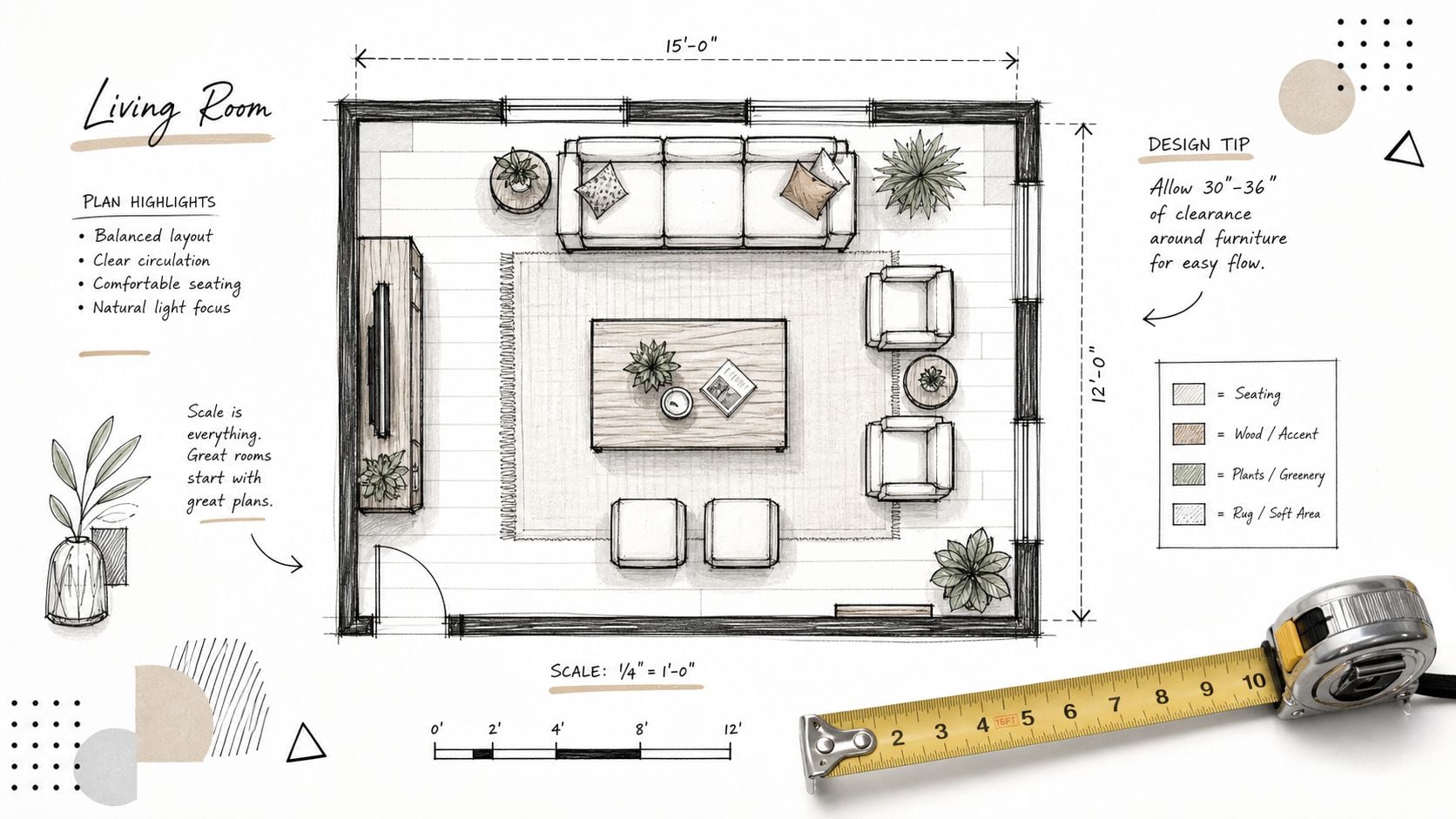
Tape the footprint of furniture onto the floor before buying anything large. That one step saves people from expensive mistakes. It shows where traffic jams will happen, where side tables can fit, and whether the room has enough breathing room for real life.
There are a few measurements worth respecting. For circulation, aim for 30 to 36 inches between large furniture pieces, with 18 to 24 inches as the lower bound in tighter layouts. A coffee table should sit about 16 to 18 inches from the sofa, and the average sofa is about 84 inches long with a 72-inch sofa often working better in smaller rooms, based on these living room measurement guidelines.
That's the difference between a room that feels easy and one that feels cramped.
A useful planning guide on living room furniture layout can help shoppers map seating, focal points, and walkways before stepping onto a sales floor.
If a room only works when every piece is shoved against a wall, the layout probably isn't solved yet.
Use awkward rooms to your advantage
Plenty of homes in this part of the country don't come with perfect rectangular living rooms. They have angled walls, big windows, corner fireplaces, columns, pass-throughs, or two competing focal points. That doesn't ruin the room. It just changes the strategy.
Here's what usually works better than forcing a giant sectional into the space:
- Float the sofa. Pulling the main seating off the wall can improve traffic flow and define the room better.
- Use round or oval tables. These soften harsh angles and make movement easier.
- Choose chairs with lighter visual weight. Open arms, curved shapes, or swivel chairs can solve tight corners.
- Mirror the architecture. If the room has an angled wall, a diagonal furniture placement can feel natural instead of awkward.
For additional ideas on making compact or tricky rooms feel warmer and more useful, Ecuadane's small space styling guide offers practical inspiration.
Scale matters more than shoppers expect
A huge sectional can make a medium room feel smaller. A tiny loveseat in a larger room can look like it was borrowed from somewhere else. The fix is proportion.
Use these checkpoints:
- Match the main seat to the room volume. Don't buy a deep, overbuilt sofa for a shallow room.
- Leave room for function. Coffee tables, end tables, and lamp access need real space.
- Let walls breathe. Furniture doesn't need to fill every inch to make the room feel complete.
The room should support movement, conversation, and comfort at the same time. If one of those breaks, the layout still needs work.
A Guide to Furniture Quality and Materials
Pretty furniture can still be cheap furniture. The look pulls people in. The construction decides whether the piece earns a place in the house.
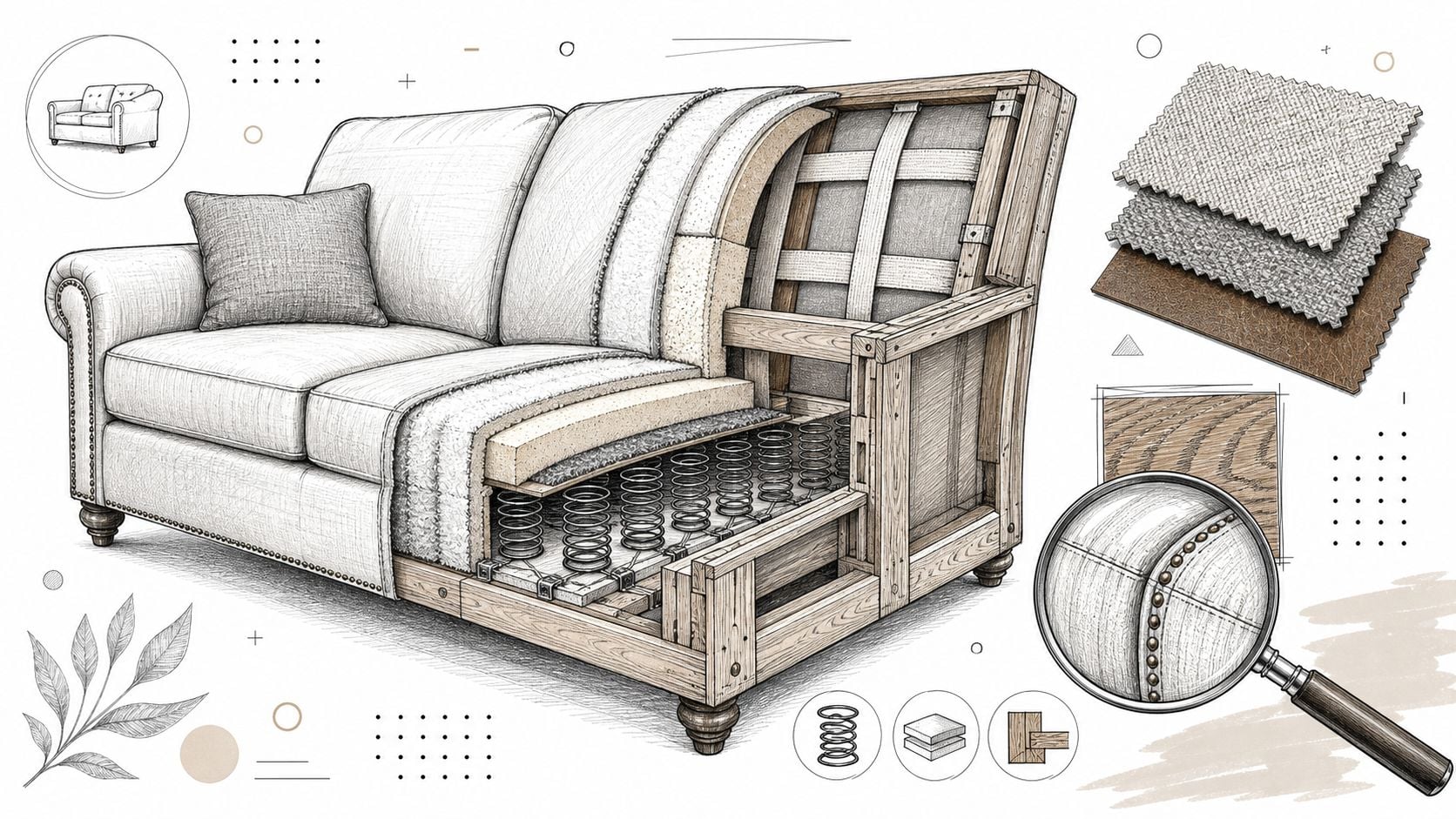
What to inspect before buying
The first place to look is the frame. Buyers should ask what it's made of and how it's built. Hardwood construction generally gives better long-term stability than low-grade composite material. A sofa that flexes too much, creaks on the floor, or feels light in a bad way is sending a message.
Seat support matters just as much. Cushions can be replaced more easily than a failed support system under them. If a seat already sags on the showroom floor, it won't improve at home.
Shoppers should also inspect the tailoring.
- Check the seams. Uneven stitching, pulling, and puckering are warning signs.
- Look at pattern alignment. On patterned upholstery, sloppy matching shows rushed manufacturing.
- Lift the cushions. A clean deck, consistent fabric application, and solid feel underneath are all good signs.
- Sit in every position. Center seat, corner seat, and edge seat comfort can vary a lot.
A practical reference on how to choose upholstery fabric helps shoppers compare softness, cleanability, and wear before they commit.
Good upholstery should fit the life of the home, not the fantasy of the showroom.
Upholstery Material At-a-Glance
| Material | Pros | Cons | Best For |
|---|---|---|---|
| Leather | Ages with character, easy to wipe, strong visual presence | Can show scratches, may feel warm or cool with temperature changes | Adults, lower-clutter rooms, buyers who want long-term character |
| Performance fabric | Easier everyday maintenance, family-friendly, broad style range | Feel and texture vary widely by fabric | Busy households, pets, kids, heavy daily use |
| Chenille | Soft hand, inviting texture, cozy look | Can show wear on high-rub areas | Relaxed family rooms and softer style directions |
| Linen-blend upholstery | Light, airy appearance, tailored look | Can wrinkle, may not suit rough use | Lower-traffic spaces and cleaner, calmer rooms |
| Microfiber-type upholstery | Usually forgiving, comfortable, practical for routine use | Some versions can look flat or overly casual | Everyday TV rooms and homes that want easy upkeep |
Materials should match the region
West Texas and Southeastern New Mexico homes need common-sense material choices. Strong sunlight can be hard on some finishes and fabrics. Dust shows more quickly on certain colors and textures. Dry conditions can make neglected leather and wood look tired before their time.
That doesn't mean households should avoid natural materials. It means they should choose them on purpose. Medium tones often hide day-to-day dust better than very dark or very light surfaces. Textured fabrics can be more forgiving than slick weaves. Wood finishes with some grain character tend to wear more gracefully than surfaces that try too hard to look flawless.
Quality isn't one feature. It's the sum of frame, support, tailoring, fabric, cushion feel, and how well the piece fits the way the room is used.
Investing Smartly in Brands and Your Budget
People often say they're “on a budget” when what they really mean is they don't want to waste money. That's a smart instinct. The mistake is treating the lowest price as the safest move.
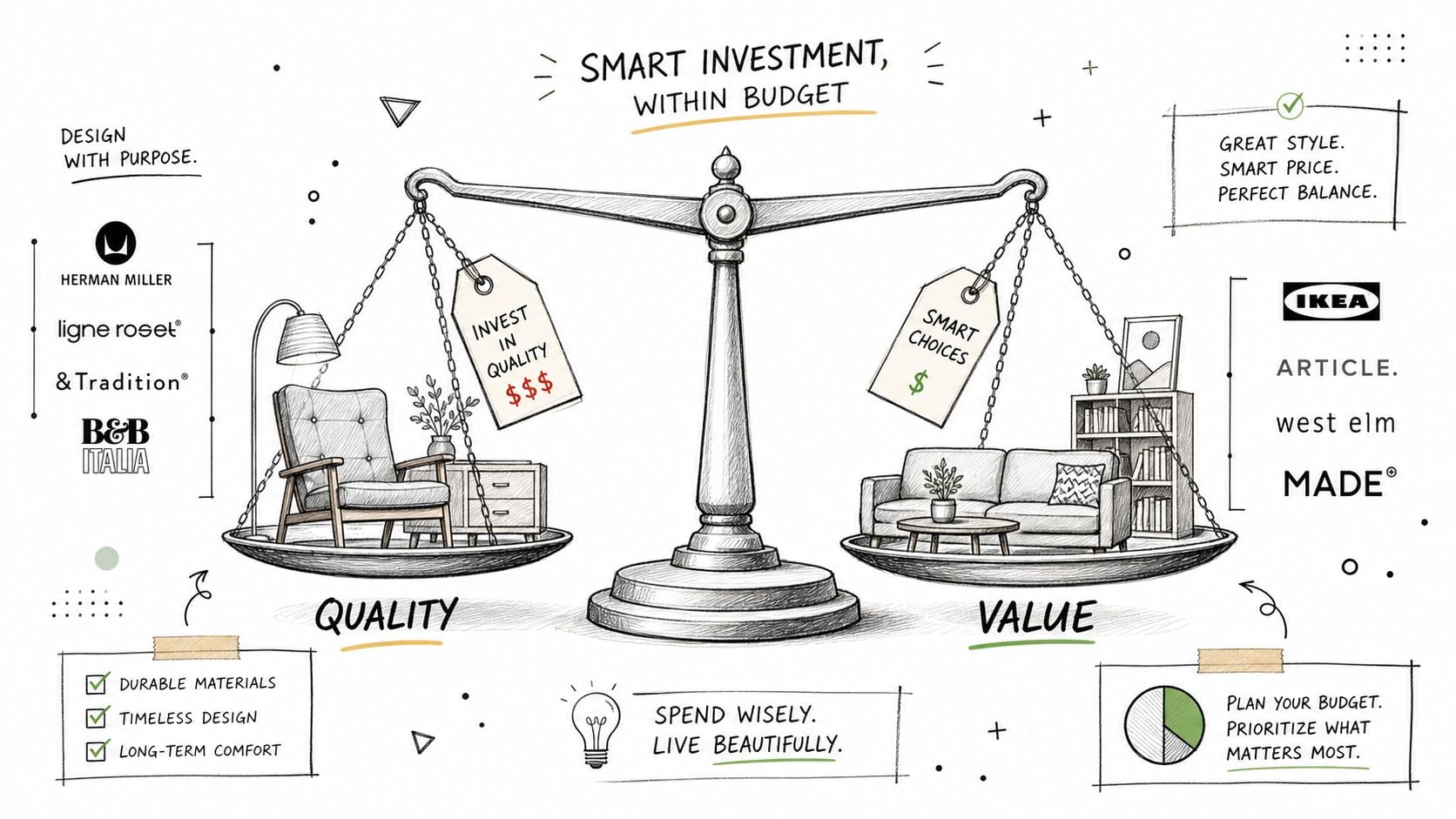
Value is more than the ticket price
A better way to shop is to measure value through three filters. How long the piece should last. How fast it needs to arrive. How much risk the household is willing to accept on comfort, construction, or return limitations.
That trade-off is a key issue in this category. As noted in this discussion of clearance living room shopping, modern shoppers often have to weigh clearance prices, quick in-stock delivery, and long-term durability, along with financing and a store's price promise.
That's the right framework.
- Clearance works well when the room needs a fast solution and the shopper already knows the style and scale fit.
- In-stock furniture works well when timing matters, such as a move, closing date, or family gathering.
- Long-term investment pieces work well when the room is a daily-use anchor space and comfort can't be compromised.
The cheapest sofa in the room can become the most expensive one if it has to be replaced too soon.
When in-stock beats custom, and when it doesn't
In-stock furniture is practical. The shopper sees the exact piece, knows the finish and fabric, and can often solve a room quickly. That matters in this region, where families may be furnishing a home after a move, replacing worn seating before the holidays, or preparing for guests.
Custom ordering earns its place when the room has a clear plan and the household wants the right scale, the right fabric, and the right configuration instead of the fastest option. It takes more patience, but it can prevent compromise.
For brand-conscious buyers, names matter less than what those names stand for. Strong reputations usually signal more consistent engineering, tested comfort, and better attention to fit and finish. Miller Waldrop Furniture & Decor offers curated living room options, financing, and a Low Price Promise for shoppers comparing quality, timing, and budget in one place.
The strongest budget isn't the smallest number. It's the plan that gets the room done once, done correctly, and done with fewer regrets.
Expert Guidance at Our Local Showrooms
Online shopping is fine for browsing. It's weak for comfort, scale, color accuracy, and construction judgment. Living room furniture is still something people should sit in, walk around, and inspect from the back as well as the front.
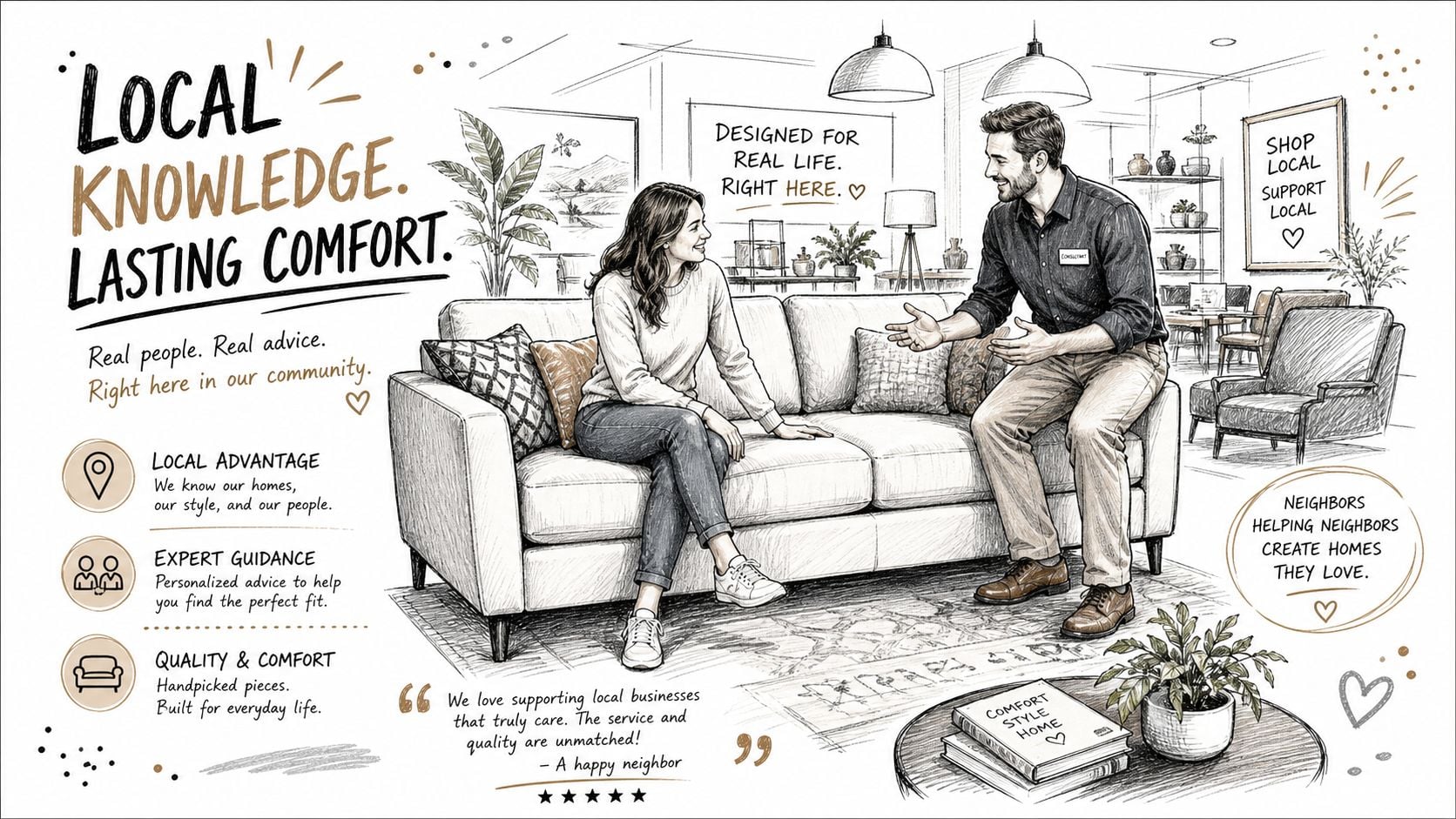
Why showroom shopping still matters
A sofa can look perfect in a product photo and feel wrong within ten seconds. Seat height may be off. Arm width may eat up too much room. The fabric may feel rougher, shinier, or flatter than expected. A recliner may need more space behind it than the room can give.
That's why local showroom visits matter for shoppers in Lubbock, Hobbs, and Ruidoso Downs. The room can be discussed with a real person who knows the region, understands common floor plans, and can help sort through what fits the household instead of what only looks good online.
What local guidance solves faster
A useful showroom conversation can clear up problems that stall buyers for weeks.
- Measurement confusion. Staff can help translate room dimensions into actual furniture footprints.
- Fabric hesitation. Touching several upholstery options side by side usually makes the right choice obvious.
- Style drift. A shopper who starts modern and ends up rustic without meaning to often needs someone to pull the room back into focus.
- Delivery planning. Local households often care just as much about timing, access, and setup as they do about style.
Sometimes the best help isn't a product recommendation. It's a correction. A consultant may point out that the room needs two chairs instead of a loveseat, or a smaller sofa instead of a sprawling sectional, or a storage ottoman instead of a sharp-edged coffee table. That's useful advice because it keeps the room honest.
Your Home Awaits Your Personal Touch
A good living room doesn't come from luck. It comes from making a handful of smart decisions in the right order. Define how the room needs to live. Measure it carefully. Buy for scale. Inspect quality. Weigh value, timing, and durability without getting distracted by a tempting sticker price.
The biggest mistake shoppers make is buying furniture as isolated objects. The better approach is to build a room that works as a whole. That matters because matching sofa scale to room volume preserves circulation and keeps the room from feeling crowded, while an oversized sofa can push furniture against the walls and shrink usable floor area, as explained in these living room sizing guidelines from Houzz.
A finished home also needs continuity from room to room. Once the living room is grounded, many households turn to the bedroom next, and soft finishing touches like layered textiles can help elevate your bedroom aesthetic without overcomplicating the space.
The next move should be simple. Start by narrowing the main seat, then build outward. Shoppers ready to browse practical options can explore sofas or compare larger family-friendly sectionals for a room that needs more seating and stronger layout definition.
A well-planned living room feels better every single day. To turn ideas into a room that fits the home, visit Miller Waldrop Furniture & Decor to browse living room furniture, compare styles in person, and get help choosing pieces that match the space, the schedule, and the way the household lives.