

Organic Modern Design: A Guide to Warm, Livable Style

A lot of people want the same thing from their home. They want it to feel clean, simple, and current, but not cold. They want calm without emptiness. They want a room that looks polished when guests stop by, yet still feels like the right place for movie night, homework, naps, and everyday life.
That tension is where Organic Modern design makes so much sense. It gives modern spaces their clarity, then softens them with wood, stone, linen, texture, and light. The result feels settled instead of stark.
For families in West Texas and Southeastern New Mexico, that balance matters even more. A beautiful room still has to hold up to real routines. Sofas need to feel good at the end of a long day. Dining tables need to work just as well for quick breakfasts as they do for holidays. Bedrooms need to look serene and support better rest.
Organic modern design can do all of that when it's approached as a livable style, not a showroom fantasy. The most successful rooms aren't packed with expensive statement pieces. They're built from smart choices, useful layers, and materials that feel natural in both look and use.
Table of Contents
- Welcome to a Warmer Modern Home
- What Is Organic Modern Design
- The Core Principles of Organic Modern Style
- Choosing the Right Furniture and Decor
- Bringing Organic Modern to Your Home Room by Room
- Your Partner in Creating a Beautiful Home
Welcome to a Warmer Modern Home
A common scene plays out like this. Someone scrolls through photos of bright, quiet interiors with pale walls, soft wood, and oversized windows. The rooms look peaceful. Then that same person looks at a real living room with backpacks, a dog bed, toys in the corner, and a sofa that gets used every single day, and the question shows up fast. Can that style work here in reality?
It can, but only when the room is built for people first.
Organic modern design works so well because it doesn't ask a home to become precious. It asks the home to become intentional. A family might keep a simple sofa shape, add a wood coffee table with visible grain, bring in a nubby rug, and switch harsh lighting for a softer glow. The room still functions the same way, but it starts to feel grounded and restful.
A warm modern home isn't empty. It's edited.
That distinction helps people avoid one of the biggest mistakes with this style. They remove too much, keep only the hard surfaces, and end up with a room that feels unfinished. Organic modern rooms need softness, touch, and contrast. They need a reason for the eye to linger.
For anyone trying to create a calmer home without losing comfort, this style offers a practical path. It doesn't require a full remodel. It requires a better understanding of what belongs, what doesn't, and how each piece contributes to the feeling of the room.
What Is Organic Modern Design
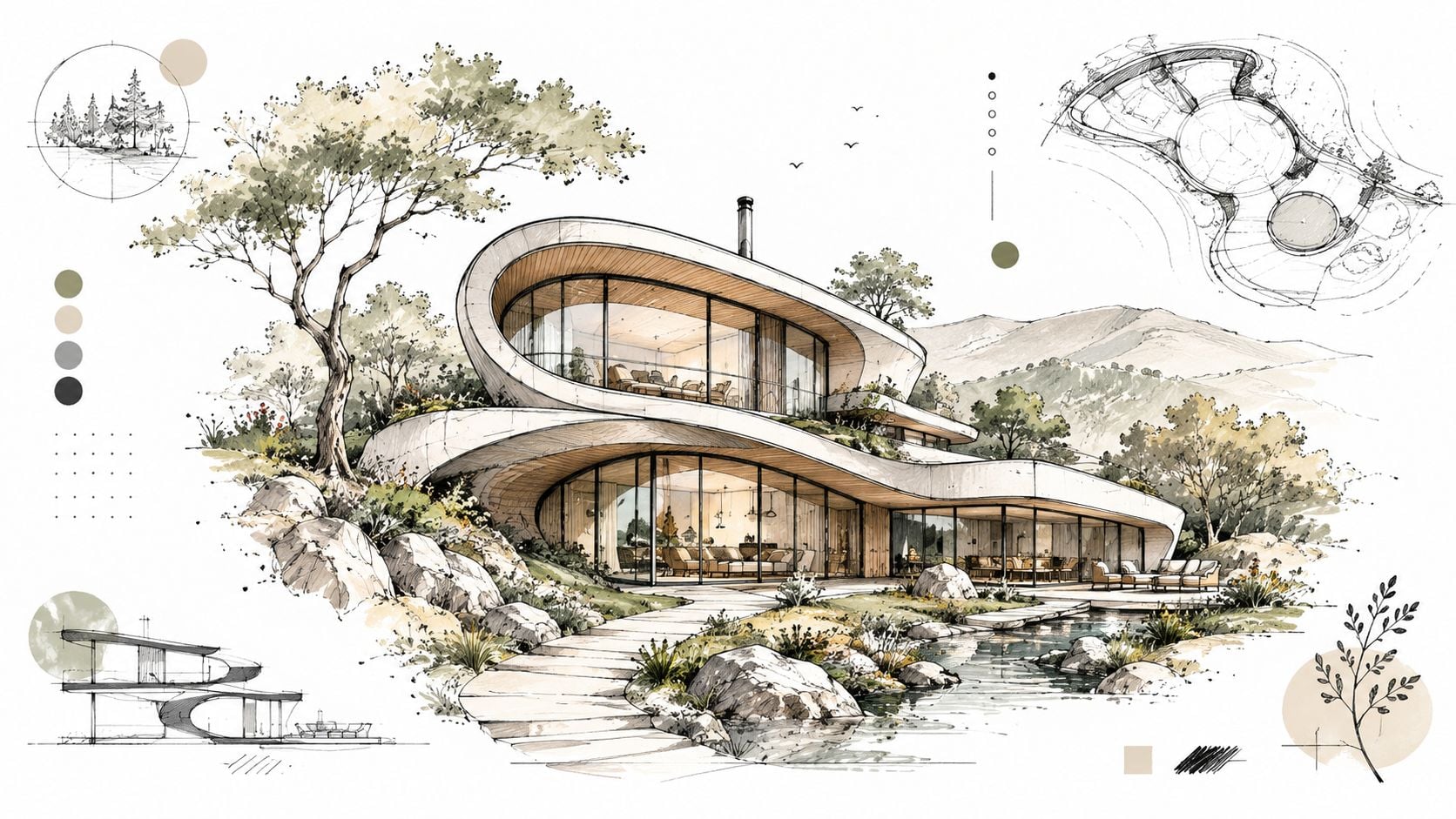
Organic modern design combines the clean structure of modern interiors with the warmth of natural forms and materials. It favors uncluttered layouts, but it doesn't chase a sharp or severe look. It keeps lines simple, then layers in surfaces and shapes that feel more human.
A style with deeper roots
This style didn't appear out of nowhere. Organic modern design is often traced to the 1941 Museum of Modern Art exhibition “Organic Design in Home Furnishings” and the philosophy of Frank Lloyd Wright, who emphasized harmony between buildings, interiors, and their surroundings, as described in this history of organic modern interior design. That history explains why the style values comfort and connection to nature over rigid formalism.
That background matters because it helps people understand what the style is trying to do. It isn't just mixing beige furniture with houseplants. It's about creating spaces that feel coherent, calm, and tied to the way people live.
What makes it different
People often confuse organic modern with a few neighboring styles. The easiest way to understand it is through contrast.
- Modernism alone can feel crisp, angular, and highly reduced.
- Rustic style can lean rough, heavy, and visually busy.
- Organic modern design sits in the middle. It keeps the simplicity of modern spaces and the warmth of natural materials.
A simple comparison helps:
| Style | Main feel | Typical issue | Organic modern response |
|---|---|---|---|
| Modern | Clean and minimal | Can feel cold | Adds texture, curves, and natural finishes |
| Rustic | Warm and earthy | Can feel heavy | Simplifies the silhouette and palette |
| Organic modern | Calm and natural | Can look flat if under-layered | Uses contrast in texture and form |
This is why a room in this style often includes large windows, neutral colors, wood tones, stone, linen, and greenery. None of those elements are there just for decoration. Each one supports a feeling of softness and ease.
Practical rule: If a room feels too sleek, add texture. If it feels too rough, simplify the shapes.
That's the heartbeat of the style. Clean lines stay. Comfort moves in.
The Core Principles of Organic Modern Style
Organic modern rooms don't rely on one signature piece. They work because several quiet decisions support each other. Shape, material, texture, and color each carry part of the load. When one of those pieces is missing, the room often feels off.
The four building blocks
The first building block is form. Organic modern design favors silhouettes that are simple but not severe. A sofa with a rounded arm feels more at home here than one with a stiff, boxy profile. A dining table with a substantial wood top and softened edges usually works better than something thin and shiny.
The second is material. This style leans into wood, stone, clay, woven fibers, and other finishes that have some visual honesty. Grain, variation, and subtle irregularity help a room feel grounded.
Third comes texture. Texture is what makes the style either come alive or fall flat. Linen drapery, a wool throw, a woven rug, a ceramic lamp base, or a leather accent all give the eye somewhere to land.
The fourth is palette. Organic modern rooms usually stay within warm neutrals and earth-driven tones. That doesn't mean every room has to be beige. It means color tends to support the materials instead of overpowering them.
| Element | Characteristics | Examples |
|---|---|---|
| Form | Clean lines, soft curves, low visual clutter | Rounded sofa, arched lamp, simple table profile |
| Materials | Natural, tactile, visually honest | Wood, stone, clay, woven fibers |
| Textures | Layered, touchable, varied | Linen, jute, wool, matte ceramic |
| Palette | Quiet, grounded, light to earthy | Warm white, sand, taupe, muted green, clay |
For readers thinking about flooring as part of this look, Flacks Flooring sustainable options offer a useful way to study how natural-looking surfaces can support a room without overwhelming it.
The texture rule that changes everything
One of the clearest professional guidelines in organic modern design is the idea of a tight material hierarchy. Organic modern interiors create warmth by using a focused mix of finishes. Pair one or two smooth structural surfaces with three or more tactile natural finishes like wood, linen, jute, or stone. This contrast-by-texture approach helps a neutral room feel layered instead of cold, as explained in this organic modern style guide.
That rule solves a problem many homeowners run into. They choose neutral paint, a neutral sofa, and a neutral rug, then wonder why the room feels lifeless. The issue usually isn't the color. It's that every surface is saying the same thing.
A better setup might look like this:
- Smooth backdrop: Matte painted wall and a simple plaster-like fireplace surround
- Natural layer one: Oak or walnut coffee table
- Natural layer two: Linen or textured upholstery
- Natural layer three: Woven rug, basket, or shade
- Optional finishing layer: Stone tray, clay vase, or greenery
When this balance is right, the room feels complete without feeling crowded.
Choosing the Right Furniture and Decor
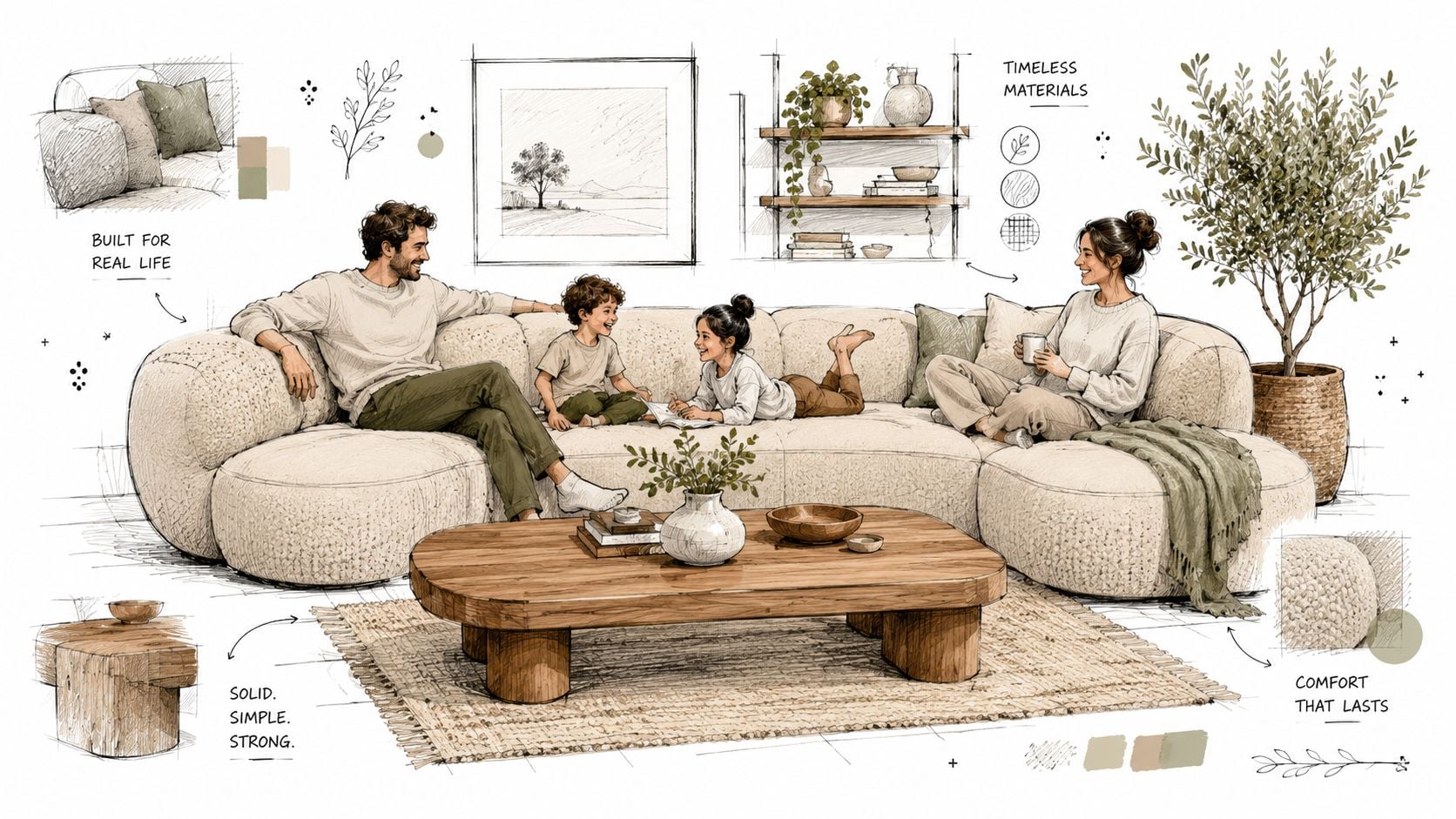
A family room in West Texas or SE New Mexico has to do more than photograph well. It needs to hold up to movie nights, sandy shoes, kids stretched across the sofa, and the kind of daily use that quickly exposes furniture that only looked good in a showroom. That is why organic modern design starts to feel realistic at the furniture level. The right pieces bring in the calm, sculptural look people love, while still feeling comfortable enough to use every day.
Start with comfort, then shape
The easiest way to choose furniture for this style is to begin with the piece your family uses most. In many homes, that is the sofa.
A good organic modern sofa works like the foundation of a house. If the foundation feels solid, the rest of the room gets easier to build. Look for a silhouette with gentle curves or softened corners, cushions that invite people to sit for a while, and a scale that fits the room without swallowing it.
That last part matters more than many people expect. Organic modern rooms often look airy in photos, but in real life, oversized furniture can make a space feel heavy and hard to live in. A sectional can still work beautifully. Just keep the lines clean and make sure walkways stay open.
Choose materials that look natural and live well
This style often gets mistaken for delicate design because it uses light colors, visible texture, and natural-looking finishes. In a livable home, those qualities should come with durability.
For upholstery, the sweet spot is fabric that has texture you can see and softness you can feel. Heathered weaves, slubby neutrals, and performance fabrics with a relaxed hand usually fit better than anything too slick or overly formal. If you are comparing options, this guide on how to choose upholstery fabric can help you match fabric texture, cleanability, and wear to the way your household lives day-to-day.
That balance is especially helpful for families who want the look of linen, wool, or bouclé without signing up for constant worry. You can get the organic modern mood without treating every seat like a museum piece.
For households that need a particular size, finish, or fabric, Miller Waldrop Furniture & Decor offers custom order options that help align the style with real-life needs such as pets, children, and heavy daily use.
Let decor do a few jobs well
Decor should support the room the way seasoning supports a meal. A little in the right place makes everything better. Too much covers up the ingredients.
Organic modern spaces usually feel strongest when each accent has a purpose. One large ceramic lamp can ground a side table. A woven tray can add pattern without introducing busy color. A soft throw can make a structured chair feel welcoming. Branches or greenery can bring life to the room without cluttering it.
A practical mix often includes:
- One substantial piece: a ceramic vase, bowl, or lamp with visual weight
- One woven layer: a basket, tray, or shade for texture
- One soft element: a throw or cushion in a natural-looking fabric
- One living touch: greenery or branches in a simple matte container
Kitchens and breakfast spaces can benefit from the same approach. If you want ideas for carrying natural texture into harder-working areas of the home, this indoor kitchen design inspiration shows how nature-based materials can keep a practical room feeling warm.
The goal is not to buy more. It is to choose better. A few durable, comfortable pieces with honest texture will usually create a more beautiful organic modern home than a room full of accessories.
Bringing Organic Modern to Your Home Room by Room
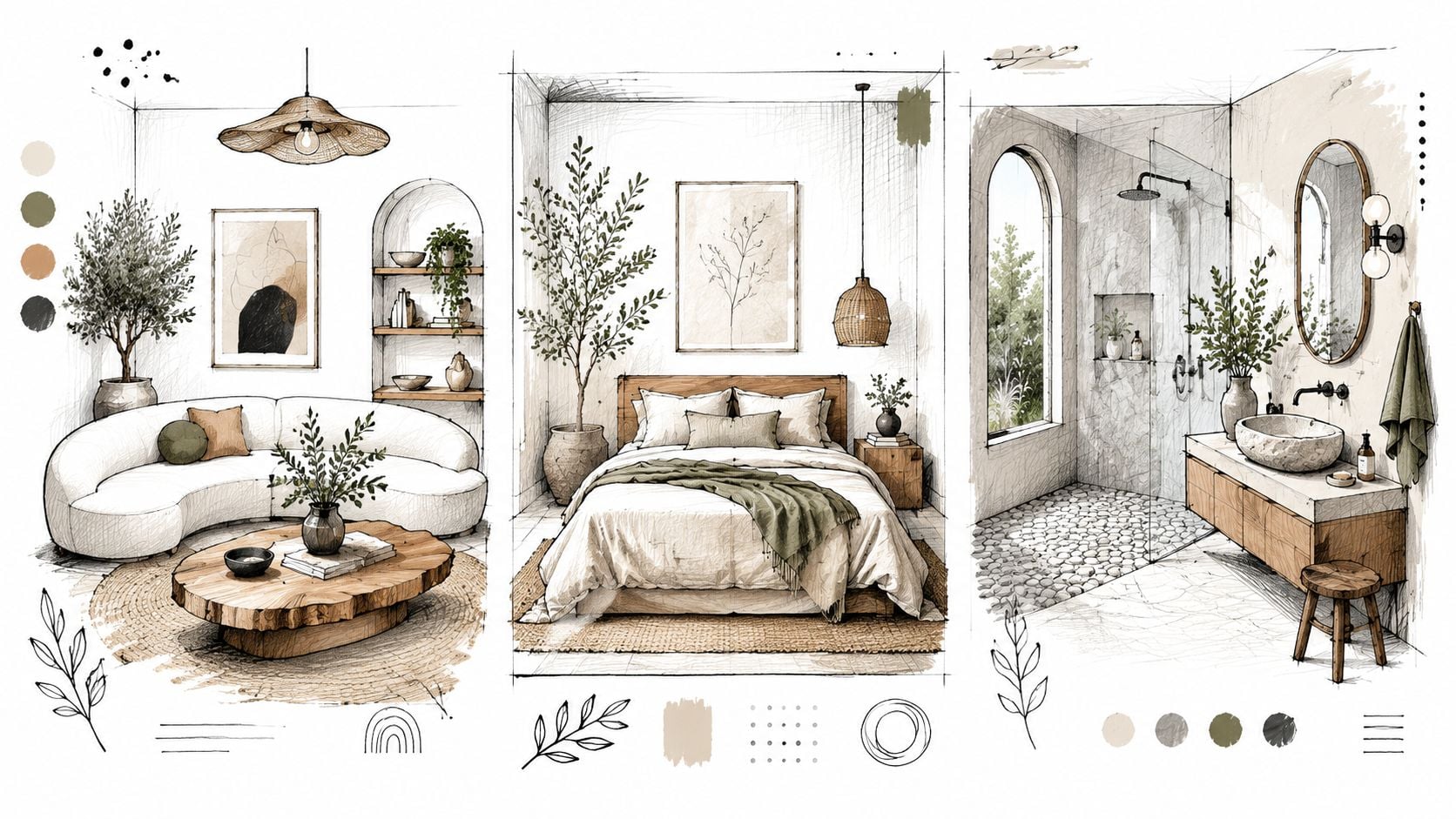
A family room in West Texas has to do more than photograph well. It may need to handle movie nights, muddy shoes, sunlight, pets, and a coffee table that turns into homework central by 4 p.m. Organic modern design can still work beautifully in that kind of home. The key is to translate the style by function, one room at a time, so it feels calm and polished without becoming precious.
A helpful way to approach it is to treat each room like it has one main job. The living room gathers people. The bedroom restores them. The dining area connects them. Once that job is clear, the materials and shapes become much easier to choose.
Living room
The living room usually works best when one strong piece sets the tone. In many homes, that piece is the sofa. If the sofa has a simple shape and a warm neutral fabric, it gives you room to add character through wood, stone, weaving, and soft curves.
That balance matters in real life. A room full of hard edges can feel stiff. A room with too many soft or rustic details can lose the clean, modern look that makes this style appealing in the first place. Organic modern sits in the middle. It works like a well-made denim jacket paired with linen. Structured, but relaxed.
For readers who want examples of that balance in practice, this collection of modern living room furniture offers a useful starting point.
A good living room checklist looks like this:
- Keep the palette steady: Let upholstery and larger case pieces stay quiet so texture carries more of the visual interest.
- Choose one material to lead: Wood, stone, or ceramic usually gives the room a clear center.
- Protect the sense of openness: Leave enough empty space around furniture so the room can breathe.
- Add one softer shape: A curved chair, rounded table, or arched mirror can relax a room full of straight lines.
Bedroom
Bedrooms carry this style well because the goal is already simple. You want the room to help you exhale.
Organic modern bedrooms feel best when the bed is the obvious focal point and everything around it supports rest. That usually means a wood or upholstered bed with clean lines, layered bedding in quiet colors, and lighting that gives off a warm glow instead of harsh brightness. Texture does most of the work here. A nubby coverlet, washed cotton sheets, or a bench with a woven seat can make the room feel rich without asking for bold pattern.
Comfort also deserves a practical check. A beautiful room does not feel restful if the mattress runs hot or the setup does not support the way you sleep. For families creating a primary bedroom that looks pulled together and still feels easy to live in, comfort and visual simplicity need to work side by side.
Dining room and kitchen connection
Dining rooms often carry the most natural character in an organic modern home because the table itself can do so much work. A wood table with visible grain brings warmth immediately. Chairs can stay quieter, especially when they add a gentle curve, a woven seat, or upholstery that softens the harder surfaces nearby.
The kitchen next to it should feel related, not identical. Matching every finish can make the space feel flat. Repeating a few cues usually works better. You might carry the same wood tone into bar stools, echo a matte ceramic finish in lighting, or keep hardware understated so the room stays calm. Readers who want to explore how nature-inspired ideas carry into cooking spaces may find this article on indoor kitchen design inspiration helpful for connecting interior warmth with everyday function.
The room feels organic modern when the materials carry the personality and the layout still supports daily use.
Making the look work on a real budget
This style can look expensive because the best versions rely on fewer, better pieces. That does not mean a family has to furnish the whole house at once.
In West Texas and SE New Mexico, a practical approach usually works better than chasing a perfect reveal. Start with the pieces your household touches every day. A comfortable sofa, a solid dining table, or a bed that supports good sleep will do more for the home than a long list of decorative extras. Then build around those anchors slowly, using finishes and accents that feel natural, durable, and easy to maintain.
A practical order often looks like this:
Choose the anchor
Start with the sofa, bed, or dining table. That piece sets the tone for the room.Add durable texture
Bring in a rug, bedding, or upholstery that adds warmth and can hold up to regular use.Use regional character
Stone, straightforward wood finishes, and handmade-looking accents often feel more grounded than faux-natural decor.Finish with restraint
A few well-chosen accessories usually look more refined than a large collection of trendy fillers.
Your Partner in Creating a Beautiful Home
Organic modern design works because it solves a real problem. It gives modern rooms more warmth, and it gives natural materials more structure. The result isn't just stylish. It's easier to live with.
That's good news for anyone who has felt pulled between two extremes. A home doesn't have to look spare to feel calm. It doesn't have to look rustic to feel welcoming. With the right mix of shape, texture, and comfort, the room can do both jobs at once.
For households that want help turning inspiration into a real plan, a guided approach often saves time and expensive mistakes. Understanding scale, fabric, layout, finish, and room flow is easier when those decisions are made in sequence. This overview of the interior design process steps gives a clear picture of how a home can move from idea to finished space.
A beautiful room isn't built by copying a photo exactly. It's built by choosing pieces that fit the people who live there. That's what makes the style last.
For anyone ready to create a calmer, more livable home, Miller Waldrop Furniture & Decor offers a practical next step. Readers can explore furniture and mattress options online, visit a showroom in Lubbock, Hobbs, or Ruidoso Downs, or connect with a design team member for help choosing pieces that fit their space, comfort needs, and budget.