

What Is a Platform Bed Frame? a Complete 2026 Guide


A platform bed is a type of bed frame with a built-in foundation, designed to support a mattress directly without a separate box spring. Because that foundation is integrated into the frame, a platform bed can also save the $150 to $300 cost of buying a box spring separately.
A lot of people in West Texas and Southeastern New Mexico reach the same point. The old bed feels too tall, the box spring squeaks, the frame looks dated, and the space under the bed is wasted. Then the shopping starts, and the confusion starts with it. Is a platform bed just a low bed? Will any mattress work? Do slats matter? Can it work with an adjustable base?
Those questions matter because the right bed frame does more than hold a mattress. It affects comfort, storage, bedroom layout, mattress life, and even warranty protection. For local homeowners and renters trying to make a bedroom feel calmer and work harder, understanding what is a platform bed frame can remove a lot of guesswork.
With more than 70 years serving families since 1952, Miller Waldrop has helped generations of neighbors sort through furniture choices that look simple at first and turn technical fast. A platform bed is one of those categories. The good news is that once the basics are clear, it becomes much easier to choose a frame that fits the room, supports the mattress correctly, and makes daily life easier.
Table of Contents
- The Modern Foundation for Your Best Sleep
- Decoding the Platform Bed Frame
- Key Platform Bed Styles for Your Home
- The Perfect Match Mattress Compatibility and Sizing
- Weighing Your Options The Pros and Cons
- Bringing It Home Your Buying and Styling Guide
- Your Platform Bed Questions Answered
The Modern Foundation for Your Best Sleep
A common bedroom problem looks like this. A family has a mattress they still like, but the base underneath it is doing them no favors. The box spring adds bulk, the frame feels shaky, and the room seems tighter than it should, especially in a guest room, apartment, or smaller primary bedroom.
That's where a platform bed starts to make sense. Instead of using a separate frame and then stacking a box spring on top, the frame itself includes the mattress support. According to Casper's explanation of platform beds and box springs, a platform bed frame has an integrated foundation that combines the bed frame and mattress support system into one unit, eliminating the need for a separate box spring. That setup can also save the cost of a separate box spring, which can run $150 to $300.
For many shoppers, that one change clears up several problems at once. Fewer pieces. Less height. Less bulk. More usable room under the bed.
Practical rule: If the frame already gives the mattress proper support, adding a box spring usually isn't part of the plan.
A platform bed also fits the way many homes are furnished now. Bedrooms often need to do more than hold a bed. They may need space for storage bins, easier cleaning, a cleaner look, or a lower profile that doesn't crowd the room visually. In a West Texas home with a larger rustic bedroom, that might mean a wood platform bed that grounds the space. In a Hobbs or Ruidoso Downs guest room, it may mean a compact frame that opens up more floor area.
What matters most is that the frame's structure does real work. A platform bed isn't just a style label. It's a support system.
Decoding the Platform Bed Frame
What makes it different
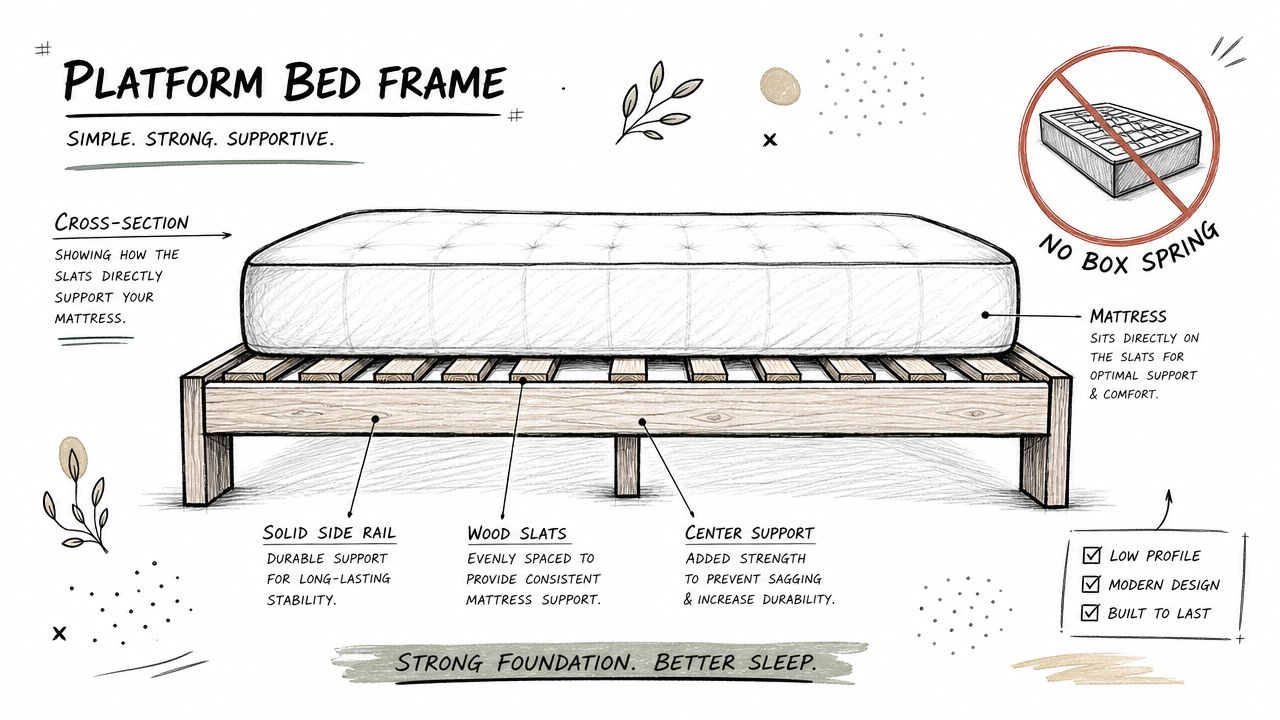
The easiest way to understand a platform bed is to think of it as an all-in-one structure. The frame and the mattress support aren't separate layers. They work together as one piece.
That's why the missing box spring isn't a downgrade. It's the point. The support surface is built in, usually as slats or a solid panel, so the mattress sits directly on the frame.
A lot of shoppers assume a platform bed is defined by looks alone, especially the low, modern profile. The look is part of it, but the function matters more. A platform bed earns the name because it supports the mattress directly.
How the support system works
A simple analogy helps. A traditional setup can act like stacked parts. A platform bed works more like one unified structure. The support is already there, so the bed doesn't need another layer to do its job.
That design changes the feel of the room, too. According to Sierra Living Concepts' platform bed frame guide, removing the box spring reduces total bed height by 8 to 9 inches compared to traditional frames. The same guide notes that this lower profile can also improve thermal regulation by allowing air to circulate more freely beneath the mattress.
That's one reason platform beds tend to feel cleaner and calmer in the room. They sit lower, look less bulky, and often help the bedroom feel more open.
Common construction options include:
- Solid wood frames bring warmth and a substantial feel. They often fit well in ranch, transitional, or rustic bedrooms.
- Metal frames usually suit simpler or more industrial looks. They can also feel visually lighter in small rooms.
- Upholstered platform beds soften the space and create a more layered, polished look around the headboard and rails.
A platform bed should look simple from the outside, but the support underneath should never be an afterthought.
When shopping in person, the easiest test is to look past the headboard and finish for a moment. Check what is holding the mattress up. That support system provides the essential information.
Key Platform Bed Styles for Your Home
Not every platform bed solves the same problem. Some are built for airflow and simplicity. Others are built to hide clutter, replace a dresser, or make a smaller bedroom work harder.
Solid platform or slatted platform
The first split is the support surface itself.
A solid platform uses a flat deck under the mattress. Some shoppers like the uniform feel and straightforward construction. A slatted platform uses evenly spaced slats across the frame. Many people prefer this style because it allows more airflow under the mattress.
Neither choice is automatically better for every room. It depends on the mattress, the design of the frame, and whether storage or breathability matters more in that household.
Minimalist frame or storage bed
The second split is about function.
A minimalist platform bed usually has a low profile and a lighter visual footprint. It works well when the room already has enough storage or when the goal is an uncluttered, modern bedroom.
A storage platform bed adds drawers, shelves, or a bookcase-style headboard. That can be a smart answer in a child's room, a condo, or a smaller primary suite where every square foot counts. For shoppers who want integrated storage, a bookcase platform bed with built-in function shows how a frame can do more than hold a mattress.
| Platform Bed Style Comparison | Primary Benefit | Best For | Consideration |
|---|---|---|---|
| Slatted platform | Better airflow under the mattress | Warm sleepers and shoppers using foam or hybrid mattresses | Slat construction and spacing need close attention |
| Solid platform | Continuous support surface | Shoppers who want a simple, uniform base | Can offer less airflow than slats |
| Minimalist low-profile platform | Clean look and open sight lines | Contemporary rooms and smaller spaces | Lower height may not suit every sleeper |
| Storage platform bed | Adds built-in organization | Apartments, guest rooms, children's rooms | Drawers need clearance to open easily |
| Bookcase or shelf platform bed | Keeps essentials close by | Readers, teens, compact bedrooms | The headboard adds visual weight |
A good style choice starts with the room's real pressure point.
- Tight on storage: A storage platform bed can reduce the need for extra bedroom furniture.
- Trying to make the room feel larger: A lower, simpler frame can visually open the space.
- Need a softer look: Upholstered platform styles can balance hard flooring or angular case goods.
- Want practical convenience: A shelf or bookcase design can keep chargers, books, or decor within reach.
The smartest choice isn't the trendiest one. It's the one that fixes the room's biggest frustration.
The Perfect Match Mattress Compatibility and Sizing
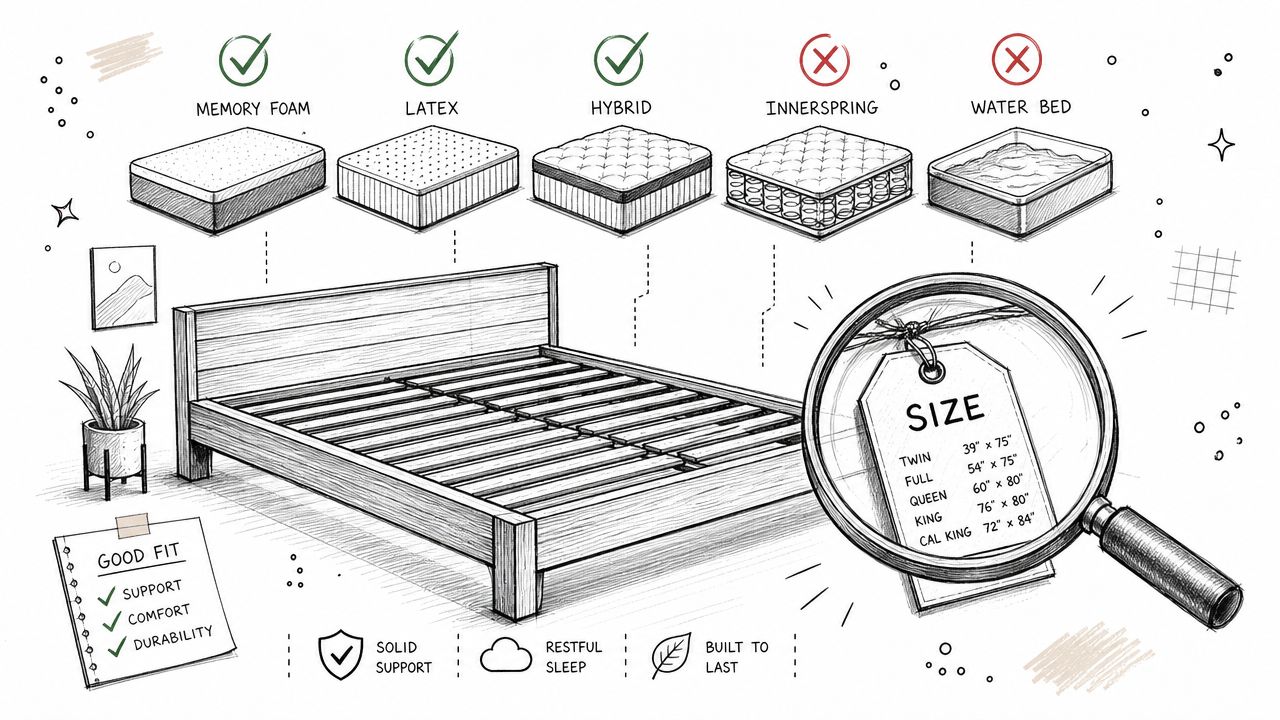
The most expensive platform bed mistake often isn't the finish or the style. It's pairing the frame with the wrong mattress support. In this context, the question “what is a platform bed frame” turns from basic definition into practical protection.
The slat spacing rule that protects the mattress
Many shoppers look at slats and only ask whether they seem sturdy. They should also ask how far apart those slats are.
According to Chairish's platform bed guide, 71% of hybrid and memory foam mattress warranties require slats to be spaced 3 inches or less apart. The same source states that a 2025 survey found 34% of mattress owners unknowingly voided their warranties by using incompatible frames.
That's a major detail because a frame can look attractive and still fail the mattress underneath it. If the spacing is too wide, the mattress may sag between slats instead of getting even support across the surface.
A quick in-store or at-home check helps:
- Measure the gaps: Don't estimate by eye. Measure from one slat to the next.
- Look for full-length support: Slats should feel secure across the width of the frame.
- Watch for movement: If the slats shift too much when someone sits or rolls on the mattress, the support system needs a closer look.
- Ask for mattress requirements: Mattress makers often specify the support conditions needed to keep warranty coverage intact.
Warranty saver: Slat spacing isn't a minor detail. It can decide whether the mattress wears evenly or fails early.
If the bed is being moved into a new home, the mattress should also arrive in good condition. For people planning a move or helping family relocate, this guide to relocating mattresses offers practical handling tips that can help prevent damage before the mattress ever reaches the new frame.
How to choose the right mattress height
Height matters more than many shoppers expect. A beautiful low-profile frame can become annoying fast if the final sleeping surface is too low or awkward to get into each day.
According to Mattress Miracle's guide to mattress profile height for platform beds, a comfortable bed entry height is typically 20 to 23 inches from the floor to the sleeping surface. That guide recommends using this formula:
Required Mattress Thickness = Target Bed Height (21 to 22 inches) − Platform Frame Height (7 to 14 inches)
That simple calculation gives shoppers a much better starting point than guessing in the showroom.
For example:
- A lower platform frame may need a thicker mattress to reach a comfortable sitting and entry height.
- A taller platform frame may pair better with a thinner mattress so the bed doesn't end up too high.
- A guest room setup may need a more middle-ground height that works for different people.
A mattress sizing guide can also help before a final purchase. A mattress size planning resource is useful for checking dimensions against room size, sleepers, and walking space.
A frame and mattress should be chosen as a pair. When one is selected without the other in mind, comfort problems usually show up later.
This is one of those categories where a few careful measurements can save a lot of hassle.
Weighing Your Options The Pros and Cons
Platform beds solve several common bedroom problems well, but they aren't perfect for every household. A balanced look helps shoppers avoid buying on looks alone.
Where platform beds shine
The biggest advantage is simplicity. A platform bed removes the need for a separate box spring, which cuts bulk and can reduce setup costs. It also creates a cleaner silhouette that works well in many West Texas and Southeastern New Mexico homes, from more traditional spaces to updated, contemporary bedrooms.
Quality matters here. According to NapLab's guide to platform beds, entry-level platform beds start around $200, while typical flat-packed bed frames often average a lifespan of 5 to 7 years. The same guide notes that some well-built platform beds with rigid foundations can support up to 600 pounds.
That makes the long-term value argument pretty clear. A sturdy frame often lasts longer and feels more stable day to day.
Where shoppers need to be careful
The lower profile isn't ideal for everyone. Some sleepers love it. Others may find a very low bed less comfortable to sit on or get in and out of.
There's also a quality gap in the market. Two frames may look similar online, but one may have stronger rails, better slat support, and fewer weak points. That's why shoppers should inspect the support system, joinery, hardware, and overall rigidity instead of focusing only on finish color or headboard shape.
Useful questions to ask before buying include:
- How solid is the support deck: The answer matters more than decorative details.
- How much weight can the frame handle: Capacity should match the mattress and sleepers.
- Will the frame stay tight over time: Fewer weak connection points can mean fewer future squeaks.
- Does the height fit the household: A lower bed should still feel comfortable in daily use.
The strongest platform bed purchase usually comes from judging the frame like a piece of working furniture, not just bedroom decor.
Bringing It Home Your Buying and Styling Guide
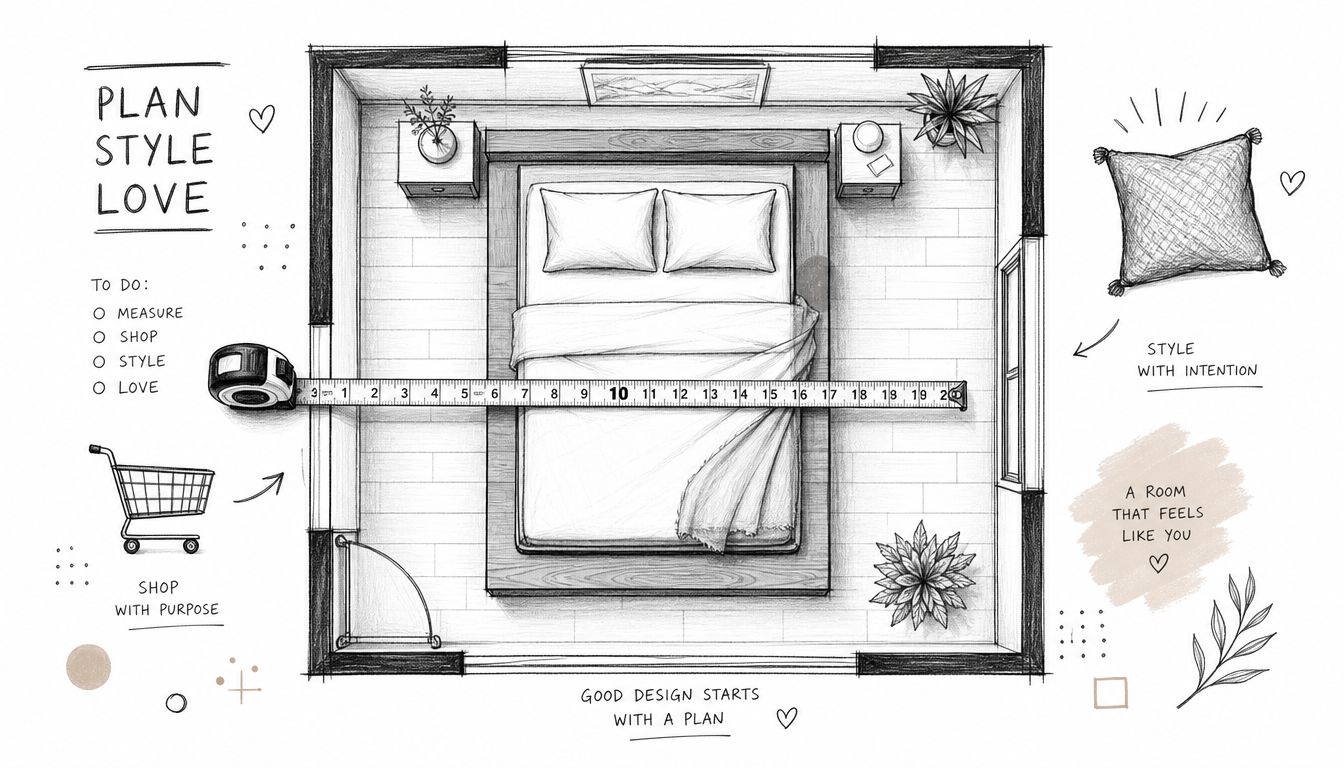
Once the frame type is clear, the final choice comes down to fit, function, and finish. This part is less about trends and more about how the bed will live in the room every day.
A simple shopping checklist
Before visiting a showroom, it helps to write down a few room facts.
- Measure the wall length: This tells whether the bed will overpower the room or fit comfortably with nightstands.
- Check walking space: Leave enough room to move around the bed without squeezing past corners.
- Think through storage needs: If the room lacks closet or dresser space, built-in drawers or shelves may do real work.
- Match the bed to the mattress plan: The frame shouldn't be chosen in isolation.
One practical example is a bed with shelves for added bedroom storage. A piece like that gives shoppers another way to combine sleeping space and everyday function without adding extra furniture.
This is also the point where a local showroom visit can save time. Miller Waldrop Furniture & Decor offers platform bed options alongside mattresses, which makes it easier to evaluate bed height, support feel, and bedroom scale together rather than guessing from separate purchases.
Styling ideas that suit local homes
A platform bed has clean lines, so the styling around it matters.
For a warmer regional look, shoppers often pair wood platform frames with textured bedding, layered neutrals, and substantial nightstands. For a more refined bedroom, upholstered platform beds usually work well with softer lighting, a bench at the foot of the bed, and simple accent pieces that don't crowd the frame.
A few practical styling moves help almost any room:
- Use taller bedding for visual balance: This can soften the lower profile of the frame.
- Choose nightstands that feel proportional: Extremely tall nightstands can look awkward beside a low platform bed.
- Add underbed bins only if the frame allows easy access: Hidden storage works best when it's easy to reach.
- Keep the headboard wall calm: Platform beds often look strongest when the wall behind them isn't overly busy.
A platform bed usually looks best when the room around it feels intentional, not overfilled.
The right frame should help the room feel easier to live in, not just better in a photo.
Your Platform Bed Questions Answered
Can a platform bed work with an adjustable base
Sometimes, but shoppers shouldn't assume it will. According to Woodstock Outlet's comparison of platform and panel beds, only about 12% of platform bed frames are structurally compatible with adjustable bases, and that detail is absent in 90% of mainstream buying guides. Compatibility depends on the frame design, center support, and clearance for the motorized mechanism.
How can someone check whether the slats feel stable
A simple hands-on check works well. Look under the frame while someone sits down or changes position on the mattress. If the slats visibly shift or flex too much, the support may not be adequate. That kind of movement deserves a closer inspection before purchase.
Is a platform bed only for modern bedrooms
No. The support style is functional, not tied to one decorating look. Platform beds come in wood, metal, upholstered, storage, and bookcase styles, so they can fit rustic, traditional, transitional, or contemporary homes.
Is a platform bed a smart first purchase
For many shoppers, yes. It simplifies the setup, reduces extra layers, and can make a bedroom more efficient when chosen with the right mattress and room layout in mind.
For anyone ready to compare frame styles, check bedroom fit, or pair a platform bed with the right mattress, Miller Waldrop Furniture & Decor offers a practical next step. Local shoppers in Lubbock, Hobbs, and Ruidoso Downs can explore bedroom furniture in person, ask detailed support questions, and use experienced guidance to choose a bed that fits their space, sleep needs, and daily routine.