

Custom Fabric Upholstery: Design Your Unique Furniture

A sofa search often starts with excitement and ends with compromise. The shape is right, but the fabric feels flimsy. The color works, but the seat is too deep for everyday comfort. The scale fits the room, but the arms are all wrong for afternoon naps, family movie nights, or the dog that has already claimed one corner.
That's where custom fabric upholstery becomes useful. It gives homeowners and renters a way to stop choosing the “closest option” and start building around real life. In West Texas and Southeastern New Mexico, that usually means balancing beauty with dust, sunlight, busy households, and furniture that needs to work hard every day.
Table of Contents
- Your Vision Your Furniture
- What Custom Upholstery Really Means
- Decoding Fabric Types and Performance
- How to Choose the Right Fabric for Your Home
- The Custom Order Journey with Miller Waldrop
- Understanding Pricing and Long-Term Value
- Your Custom Upholstery Questions Answered
Your Vision Your Furniture
A common living room problem looks simple on the surface. A family wants a sofa that feels relaxed, fits the wall correctly, and doesn't show wear after a season of real use. After visiting a few stores, they usually find pieces that are almost right.
One sofa has clean lines, but the fabric feels too delicate. Another has the right color, but the seat sits too low. A third might be comfortable, yet it overwhelms the room and leaves no space for side tables. That “almost” feeling is what pushes many people toward custom fabric upholstery.
Where frustration usually starts
Most shoppers aren't asking for something extravagant. They want furniture that fits the room, supports the way the household lives, and still looks like it belongs with the rest of the home. That's a practical design problem, not a luxury problem.
Custom fabric upholstery helps solve it because it separates the key decisions. Frame style, cushion feel, fabric choice, and finishing details don't all have to come bundled in one preselected package. A homeowner can love the silhouette of one piece, the texture of another, and the durability standard of a third, then combine those priorities into one better answer.
A strong custom choice usually begins when the shopper stops asking, “What's available today?” and starts asking, “What does this room need every day?”
In a family room, that answer may be a durable woven fabric on a sofa with deep seating and forgiving texture. In a formal sitting area, it may be a more refined textile with cleaner tailoring and a quieter pattern. In a small apartment, it may be a chair that earns its place by fitting a tricky corner and adding comfort without visual bulk.
Why this feels so empowering
Custom work gives the homeowner a clearer role. Instead of reacting to whatever happens to be on the floor, they become the editor of the final piece. They can prioritize scale, comfort, performance, and style in that order, or shift those priorities based on the room.
That matters because the home feels more settled when furniture reflects the people using it. The piece doesn't just match a paint color. It supports a routine, a layout, and a way of living that feels personal.
What Custom Upholstery Really Means
A sofa can look fine at first glance and still feel disappointing the moment you sit down. The seat sinks too far. One arm feels firmer than the other. The fabric looks attractive in a swatch, then starts pulling awkwardly around corners once it is on the frame. That is usually the point where people realize custom upholstery is not just a fabric decision.
Custom upholstery is the process of rebuilding a piece from the inside out so it fits the way your home is used. Fabric matters, of course, but so do the layers underneath it. Padding, webbing, springs, stuffing, and the condition of the frame all affect comfort, support, and how well the finished piece holds up over time. That broader definition is explained in this overview of what custom upholstery involves.
A simple way to look at it is this. Fabric is the finish you see. Upholstery is the system that makes the furniture work.
What happens beneath the fabric
In our design work at Miller Waldrop, this is often where families in Texas and New Mexico get the most clarity. They may come in focused on color, then realize the bigger question is whether the chair or sofa is worth rebuilding in the first place. A strong hardwood frame often is. A weak or shifting frame usually is not, no matter how pretty the new fabric may be.
That is why a custom upholstery project usually starts with a few practical questions:
- Is the frame solid enough to keep? A well-built frame gives the project a good foundation.
- Are the springs or support layers still doing their job? If they are worn out, the seat can feel uneven or tired.
- Has the cushioning lost its shape? Flat seats, lumpy arms, and sagging backs usually point to inner materials that need replacement.
- Will this fabric work on this piece? Some materials bend around curves and welts beautifully, while others resist corners, piping, or tight seams.
That last point surprises people. A fabric can be durable and still be the wrong choice for a specific silhouette. A crisp pattern may look wonderful on a clean bench cushion and much less convincing on a highly curved chair with lots of shaping. The construction of the piece matters just as much as the fabric sample in your hand.
For a broader explanation of fibers, construction, and upholstery options, Miller Waldrop's guide to upholstery material basics and fabric types is a helpful reference.
Why the build quality matters
Good custom upholstery solves more than a style problem. It helps a piece feel right in daily life. If a family room sofa gets used for movie nights, naps, pets, and homework, the inside of that sofa needs to support all of that use. If a formal chair is used occasionally, the priorities may shift toward shape retention and appearance.
This is why custom work often feels so different from buying a ready-made piece off the floor. You are not just choosing what the furniture looks like. You are deciding how it should sit, wear, recover, and live in your home.
The same idea shows up in clothing. A good fit depends on structure as much as surface, which is why this bespoke tailoring guide is a useful comparison. In upholstery, the principle is similar. The best result comes from matching materials, construction, and purpose to the person using the piece.
That is what custom upholstery really means. It gives you more control over comfort, durability, and appearance, so the finished furniture does more than look good for a week. It keeps working for your household over time.
Decoding Fabric Types and Performance
A fabric book can make this feel simpler than it is. You touch a swatch, fall for the color, and only later realize the question was never just, “Do I like this?” It was, “How will this fabric behave after a year of movie nights, dog paws, afternoon sun, and everyday sitting?”
That is why fabric type matters. Fiber content affects softness, but weave, finish, and construction often decide whether a chair stays crisp or starts looking tired too soon.
The three categories most shoppers see
Most custom upholstery fabrics land in one of three practical groups, and each one solves a different kind of household problem.
Natural fabrics include materials like cotton and linen. They often feel soft, breathable, and relaxed, which is part of their appeal. They can also wrinkle, absorb spills more readily, or show wear faster if the weave is loose or the finish is light.
Synthetic fabrics include options like polyester, nylon, and acrylic. These are often chosen for busy rooms because they tend to hold color well and handle everyday friction better. If you want a sofa that gets used hard without looking fussy, this category often deserves a close look.
Performance fabrics are built for real life at full volume. They are commonly selected for homes with children, pets, frequent guests, or anyone who wants easier cleanup without giving up comfort. In many homes, they offer the best balance between appearance and practicality.
For a closer explanation of fibers, weaves, and upholstery label terms, Miller Waldrop's guide to upholstery material basics and fabric types is a helpful companion.
Fabric Performance Comparison
| Fabric Type | Best For | Durability | Cleanability | Feel |
|---|---|---|---|---|
| Natural | Formal rooms, lighter use, soft tailored looks | Varies by weave and finish | Often needs more careful maintenance | Soft, breathable, relaxed |
| Synthetic | Everyday seating, family rooms, practical spaces | Often strong for regular use | Usually easier to maintain | Can range from smooth to textured |
| Performance | Busy households, pets, kids, spill-prone areas | Chosen for demanding daily use | Often selected for easier cleanup | Designed to balance comfort with function |
Practical rule: A beautiful swatch only tells part of the story. The better choice is the fabric that still looks right after regular use, routine cleaning, and the habits of your household.
Construction matters too. Strong fabric can still disappoint if the stitching and assembly are weak, which is why these durable upholstery project tips are worth reviewing.
What double rubs mean in plain English
One of the most common durability terms you will see is double rubs, usually tied to abrasion testing such as Wyzenbeek or Martindale. In plain terms, that number gives you a rough sense of how well a fabric stands up to repeated contact from people sitting down, shifting around, and getting back up.
A simple way to read it is by matching the fabric to the job.
- Lower rub counts can work well for occasional-use pieces, such as a guest room chair or a more formal accent seat.
- Mid-range rub counts are often a better fit for everyday living room seating.
- Higher rub counts are usually a smart choice for hard-working pieces like family sofas, breakfast banquettes, and chairs everyone gravitates toward.
The easiest comparison is clothing. You would not expect a delicate dress shirt fabric to perform like denim on a ranch weekend. Upholstery works the same way. Some fabrics are meant to look refined in quieter spaces, while others are built to handle constant friction.
Numbers help, but they are not the whole answer. A fabric with a strong abrasion rating still needs the right color, texture, and weave for your home if you want it to age well and keep looking inviting.
How to Choose the Right Fabric for Your Home
Saturday morning looks different in every house. In one home, the sofa is where the dog claims a sunny corner, two kids build a blanket fort, and someone balances coffee on the arm. In another, the living room stays neat most of the week but fills up when family comes over. The right fabric for each home is different, and that is the heart of a good custom decision.
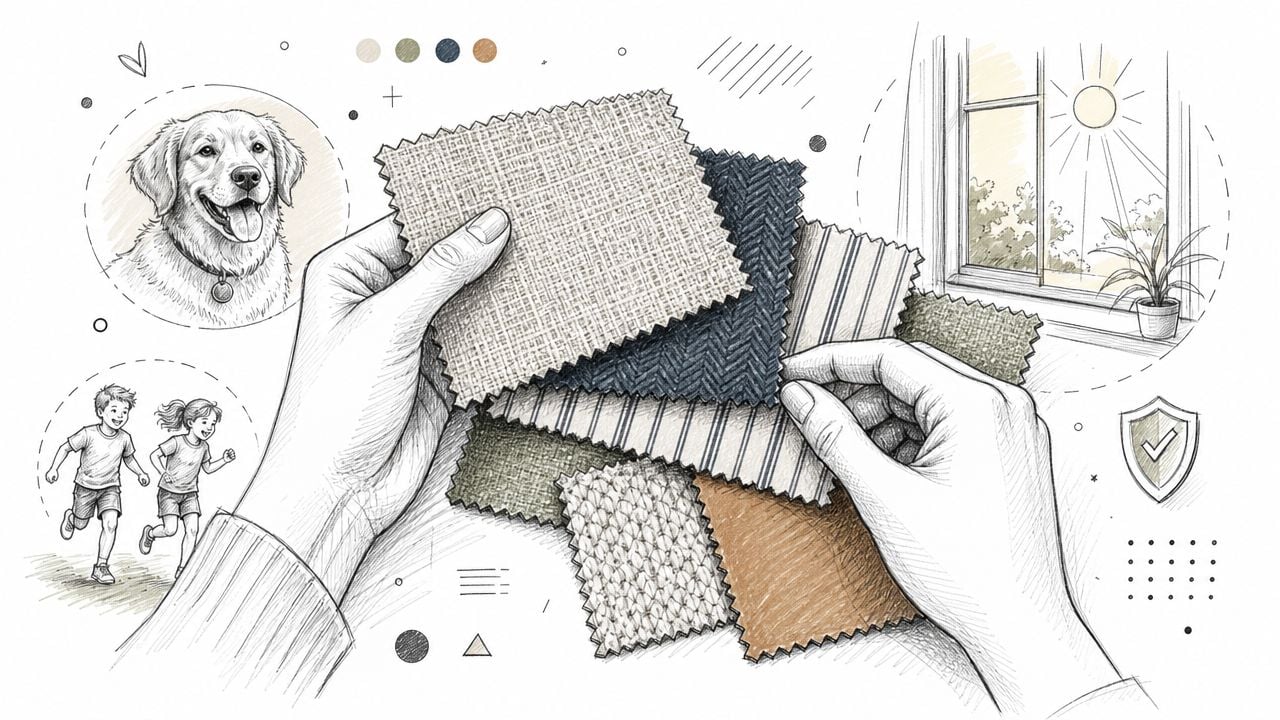
Start with daily life before you start with color. A fabric can be beautiful on a swatch and frustrating on a sofa if it does not suit the way the room is used. The better question is simple. What will still look inviting after years of real living in this space?
Miller Waldrop shares that practical approach in its guide on how to choose upholstery fabric, and it is the same advice we give families every day in Texas and New Mexico. Fabric selection works a lot like choosing flooring. You are not only choosing a look. You are choosing how a surface will live with footsteps, sunlight, spills, and cleanup.
For homes with kids and pets
Busy households usually do better with fabrics that forgive everyday life.
That often means a tighter weave, some visual texture, and a color that helps disguise the small signs of use that happen between cleanings. Claws can catch on open, nubby weaves. Sticky fingers and snack crumbs tend to show quickly on flat, solid fabrics with no variation. A fabric does not need to feel stiff or overly technical to perform well. It just needs to match the rhythm of the house.
A simple checklist helps:
- Choose texture with a little movement: Subtle variation can soften the look of lint, pet hair, and minor wear.
- Stay cautious with extreme light or dark solids: Cream can show smudges fast. Charcoal can highlight lint more than many shoppers expect.
- Ask for the cleaning routine: If the care instructions feel high-maintenance in the showroom, they will feel even harder at home.
- Pay attention to weave: Tighter constructions are often a safer pick for homes with active pets.
For bright rooms and everyday living
Sun changes the conversation. In many Texas and New Mexico homes, strong natural light is one of the room's best features, but it also puts fabric to work every single day.
A sofa placed near large windows needs more than a color you love under showroom lights. It needs a fabric that will continue to look balanced as the room gets bright afternoon exposure. Placement matters here. The same fabric may perform beautifully on a chair tucked deeper into the room and age faster on a piece that sits in direct light for hours.
This is also where texture earns its keep. In a bright room, flat fabrics can reveal every wrinkle and shadow. Textured weaves often look more relaxed and more forgiving throughout the day as the light shifts.
For formal spaces that still need to last
A formal room still benefits from practical choices. It calls for a different balance.
Many homeowners want something more polished in a dining room, sitting room, or guest space. That can mean a refined pattern, a softer hand, or a quieter color story. The key is being honest about how formal the room really is. If it hosts holiday gatherings, card nights, or overflow seating during every family visit, it is still a working room.
That is why I always encourage shoppers to match the fabric to the room's true behavior, not just its title. "Formal living room" sounds delicate. "The place where twelve people sit every Thanksgiving" gives you a much better fabric brief.
A practical way to narrow the options
If the wall of fabric swatches starts to blur together, use three filters in this order.
First, identify who uses the piece most. Adults only, children, guests, pets, or everybody. Next, define what the piece has to withstand, such as daily lounging, direct sun, or frequent spot cleaning. Last, choose the look and feel you want, whether that is crisp and structured, soft and casual, or warm and textured.
That order keeps style and performance working together. It also helps you avoid a common mistake. Shoppers sometimes fall in love with a fabric because it looks right for the room, then discover later that it asks for more care than the household can realistically give.
Custom upholstery gives you better tools than off-the-floor furniture because you can choose for the life you live. That is what makes the final piece feel right long after the excitement of the showroom fades.
The Custom Order Journey with Miller Waldrop
A family often walks into the showroom with one clear goal and a dozen fuzzy questions. They know the current sofa is too deep, the color shows every paw print, or the chairs looked better in the store than they do at home. What they need next is an order of operations that turns those frustrations into good decisions.
That process starts with clarity. Miller Waldrop shares the basic steps in this guide to getting started with a custom order, and it helps shoppers see how an idea becomes a finished piece that fits the room, the household, and the way the furniture will be used.
How the process typically unfolds
The first conversation is usually about the room itself. Measurements, photos, traffic flow, and who uses the piece every day matter more at this stage than the perfect swatch. A sofa for a quiet reading room and a sofa for a family room with kids, dogs, and movie nights may look similar on paper, but they need different priorities.
Once the room is clear, the furniture shape gets easier to choose. Scale works like tailoring in clothing. A beautiful silhouette still has to fit the body, and furniture has to fit both the room and the people using it. Seat depth, arm height, cushion style, and back support all affect whether a piece feels inviting for ten minutes or comfortable for years.
Fabric comes next for a reason.
Shoppers are often surprised by that, but it prevents a very common mistake. Falling in love with a fabric too early can steer the whole project off course. A fabric may be beautiful and still be the wrong partner for a loose-cushion sectional, a sunny window wall, or a household that needs easy cleanup after pets and everyday spills.
A typical custom order path includes:
- Room review with measurements, photos, and a clear discussion of how the piece will be used.
- Frame and comfort selection based on scale, support, cushion feel, and silhouette.
- Fabric selection narrowed by durability, texture, color, and care needs.
- Detail decisions such as finish, trim, configuration, and other custom choices.
- Order placement and delivery so the piece arrives with the right specifications and is placed correctly in the room.
Why this process works
Good custom ordering is less about adding complexity and more about removing guesswork. It works like building a house in the right sequence. You do not pick the kitchen hardware before confirming the floor plan. In the same way, custom upholstery tends to go more smoothly when comfort, scale, and use are settled before the final fabric is approved.
That sequence also helps answer practical questions buyers ask. Will this still look good if the dog claims one cushion as his spot? Will the color feel too heavy in August light? Will the texture catch lint, or hide it? Will this chair be easy for grandparents to get out of? Those are the questions that shape satisfaction long after delivery day.
Local guidance matters here because custom choices are easier to make when someone can help you compare them side by side. A swatch in your hand is one thing. Understanding how that fabric behaves on a full sofa, in your lighting, with your family's routine, is something else entirely.
That is the part of the journey many shoppers appreciate most. Custom upholstery stops feeling intimidating once the decisions are handled in the right order.
Understanding Pricing and Long-Term Value
A family will often sit on a custom sofa for ten years and only think about the price for the first few days. That is why this part of the decision matters so much. The goal is not just to choose a fabric you love in the showroom. It is to choose a piece that still makes sense after muddy paws, movie nights, holiday guests, and bright West Texas or New Mexico sun have had their turn.
What affects the final price
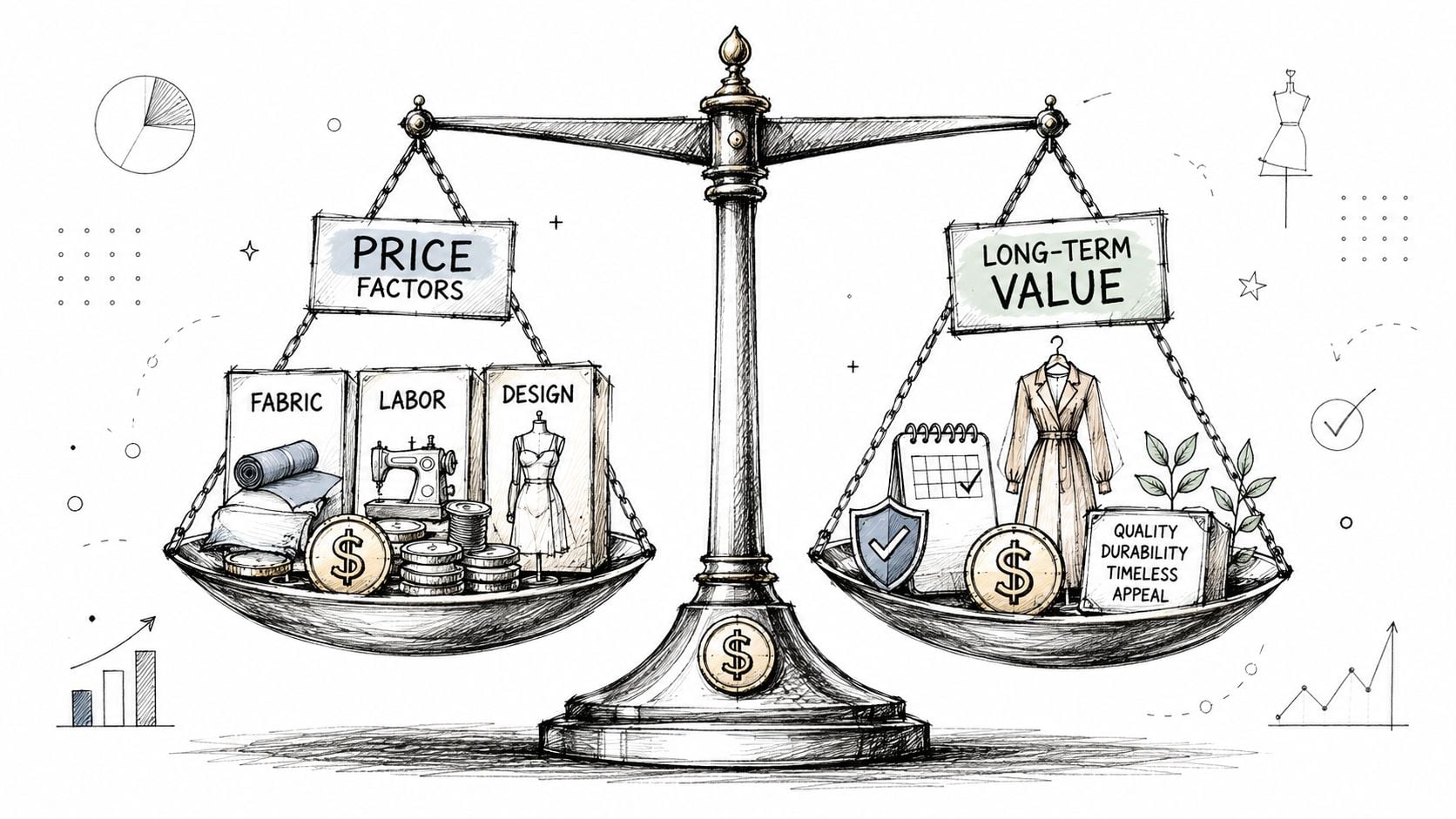
Custom upholstery pricing reflects more than the fabric sample in your hand. It includes the material itself, the amount of labor needed to shape and sew it well, and the level of detail required to make the finished piece look clean and precisely finished in a real room.
A few factors usually drive the total:
- Fabric grade: Price changes based on fiber content, weave, finish, and performance characteristics.
- Furniture size: A long sofa or sectional uses more fabric and takes more labor than a compact chair.
- Project scope: Recovering a piece costs less than rebuilding cushions, supports, or interior padding.
- Tailoring details: Welting, tufting, skirts, bench cushions, and other details add labor.
- Pattern work: Stripes, plaids, and large repeats require careful placement so the design lines up correctly across cushions, arms, and backs.
Pattern matching is a good example of where shoppers can miss the value in custom work. A patterned fabric cannot be cut as fast as possible and expected to look right. It has to be planned so the repeat falls in the right places and the finished piece looks balanced, not crooked or busy. That extra precision affects both fabric usage and labor time.
Why long-term value matters more than the opening price
Ready-made pricing is easy to compare because the number is right there on the tag. Long-term value takes a little more thought.
A lower initial price can still cost more over time if the fabric shows wear quickly, traps pet hair, fades in strong light, or feels wrong for how the piece is used. A custom piece usually earns its keep by solving several problems at once. It fits the room correctly. It supports the way your household lives. It uses a fabric chosen for your traffic level, cleanup habits, and comfort preferences.
That is the part many families appreciate a year later.
If a house has kids, pets, and daily lounging, the best value often comes from a fabric that forgives life a little. If the room is formal and lightly used, value may come from a richer texture or more refined pattern that would be impractical in a busy family room. The right choice depends on what the furniture has to do every day, not only on how it looks on day one.
Good custom upholstery solves style, comfort, and durability together. That combination is what people are really buying.
Your Custom Upholstery Questions Answered
A few practical questions tend to come up near the end of every custom conversation. Clear answers usually make the decision easier.
Can an existing piece be reupholstered
Sometimes, yes. The first question is whether the frame and overall structure are worth saving. A well-made chair, sofa, or heirloom piece can be a strong candidate if the bones are good and the owner still likes the scale and shape.
Can outside fabric be used
Sometimes, but it depends on the fabric and the project. The upholsterer or furniture specialist needs to know whether that material is suitable for upholstery use, whether it will perform well on the chosen frame, and whether the pattern or stretch creates fabrication issues.
How should new upholstery be maintained
Routine care should match the fabric's cleaning code and construction. That usually means prompt attention to spills, regular light vacuuming where appropriate, and avoiding assumptions based only on how the fabric feels. A soft fabric can still be durable, and a rugged-looking one can still require careful cleaning.
Other good questions to ask before ordering include:
- How will this fabric feel in daily use
- Will the color read warmer or cooler in the actual room
- Does the texture help hide wear, or highlight it
- Is this piece meant for formal sitting, everyday lounging, or both
Custom fabric upholstery works best when the shopper treats those questions as part of the design, not as afterthoughts.
For anyone ready to turn ideas into a piece that fits the room and the way the household lives, Miller Waldrop Furniture & Decor offers design guidance, custom order support, and curated furniture options for homes across West Texas and Southeastern New Mexico. A showroom visit or design conversation can help narrow fabric choices, compare silhouettes, and move a custom project forward with more clarity and less guesswork.